
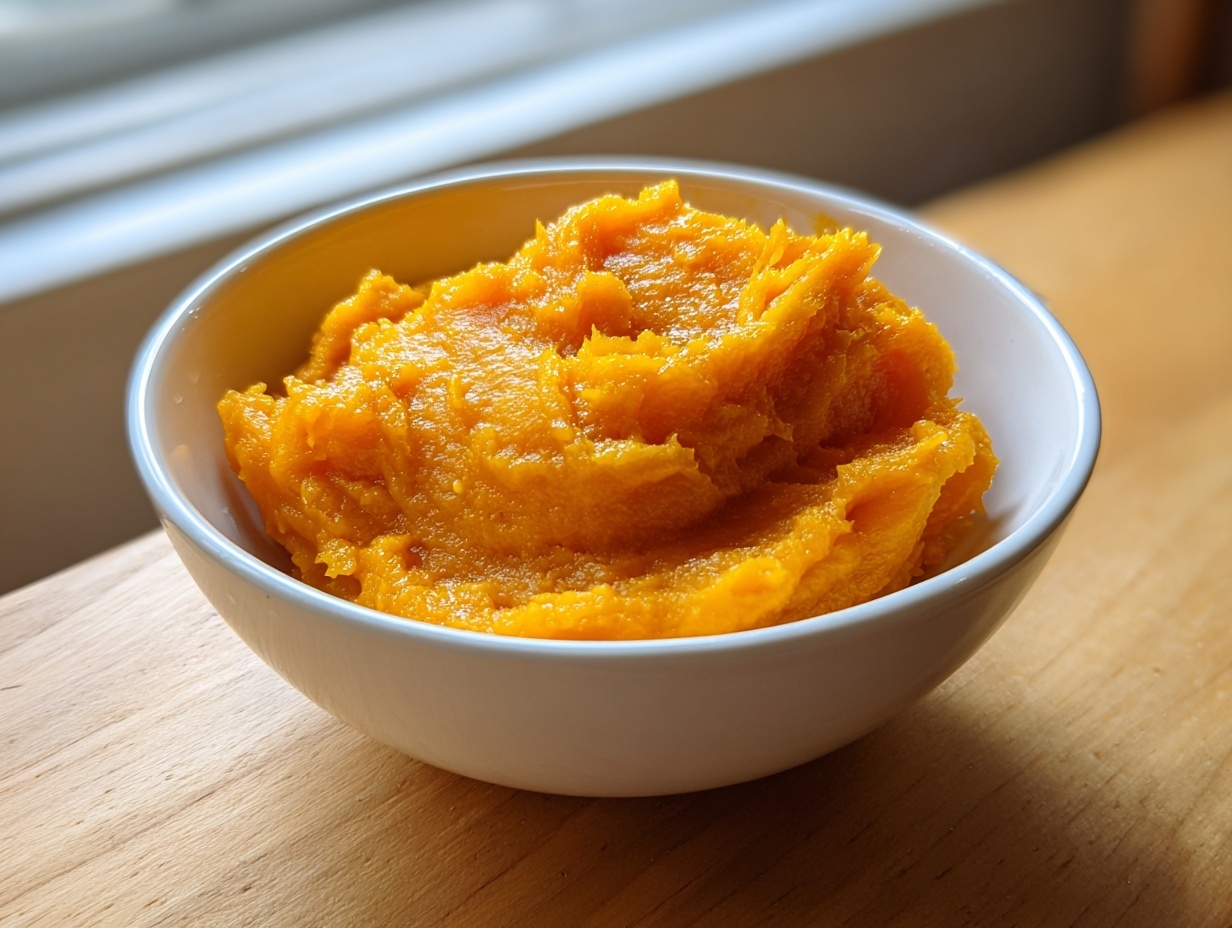

When I bake for the holidays, whether it’s setting a stunning table or crafting a perfect dessert, the quality of my ingredients tells the entire story. You can taste the difference immediately, which is why relying on the stuff in the can just feels like cutting corners on flavor. That’s why mastering how to make wonderful, thick, velvety homemade pumpkin puree from scratch is non-negotiable for me, especially when October rolls around. We rely on the roasting method here at Unfold Recipes because it naturally removes that excess water that plagues so many recipes. This technique gives us the secret to achieving that perfect, almost creamy base consistency needed for the most elegant fall pies and breads.
For me, the vibrancy of fresh ingredients is what elevates a simple dish into a cherished memory. If you’re ready to share your own culinary story this season, start here with this simple, essential base recipe. I share more about my food philosophy over on my About page, but trust me, this base ingredient sets the stage for everything delicious!
- Why Homemade Pumpkin Puree is Superior for Fall Baking Staples
- The Roasting Method: Our Secret for Thick Pumpkin Puree for Baking
- Step-by-Step How to Make Pumpkin Puree from Scratch
- Understanding Canned vs Homemade Pumpkin Puree Yields
- Pumpkin Puree Storage and Freezing Instructions
- Versatile Pumpkin Puree Uses Beyond Pie
- Frequently Asked Questions About Making Pumpkin Puree
- Tips for Success with Your Pumpkin Puree from Scratch
- Sharing Your Simple Pumpkin Base Recipe Creations
Why Homemade Pumpkin Puree is Superior for Fall Baking Staples
Honestly, canned pumpkin puree can be a gamble. Sometimes it works beautifully, but all too often, I find it introduces too much water into my delicate recipes. This is the number one way to get a soupy pie filling or a dense, gummy loaf of bread, and that just won’t do if you’re trying to build a beautiful fall centerpiece!
When you make pumpkin puree from scratch using my roasting method, you take complete control over the final texture. We are driving out that extra moisture by applying heat directly, creating a base perfect for everything from silky smooth soup to that sturdy, rich texture we need for things like my amazing Pumpkin Bread Pudding.
Using fresh pumpkins isn’t just about bragging rights; it’s a flavor investment. Roasting deepens the sweetness and brings out earthy notes you just can’t duplicate from a can. It truly elevates the final result.
Choosing the Best Pumpkins for Puree
If you’re aiming for that perfect, thick result, please skip the giant carving pumpkins you find at the roadside stands. Those things are mostly water and stringy pulp—perfect for spooky faces, terrible for baking!
You absolutely must hunt down sugar pumpkins, sometimes labeled as pie pumpkins. They are smaller, denser, and just naturally contain less liquid. That focus on variety ensures your resulting pumpkin puree has the superior texture needed for all your autumn endeavors.
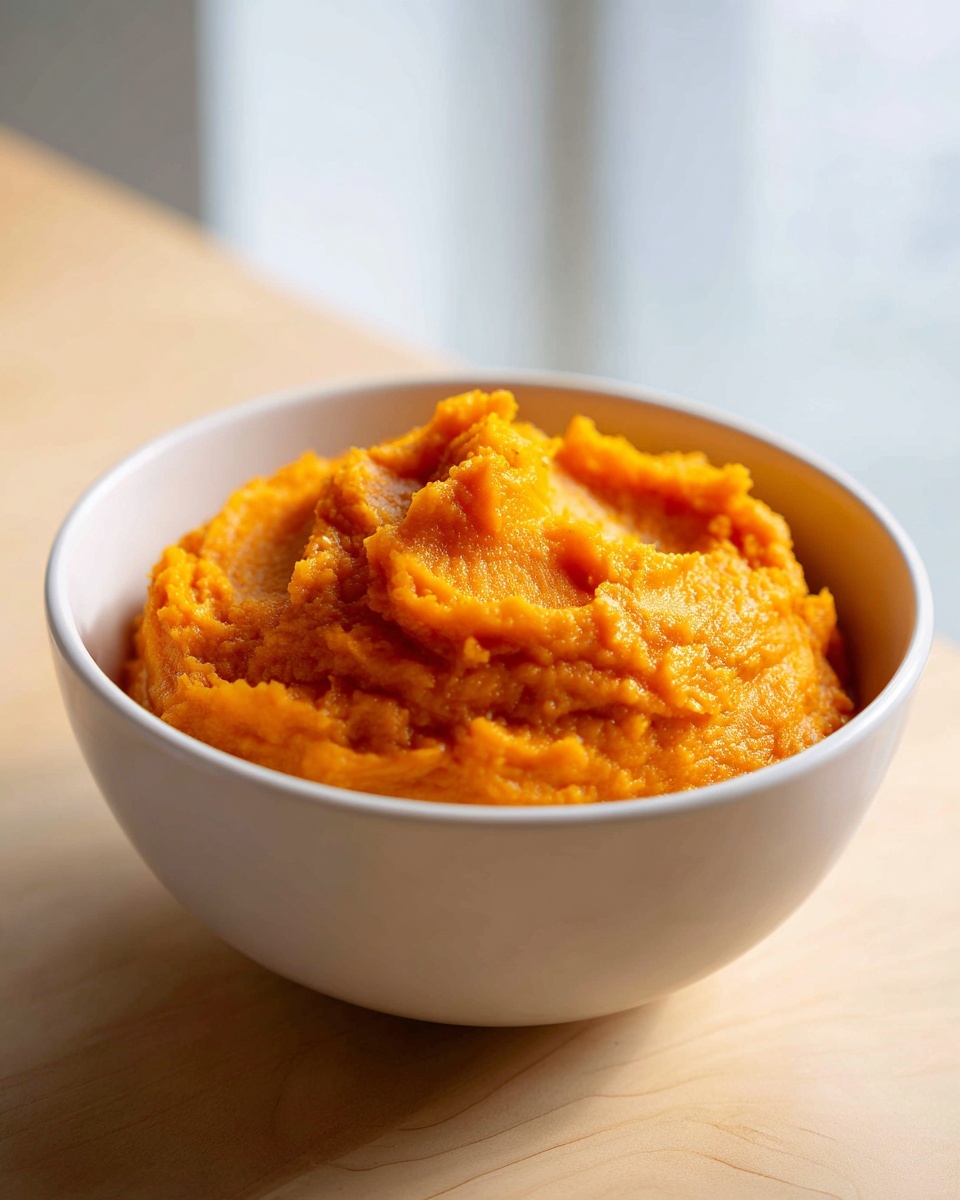
The Roasting Method: Our Secret for Thick Pumpkin Puree for Baking
So, we’ve established that watery results are the enemy of great fall baking, right? This is why I insist you choose the roasting method over steaming or boiling when making your pumpkin puree from scratch. Steaming just dumps water into the pumpkin flesh, which we then have to spend extra time removing later. It’s inefficient, and frankly, it dulls the flavor.
Roasting is where the magic happens. By putting the pumpkin flesh near dry, high heat—we’re talking 400°F—we are actively driving out that extra moisture through the skin, and it concentrates the natural sugars. This natural evaporation process is what locks in that deep, caramelized flavor that makes your final pie taste like pure autumn heaven. It’s a small step that prevents a future watery catastrophe, promising you that beautiful, thick result every single time. Don’t forget, we want a No Watery Pumpkin Puree! This method creates the perfect base for everything from silky smooth soup to that sturdy, rich texture we need for things like my wonderful Pumpkin Coffee Cake.
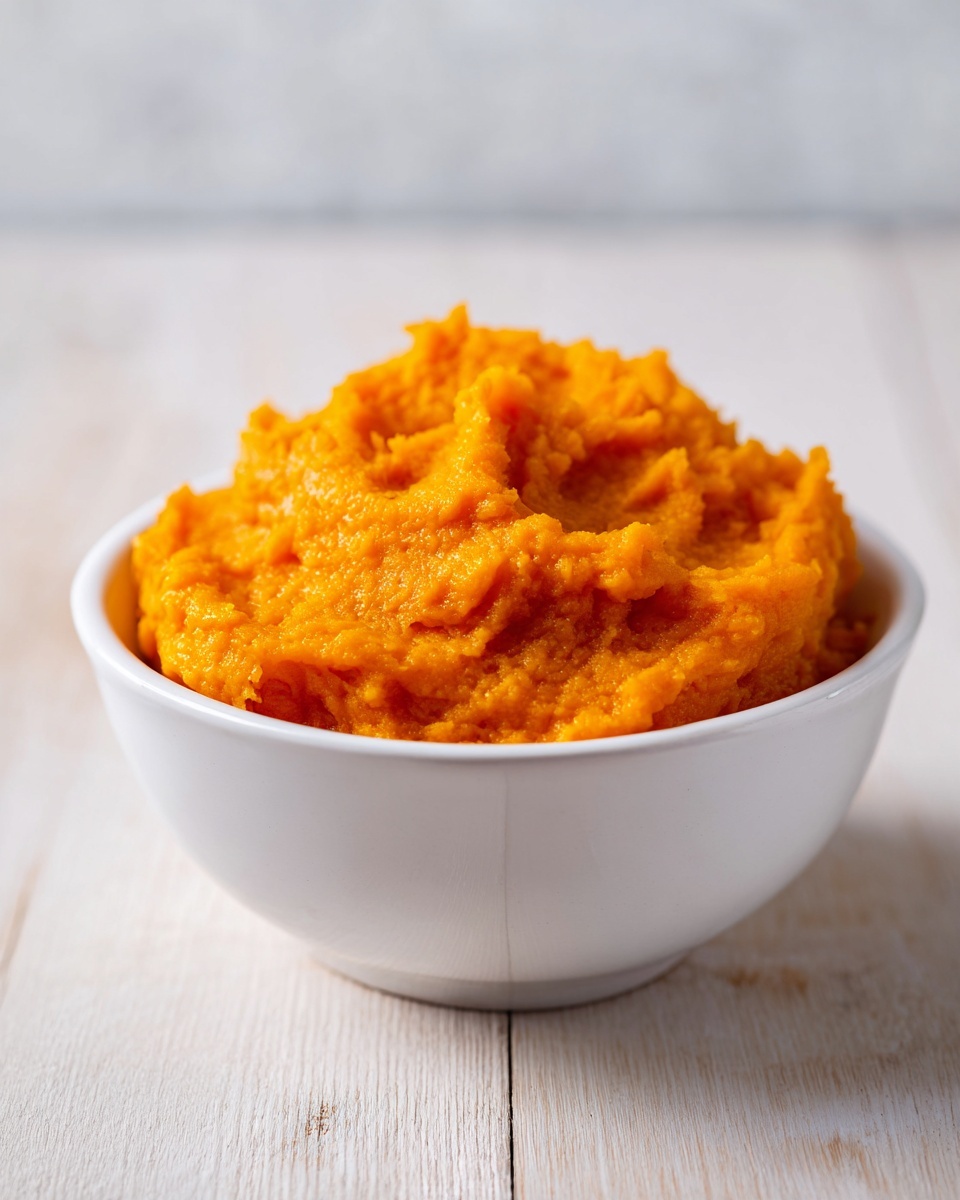
Catherine’s Pro Tip: When you pierce the flesh after roasting, it should feel unbelievably tender, almost like soft butter. If you meet any resistance, just give it ten more minutes. Patience here prevents tough bits in your final blend! I actually saw a fantastic tip about achieving this exact texture using the Concentration Roast Method over at CookiGuide, which really reinforces why dry heat is the way to go.
This is truly a Simple Pumpkin Base Recipe because we want the pumpkin flavor to shine. For this, you only need one thing to start off your batch.
Gathering Ingredients for Your Single Ingredient Pumpkin Puree
See how elegant simplicity can be? Since we are focusing on creating the pure, roasted essence of pumpkin, we keep this list incredibly short. My technique relies on the quality of the vegetable itself, not masking it with spices or sweeteners at this stage.
- 1 medium sugar pumpkin (this usually weighs about 3 pounds when you bring it home)
That’s truly it for our Single Ingredient Pumpkin Puree! Everything you need to start your journey toward the best homemade pumpkin puree is right there on the counter.
Step-by-Step How to Make Pumpkin Puree from Scratch
Okay, now that we have our perfect sugar pumpkin, it’s time to get this wonderful base for your **Homemade Pumpkin Puree Recipe** started. Remember, this whole process is about gentle technique to bring out the best flavor and avoid that dreaded runny texture. We’re moving meticulously but quickly so we can get to the baking part!
We want that rich, deeply flavored flesh that blends into a perfect, velvety smooth pumpkin puree. Don’t rush the roasting—that’s where the flavor concentration really happens. We use the provided instructions as a guide, but always listen to your pumpkin!
Preparing and Roasting the Pumpkin
Grab your baking sheet and line it with parchment paper—this saves cleanup later, which I really appreciate after a long day. First, preheat your oven up to 400°F (200°C). Now, take your pumpkin and carefully slice it right down the middle, stem to base. Be sturdy with your knife here—it takes a little commitment!
Next, use a big spoon to scoop out all those seeds and stringy bits. Toss those out (or save the seeds for a separate snack!). Place the pumpkin halves cut-side down on your baking sheet. This orientation is important because it allows the heat to gently steam the inside while roasting the outer skin. Pop this into the oven for about 45 to 60 minutes. You’ll know it’s ready when that skin is flimsy and a fork slides right into the flesh easily.
Blending to Achieve Velvety Smooth Pumpkin Puree
Once it’s cool enough to handle without burning yourself—and please, let it cool!—it’s time to separate the flesh from the skin. Scoop all that beautiful, soft orange material into your food processor or a high-powered blender. Say goodbye to that tough outer skin!
Now blend. You need to trust the machine on this one. Process it slowly at first, then bump up the speed. You’ll want to stop and scrape down the sides at least twice. We are aiming for absolutely zero lumps here to get that truly velvety smooth pumpkin puree that makes recipes sing. Keep blending until it looks glossy.
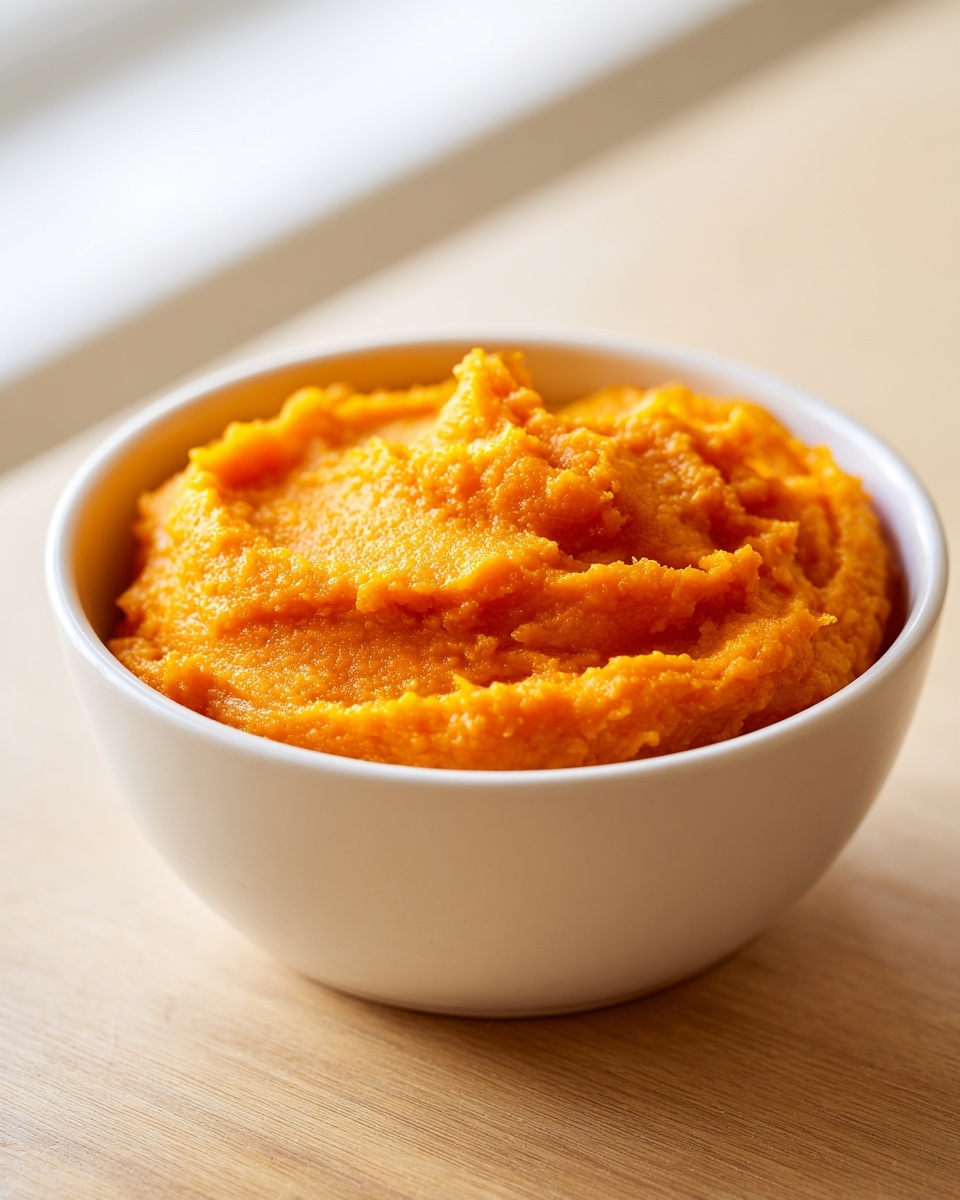
Optional Step: Concentrating for the Thickest Pumpkin Puree for Baking
If you are making this specifically for something delicate like a pie—honestly, my favorite use for this Pumpkin Puree from Scratch—you’ll want this extra step. This is my Concentration Roast Method in practice! If you are planning to make my famous Pumpkin Roll Cake, this thickness is paramount.
Take a fine-mesh sieve, line it with a layer of cheesecloth, and set it over a bowl. Spoon your blended puree into the cloth. Let gravity do the work; let it drain for 30 minutes, maybe even an hour if you have time. Gently press the top just once or twice to help release any extra milky liquid. This little secret ensures you’ve got the absolute Thickest Pumpkin Puree for Baking possible.
Understanding Canned vs Homemade Pumpkin Puree Yields
This is such an important question, and one I get asked all the time when people are ready to switch from store-bought to homemade. You look at a regular can of pumpkin, and it seems so simple, but when dealing with fresh sugar pumpkins, the yield changes based on the pumpkin’s water content, even with our roasting technique.
Don’t stress about needing to find a complicated formula, though. I’ve done the math for you! Generally, if you start with a good, medium-sized 3-pound sugar pumpkin, you should expect to end up with right around 2 cups of that glorious, thick **pumpkin puree**. That’s usually just shy of two standard 15-ounce cans, so keep that in mind when you’re substituting this fresh version into your favorite recipes. For instance, if your recipe calls for two cans, you might need just a hair more than what one large pumpkin gives you.
This difference is worth the effort, though, especially when you’re making something spectacular like my very favorite Pumpkin Cheesecake. You want that solid base!
Pumpkin Puree Storage and Freezing Instructions
You’ve poured so much love into creating this perfect, **Thick Pumpkin Puree for Baking**, and you certainly don’t want anything to spoil that effort! Since this is truly a Single Ingredient Pumpkin Puree base with no preservatives, keeping it fresh is straightforward, but you need to be mindful of time.
If you’re planning to use your fresh batch soon, say for a week’s worth of baking projects or perhaps whipping up my easy Pumpkin Dump Cake, keep it covered tightly in the refrigerator. I find that small, glass airtight containers work best—they don’t hold odors, and you can see exactly how much you have left!
But if you’re like me and want to capture that fresh fall flavor to use in February, freezing is your best friend. I always make a huge batch whenever I have the time, portion it out, and freeze it flat in zip-top bags—this makes stacking them in the freezer so much easier!
When properly stored in a durable, airtight container, your fresh pumpkin puree is good in the freezer for up to six months. That gives you plenty of time to enjoy that superior homemade flavor long after the leaves have fallen!
Versatile Pumpkin Puree Uses Beyond Pie
While a perfect pumpkin pie is certainly a reason to go through the trouble of making your own **pumpkin puree**, I truly believe the best ingredients are the ones you can use everywhere! Once you have this rich, naturally sweet base, you’ll realize it’s not just for dessert.
This **pumpkin puree** opens up an entirely new world of **Fall Baking Staples** and savory meals. I often make a big double batch just so I can use it throughout the week. It lends incredible body and color to baked goods.
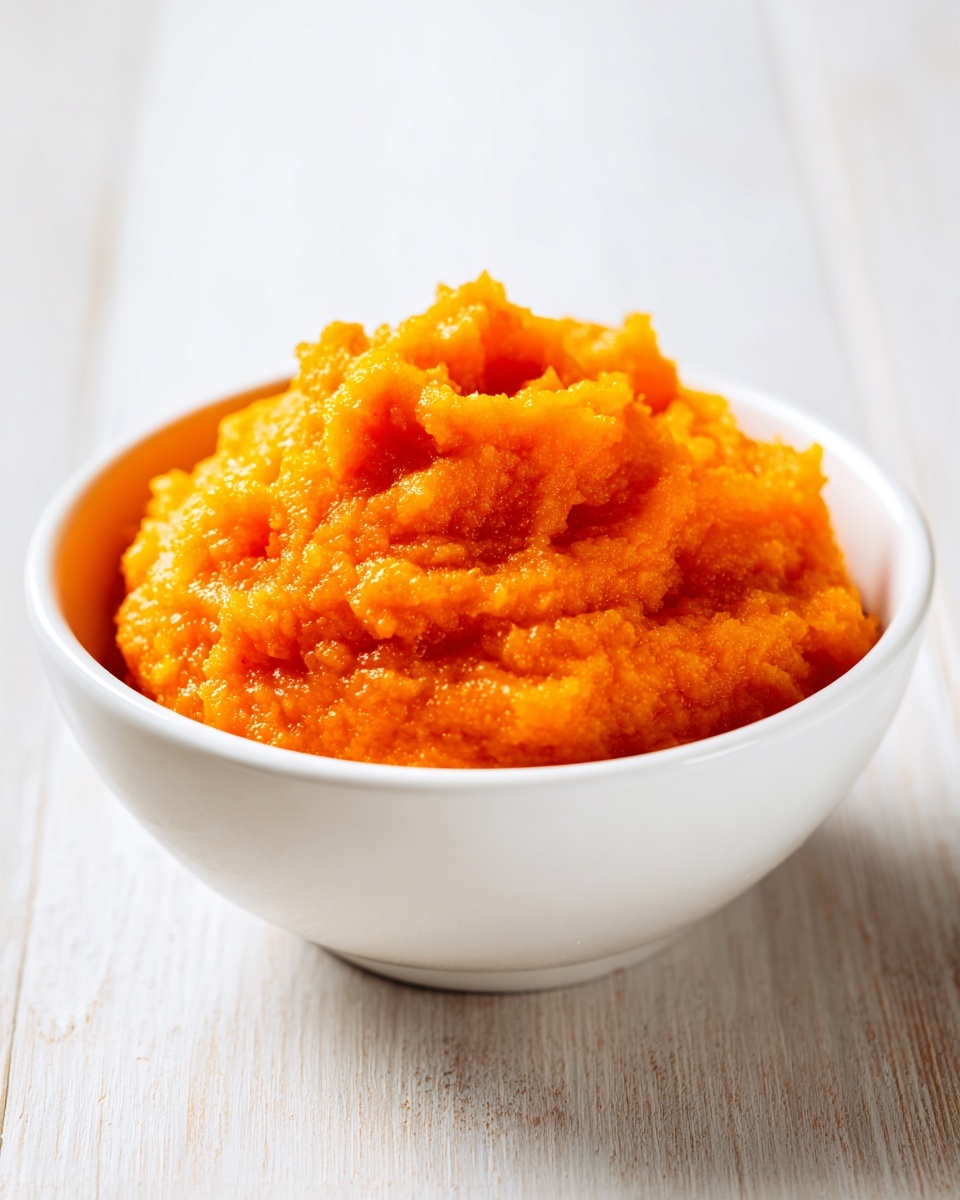
For instance, it is the essential ingredient in my famously moist Pumpkin Bread recipe, which is a weeknight staple at my house! But don’t stop there. Think about stirring a dollop into your morning smoothie for an extra dose of vitamins, adding it to pancake batter, or even whisking it into a creamy **Pumpkin Soup Base** for a comforting dinner. The applications are endless when you have such a high-quality, single-ingredient base ready to go!
Frequently Asked Questions About Making Pumpkin Puree
I’m happy to clear up any little doubts you might have! When you move away from store-bought items, you naturally generate more questions, and that’s wonderful. It means you’re getting invested in the process, which is exactly what I love to see here at Unfold Recipes. Here are the things I hear most often when readers try this Homemade Pumpkin Puree Recipe for the first time. If you want even more general kitchen wisdom, don’t forget to check out my main Blog!
Can I use this pumpkin puree for baby food?
Absolutely, yes! This is one of the biggest benefits of making your pumpkin puree from scratch. Because our recipe is truly a Single Ingredient Pumpkin Puree base—we just use pumpkin—it’s inherently clean and perfect for little ones. Just make sure that during the optional draining or concentration step, you don’t add any salt, sugar, or spices. Once it’s blended and cooled, it’s ready to share with your youngest family members!
What is the difference between roasting and steaming for pumpkin puree?
It all comes down to moisture control, darling! If you steam your pumpkin, it absorbs ambient water while cooking, meaning you end up with a wetter base that needs far more draining later. Roasting, on the other hand, uses dry heat, which actively pulls the excess moisture out of the flesh while intensifying the natural flavor. For baking—especially pies—roasting gives you that glorious, dense texture while steaming usually leads to a runnier pumpkin puree that can thin out your batter.
How long does homemade Homemade Pumpkin Puree Recipe last in the fridge?
Because we aren’t adding any preservatives, we have to be a bit more careful with fresh ingredients. If you’ve made a beautiful batch of this pumpkin puree and decided not to freeze it right away, remember this simple benchmark: it will last beautifully in an airtight container in the refrigerator for about one week. If you know you won’t use it within seven days, please move it to the freezer so you can enjoy it later!
Tips for Success with Your Pumpkin Puree from Scratch
Making a great pumpkin puree from scratch is all about knowing those little tricks that separate the good from the truly exceptional. I want your batch to shine, whether you’re using it in a savory Fall Harvest Salad or a classic holiday dessert. These four things are what I always remember when I’m processing a new batch.
First, when you’re slicing that tough sugar pumpkin in half, use a really sharp, sturdy knife and take your time. I know the skin seems impenetrable, but a sharp knife is safer than a dull one that might slip later. Commit to that cut!
Next, please, please let the pumpkin flesh cool down before it ever touches your blender or food processor. If you try to blend hot material, it creates steam inside the closed container, which messes with the texture you worked so hard to perfect during the roast. A slightly warm blend is fine, but piping hot will add back moisture!
Speaking of blending, if you are looking for that truly velvety smooth pumpkin puree I keep talking about, invest in the best blender you can handle. A high-powered machine handles the dense fibers so much better than a standard one. You might have to stop and scrape down the sides three or four times, but persevere until it looks like silk.
Finally, I always recommend measuring right after you blend, before the optional draining step. Knowing exactly how much you have ensures you can accurately substitute it into any recipe that calls for canned puree. Happy blending!
Sharing Your Simple Pumpkin Base Recipe Creations
And there you have it! We’ve gone from rough pumpkin to that beautiful, thick, velvety smooth pumpkin puree that will elevate every single thing you bake this season. This Simple Pumpkin Base Recipe really is the cornerstone of great fall cooking, and I hope you feel incredibly proud of the pure, fresh flavor you’ve managed to capture.
Now comes my favorite part: seeing what you create! The story of a recipe doesn’t end when I post it; it truly unfolds when it lands in your own kitchen. Were you successful in getting that very thick puree for your pie crust? Did you add a dash of cinnamon while blending, or did you keep it perfectly pure?
I would absolutely love it if you came back and left me a star rating right here on the recipe card—it helps me know these techniques are working for all of you wonderful home cooks. And please, if you used your fresh **pumpkin puree** in anything spectacular—a loaf, a savory soup, or maybe even something entirely new—snap a photo and tag me! You can always reach out directly through my Contact page if you have follow-up questions. Happy baking, darling!
PrintThe Ultimate Guide: How to Make Thick, Velvety Homemade Pumpkin Puree from Scratch (Roasting Method Featured)
Learn how to make thick, velvety homemade pumpkin puree from scratch using fresh sugar pumpkins. This roasting method eliminates excess water, giving you the perfect base for your fall baking needs.
- Prep Time: 15 min
- Cook Time: 60 min
- Total Time: 75 min
- Yield: 2 cups 1x
- Category: Baking Base
- Method: Roasting
- Cuisine: American
- Diet: Vegan
Ingredients
- 1 medium sugar pumpkin (about 3 pounds)
Instructions
- Preheat your oven to 400°F (200°C). Line a baking sheet with parchment paper.
- Wash the pumpkin thoroughly. Carefully cut the pumpkin in half lengthwise from stem to base.
- Use a spoon to scoop out the seeds and stringy pulp from both halves. Discard the seeds or reserve them for roasting separately.
- Place the pumpkin halves cut-side down on the prepared baking sheet.
- Roast for 45 to 60 minutes, or until the skin is easily pierced with a fork and the flesh is very tender. The roasting process concentrates the flavor and reduces water content, creating a thicker puree.
- Remove the pumpkin from the oven and let it cool until you can safely handle it.
- Scoop the soft pumpkin flesh away from the skin into a food processor or high-powered blender. Discard the skin.
- Process the flesh until it is completely smooth and velvety. This may take several minutes. Stop and scrape down the sides as needed.
- If you desire an even thicker puree for pie, you can place the finished puree into a fine-mesh sieve lined with cheesecloth over a bowl. Allow it to drain for 30 minutes to an hour, pressing gently to release any remaining liquid.
- Measure the resulting puree. Store it in an airtight container in the refrigerator for up to one week or freeze it for up to six months.
Notes
- For the best results in pies and breads, use sugar pumpkins (also called pie pumpkins) rather than large carving pumpkins, as they have less water content.
- If you prefer steaming, cut the pumpkin into chunks, steam until tender, and then blend. Be aware that steaming often results in a higher moisture content than roasting.
- One 3-pound sugar pumpkin yields approximately 1.5 to 2 cups of thick pumpkin puree.
Nutrition
- Serving Size: 1/2 cup
- Calories: 100
- Sugar: 4
- Sodium: 10
- Fat: 0
- Saturated Fat: 0
- Unsaturated Fat: 0
- Trans Fat: 0
- Carbohydrates: 25
- Fiber: 7
- Protein: 2
- Cholesterol: 0