
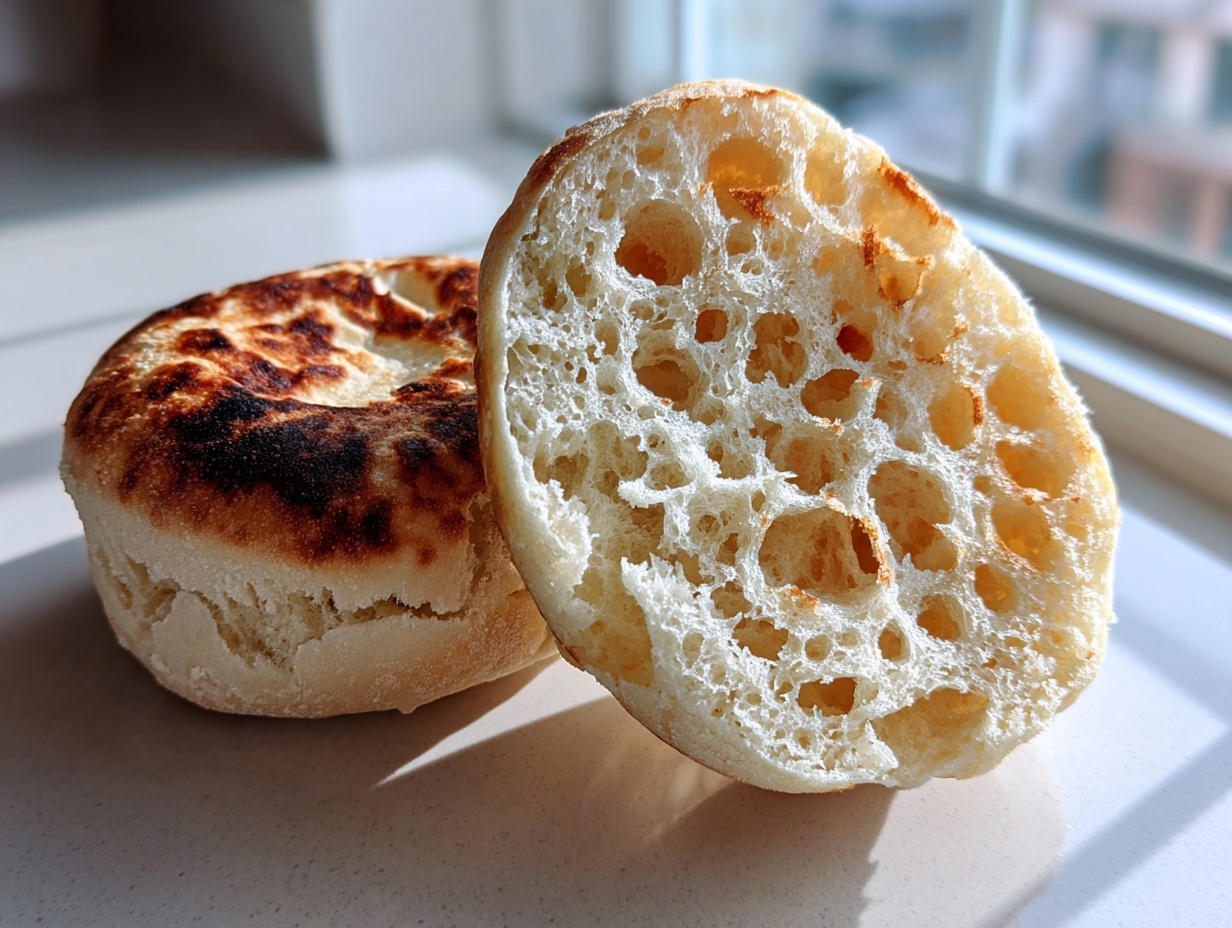

The quest for the perfect breakfast bread, that specific combination of soft chewiness and that wildly desirable interior—you know, the one riddled with nooks and crannies—can feel endless. Many recipes promise perfection but deliver flat, dense disks instead. Well, I’m Catherine Valdès, and I’ve poured my commitment to approachable elegance into this recipe designed specifically for you. Forget complicated techniques; these sourdough English muffins are the answer. They use the magic of your own starter, whether it’s active or just discard, to give you that authentic texture and that wonderful, subtle tang we all adore. We’re going to make breakfast extraordinary!
- Why This Recipe Creates the Best Sourdough English Muffins
- Gathering Your Ingredients for Fluffy Homemade Sourdough English Muffins
- Step-by-Step Instructions for Perfect Sourdough English Muffins
- Tips for Achieving Ultimate Nooks and Crannies in Sourdough English Muffins
- Serving Suggestions for Tangy Breakfast Bread
- Storage and Freezing Instructions for Homemade Sourdough English Muffins
- Frequently Asked Questions About Sourdough English Muffins
- Nutritional Estimates for Sourdough English Muffins
- Share Your Sourdough English Muffins Creations
Why This Recipe Creates the Best Sourdough English Muffins
What makes these the best, truly? It all comes down to texture, darling. So many recipes out there rely too much on commercial yeast just to get height, but we want that authentic, chewy crumb riddled with those beautiful little roads and pockets—the famous nooks and crannies. Since we’re using sourdough, we actually achieve that perfect structure without adding any extra yeast at all. This recipe feels wonderfully simple, even for those of you just dipping your toes into easy sourdough baking for beginners.
I truly find that when you cook them slowly on the griddle, the sourdough fermentation does all the heavy lifting, resulting in far superior sourdough English muffins compared to anything quick made with fast-acting yeast. It’s the slow process that builds the depth of flavor and that classic tangy profile.
The Role of Sourdough Starter or Discard in Sourdough English Muffins
Whether you use your active starter or just the discard, the real benefit lies in that long, slow life the dough gets to live. The wild yeasts and bacteria in your starter are what create those air pockets during the rest period. This fermentation process naturally breaks down some starches, leading to that lovely, slightly tangy breakfast bread flavor profile you can’t get any other way. It’s a perfect solution for those wonderful sourdough discard baking ideas!
Gathering Your Ingredients for Fluffy Homemade Sourdough English Muffins
Okay, let’s look at what you need! The beauty of these sourdough English muffins is that they use simple pantry staples, plus that active culture or discard you already have bubbling away. We’re using just one cup of that sourdough goodness, which keeps the process light and manageable. I promise you won’t need any commercial yeast here! We are aiming for a super soft dough that the sourdough naturally loosens up.
Ingredient Notes and Substitutions for Sourdough English Muffins
For the flour, I always stick to standard all-purpose flour because it gives that wonderful structure we need for the griddle. Please don’t try to substitute with bread flour unless you really know what you’re doing, as it can make these too tough instead of wonderfully soft. For the sweetener, I usually reach for honey because I feel it adds a deeper warmth that complements the slight tang, but maple syrup works just beautifully too if that’s what you have on hand. Remember, active starter or discard—it works either way!
Step-by-Step Instructions for Perfect Sourdough English Muffins
Now that we have our ingredients ready, let’s get to the fun part. Making these sourdough English muffins is honestly more about waiting than active kneading, which is just heaven for a busy cook like me. The goal here is to gently combine everything so we don’t work out too much gluten. Too much kneading equals tough muffins, and we absolutely want them soft and chewy!
Mixing the Dough and Fermentation Options
Start by whisking together your starter, warm milk, sweetener, and melted butter in a big bowl. Then we add the dry stuff—salt and baking soda—and finally, slowly mix in the flour until you just have a shaggy, moist dough. I mean it when I say—do not overmix! Just mix until you can’t see any dry flour bits!
This next step is where you choose your adventure. For a faster result, cover the bowl and let it rest on the counter for about 1 to 2 hours. If you’re planning ahead, this is perfect for an overnight sourdough recipe! Just pop it in the fridge for up to 12 hours. The longer, cooler rest deepens that tangy flavor beautifully.
Cooking Your Sourdough English Muffins on the Griddle
Once your dough has rested, instead of aggressive kneading, you just gently fold it a few times on a lightly floured surface until it looks cohesive. Then, use your 3-inch cutter to stamp out the rounds. Don’t worry about the scraps; you can gently press them together once. Now, dust your parchment-lined baking sheets heavily with cornmeal or semolina—that’s the secret to that slightly rustic, perfectly textured exterior on your sourdough English muffins!
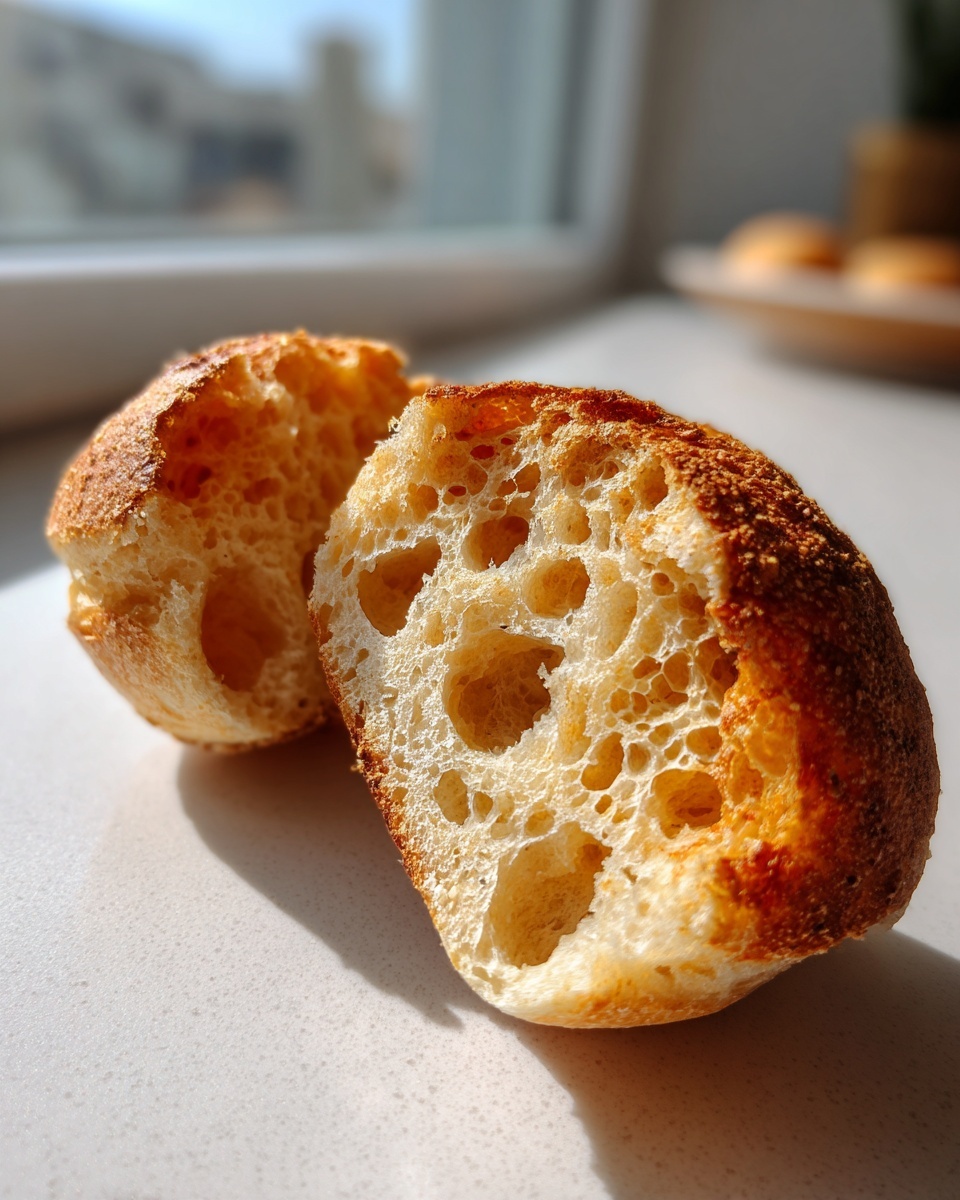
Heat up your cast-iron griddle over medium-low heat. This is vital, friends! If it’s too hot, the outside burns before the inside develops those beautiful nooks and crannies recipe structures. Cook them slowly, about 6 to 8 minutes per side, until they are deep golden brown. They will puff up slightly. When they cool completely, that’s when we reveal the treasures inside!
Tips for Achieving Ultimate Nooks and Crannies in Sourdough English Muffins
If the sight of those deep, open pockets is your ultimate goal—and I know it is—I have two tried-and-true pieces of advice that you simply must follow for your sourdough English muffins.
First thing: once the rounds have rested and you’ve cut them, resist the urge to play with them anymore! Over-handling the dough after the fermentation period knocks all the delicate gas bubbles out right before they hit the heat. We want those pockets intact!
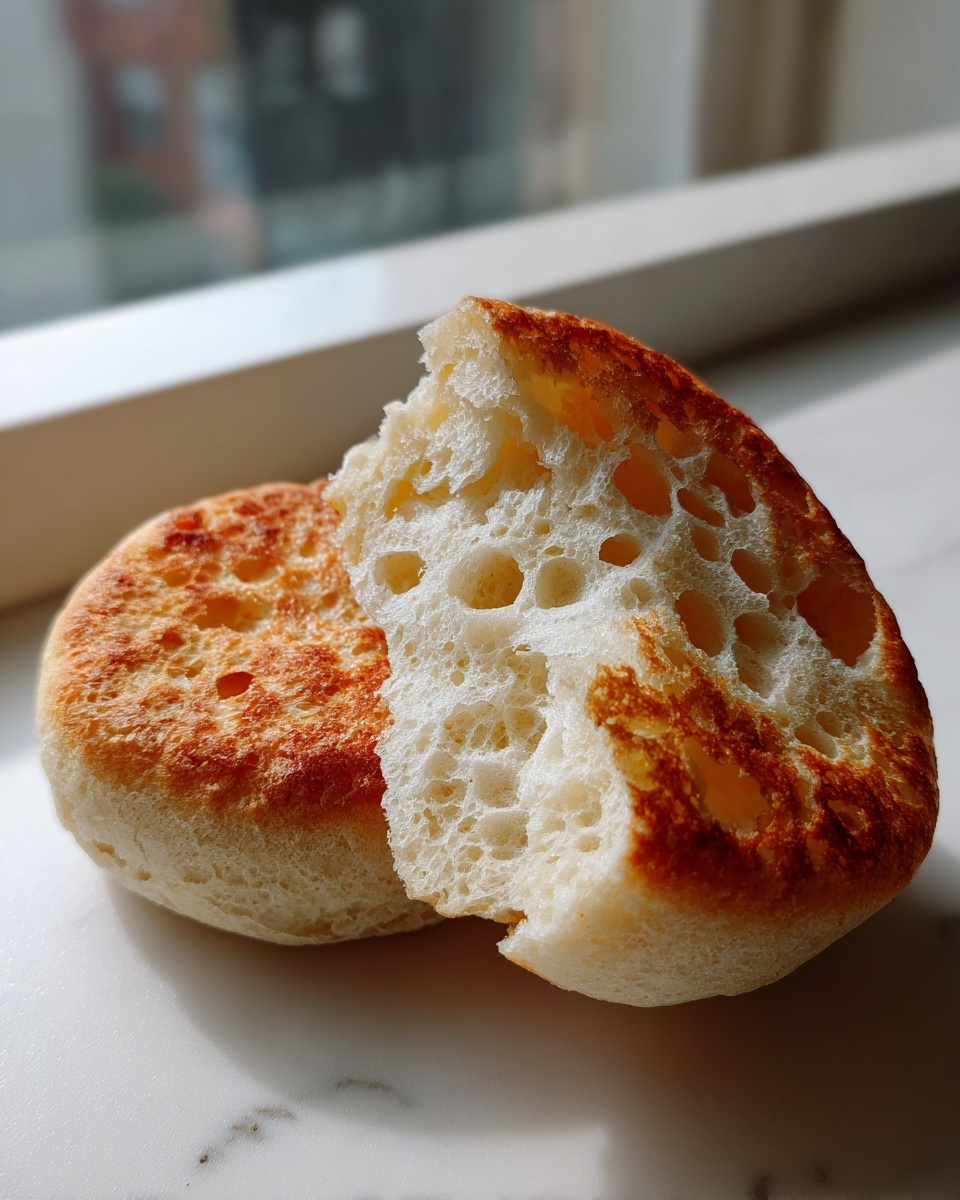
Second, and this is the tip people always forget: never use a knife to split them open after they cool. A knife compresses the air pockets instantly, sealing those precious nooks! You must use a clean dinner fork to gently pry them apart vertically. This preserves the entire airy structure created inside. Trust me, breaking them open with a fork is the moment of truth for perfect sourdough English muffins.
Serving Suggestions for Tangy Breakfast Bread
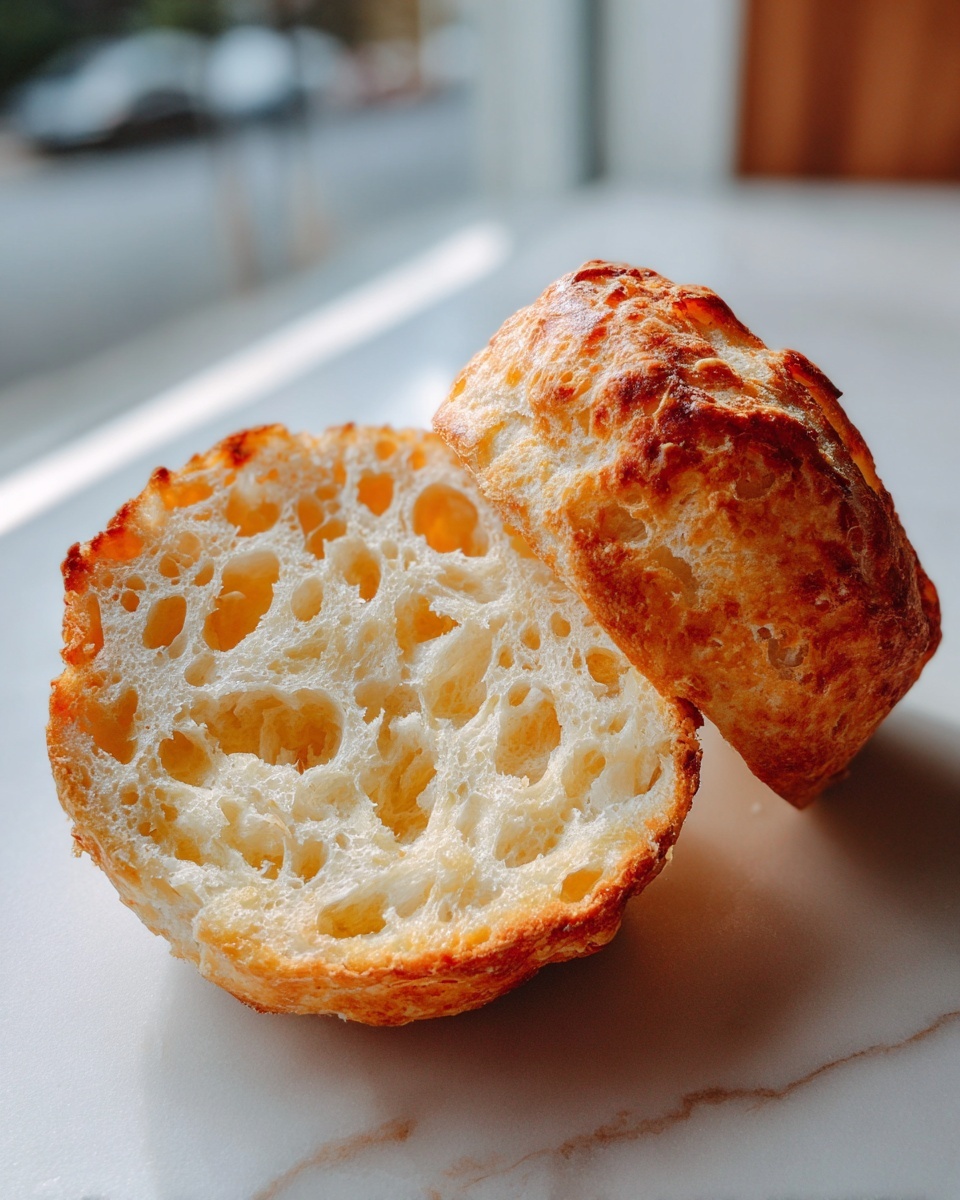
Now that you have these glorious, chewy rounds, the real fun—the eating—can begin! Because these sourdough English muffins have that lovely, subtle sourdough tang, they are incredibly versatile. Sure, you can toast them until they are crispy and slather them with good quality butter and fruit preserves, letting that texture shine through. But I really love savory applications.
They are absolutely perfect for building the ultimate breakfast sandwich. Imagine stacking high a slice of sharp cheddar, a perfectly fried egg, and maybe some smoky bacon right in between those craggy halves. That combination really lets the tangy flavor sing!
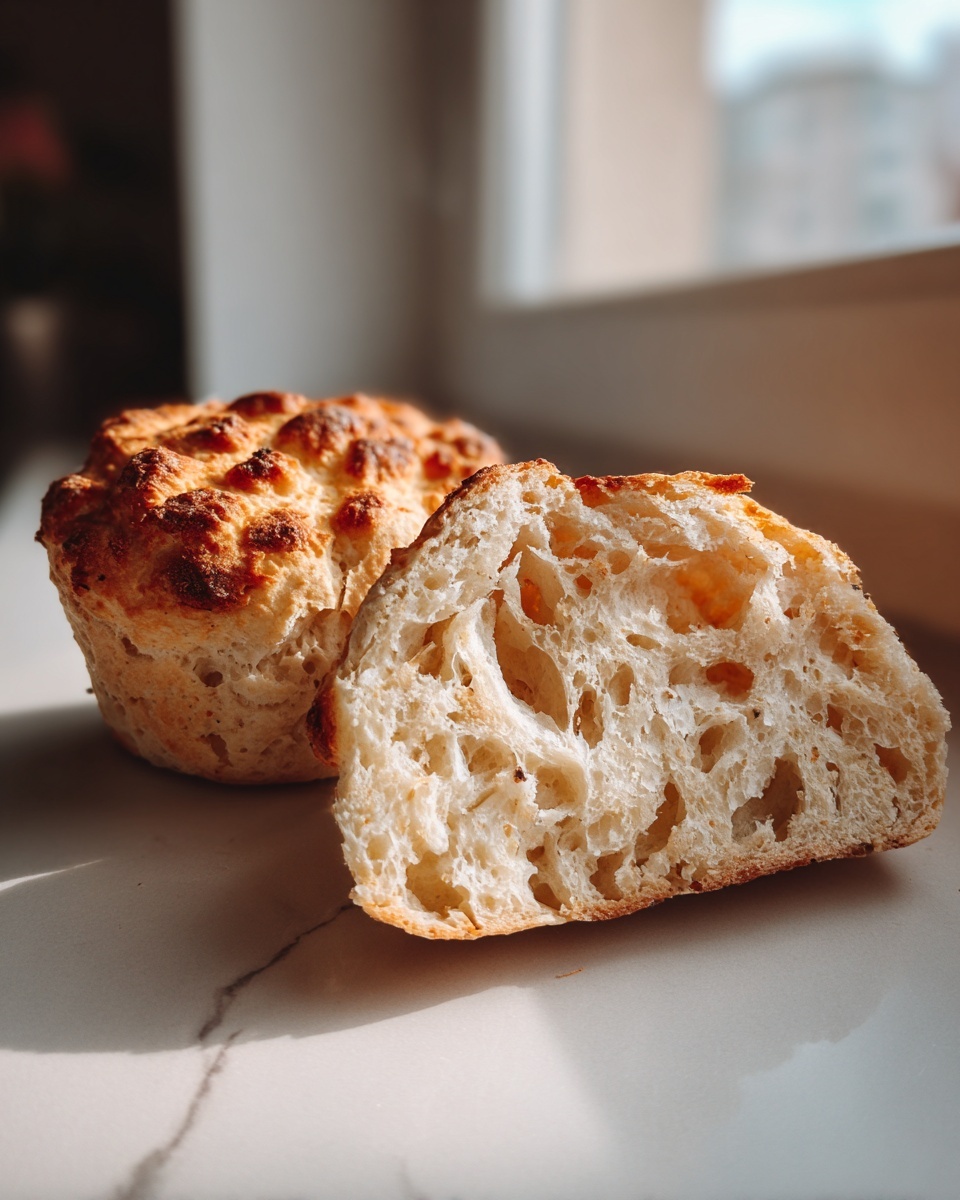
And please, don’t forget to enjoy them freshly toasted alongside your morning cup of coffee or perhaps a warm cup of my spiced chai latte. It’s a simple ritual, but transforming your morning routine with homemade bread just makes everything feel a little more special and elegant, doesn’t it?
Storage and Freezing Instructions for Homemade Sourdough English Muffins
These are best eaten the day you make them, of course, while the outside is still perfectly textured from the griddle. However, these sourdough English muffins are fantastic for meal prep because they freeze like a dream!
The absolute most important rule for freezing is this: they must be cooled completely—and I mean totally cooled—before they ever see a freezer bag. If you wrap them warm, you’ll end up with sticky, mushy muffins, and we can’t have that.
Once they are room temperature, pop them into a heavy-duty, airtight bag. They keep wonderfully for up to three months! When you are ready for one, just pull it out and toast it straight from frozen in your toaster or under the broiler. They taste just as wonderful as the fresh batch of sourdough English muffins!
Frequently Asked Questions About Sourdough English Muffins
Can I make these sourdough English muffins without any sourdough starter?
Oh, you certainly can if you are absolutely desperate and out of starter! You can switch to commercial yeast, following a standard bread recipe structure. However, you’ll be missing what makes these truly special. The long fermentation time and the natural leavening from your starter are what contribute to that deep flavor and aid in creating those lovely air pockets. They’ll still be fluffy homemade bread, I suppose, but they won’t have that delightful, characteristic tang of an authentic sourdough English muffin.
What is the best way to reheat sourdough English muffins?
Toasting is, without a doubt, the champion here! Never, ever slice them horizontally with a knife if you want to honor those nooks and crannies we worked so hard to create. Once they are completely cool, you must split them open with a fork—gently pry along the seam. Then, toast them! Toasting them in a toaster or under the broiler brings back that light crispness on the exterior while keeping the inside beautifully soft and ready to soak up butter. Heat helps revive that griddle-cooked texture beautifully.
Are sourdough English muffins healthier than regular ones?
This is a great question for those of us focusing on healthy homemade breakfast options! Because the sourdough process involves fermentation, the wild yeasts begin to break down complex starches and gluten before you even eat them. Many people find that naturally leavened bread is much easier to digest than bread made quickly with commercial yeast. So yes, while they are still a delicious treat, the sourdough fermentation usually gives them a nutritional edge over their standard counterparts!
Nutritional Estimates for Sourdough English Muffins
I always think it’s helpful to have a general idea of what’s in the delicious things we bake, even if my focus is always flavor first! Remember, these are just estimates calculated based on the core ingredients listed in the recipe—things like flour and honey can shift the final count slightly based on what brands you use. But this gives you a great baseline for enjoying these healthy homemade breakfast treats!
Since we are working with hearty ingredients like sourdough starter, the result is quite satisfying without needing tons of sugar, which I truly appreciate when I’m making something for a weekend brunch. Here is what you can generally expect per one sourdough English muffin:
- Serving Size: 1 muffin
- Approximate Calories: 210
- Total Fat: 4g
- Saturated Fat: 2g
- Cholesterol: 15mg
- Sodium: 350mg
- Total Carbohydrates: 40g
- Dietary Fiber: 2g
- Total Sugar: 3g
- Protein: 6g
This information is just an estimate, of course, and you know how I feel about perfection—if you load yours up with artisanal butter and homemade jam, the numbers will shift! But it’s a fantastic, well-rounded base for a truly satisfying breakfast!
Share Your Sourdough English Muffins Creations
Now that you’ve made these wonderful sourdough English muffins, I truly hope you stop for a moment to admire those nooks and crannies! If you had success achieving that perfect, craggy interior, please leave a star rating and comment below. I adore hearing which serving style you chose. Tag me on social media so I can see the beautiful breakfasts you’re creating!
PrintUltimate Soft Sourdough English Muffins with Perfect Nooks and Crannies

Create soft, chewy sourdough English muffins at home using your active starter or discard. This recipe delivers the classic nooks and crannies texture, perfect for toasting or making breakfast sandwiches.
- Prep Time: 20 min
- Cook Time: 16 min
- Total Time: 1 hour 36 min
- Yield: 10 servings 1x
- Category: Breakfast
- Method: Griddle Cooking
- Cuisine: American
- Diet: Vegetarian
Ingredients
- 1 cup active sourdough starter or sourdough discard
- 1 cup warm milk
- 2 tablespoons honey or maple syrup
- 2 tablespoons unsalted butter, melted
- 1 teaspoon salt
- 1 teaspoon baking soda
- 3 cups all-purpose flour, plus more for dusting
Instructions
- In a large bowl, mix the sourdough starter, warm milk, honey, and melted butter until combined.
- Add the salt and baking soda, mixing briefly.
- Gradually add the flour, mixing until a shaggy, soft dough forms. Do not overmix.
- Cover the bowl and let the dough rest at room temperature for 1 to 2 hours, or place it in the refrigerator for an overnight ferment (up to 12 hours).
- Lightly flour a clean work surface. Turn the dough out onto the surface. Gently knead the dough 3 or 4 times until it just comes together.
- Use a 3-inch round cutter to cut out the English muffin shapes. You can gently re-roll scraps once.
- Place the rounds on baking sheets lined with parchment paper dusted heavily with cornmeal or semolina, if desired, for texture.
- Heat a dry cast-iron griddle or heavy skillet over medium-low heat.
- Carefully place the dough rounds onto the hot griddle, ensuring they do not touch.
- Cook for 6 to 8 minutes per side until golden brown. Reduce the heat if they brown too quickly. The goal is slow cooking to develop the interior texture.
- Remove the muffins from the griddle and let them cool completely on a wire rack.
- To serve, split the muffins using a fork, not a knife, to preserve the nooks and crannies. Toast before serving with butter or jam.
Notes
- For the best nooks and crannies, avoid kneading the dough too much after the initial rest.
- Use a fork to split the muffins open; slicing with a knife compresses the interior structure.
- These freeze well. Cool completely, then store in an airtight bag for up to three months.
Nutrition
- Serving Size: 1 muffin
- Calories: 210
- Sugar: 3
- Sodium: 350
- Fat: 4
- Saturated Fat: 2
- Unsaturated Fat: 2
- Trans Fat: 0
- Carbohydrates: 40
- Fiber: 2
- Protein: 6
- Cholesterol: 15