
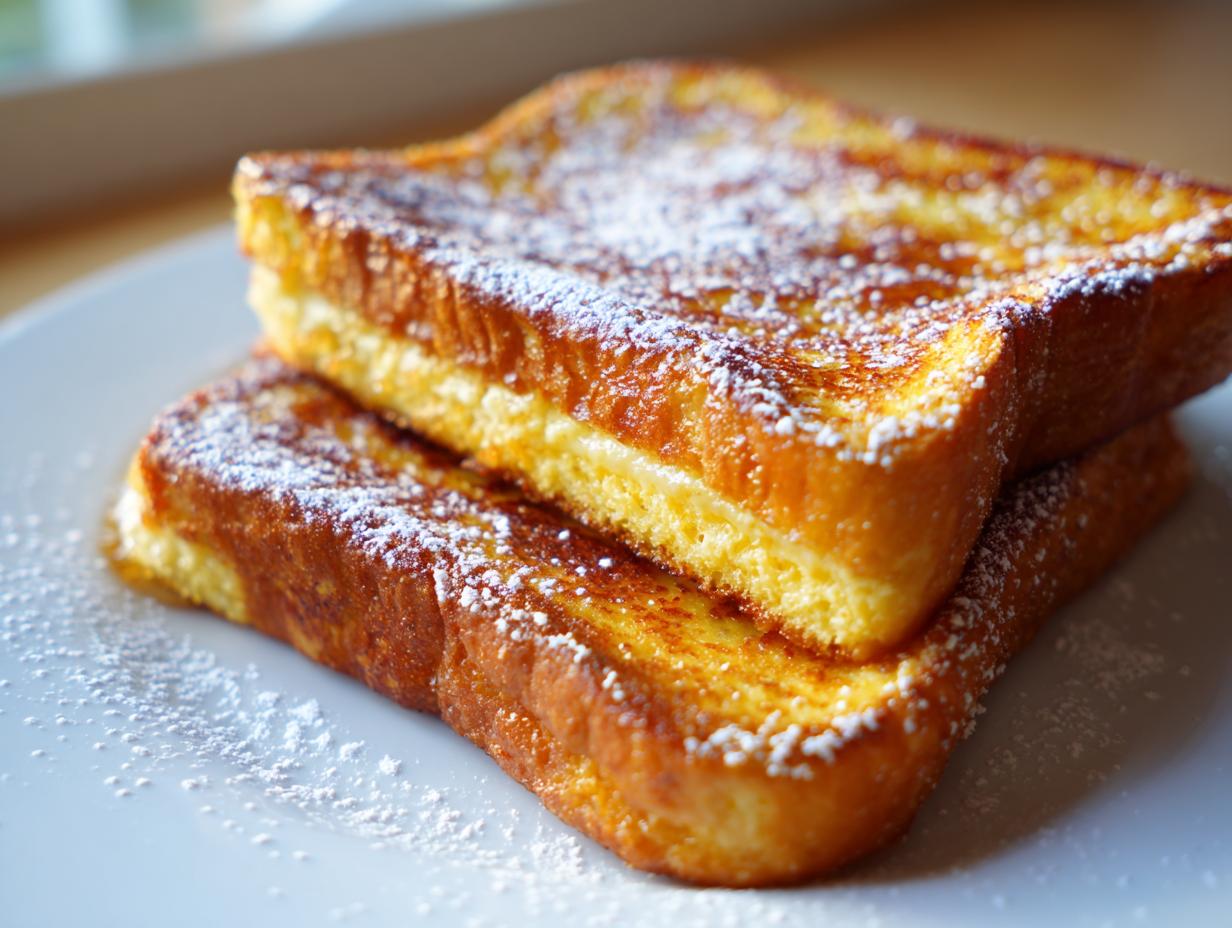

Mornings, in my opinion, deserve more elegance than just quickly buttering toast. When I approach preparing breakfast, especially for a relaxed weekend, I want something that feels truly special—a dish that bridges indulgence with simple, high-quality ingredients. That’s why mastering the absolute best french toast is so important to me. Forget the soggy, undercooked slices of the past; my mission here is to finally nail that perfect texture: buttery, golden, crispy edges giving way to an interior that is completely, unbelievably custardy.
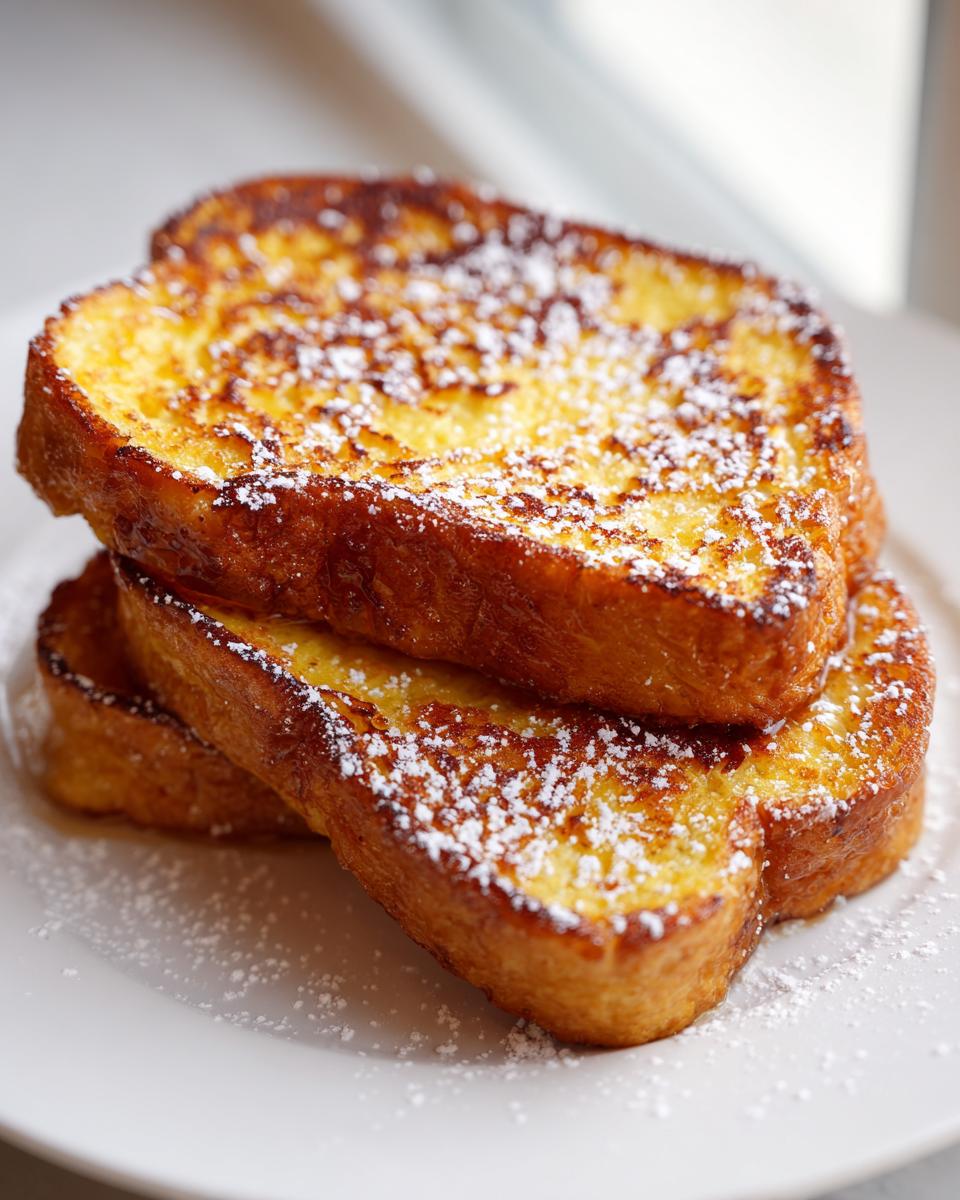
For me, food is about creating memories, and gathering around a plate of spectacular french toast at Sunday brunch always feels like the best kind of celebration. If you’re looking for more entertaining ideas for gatherings beyond breakfast, be sure to check out my favorite ideas for brunch entertaining.
Follow these steps, and I promise you’ll elevate your breakfast game effortlessly.
- Why This is The Absolute BEST french toast Recipe (E-E-A-T Focus)
- Ingredients for Perfect french toast
- Step-by-Step Instructions for Stovetop french toast
- Tips for Success When Making french toast
- french toast Variations and Serving Suggestions
- Storage and Reheating the Best french toast
- Frequently Asked Questions About french toast
- Nutritional Estimate for this french toast Recipe
- Share Your Experience Making french toast
Why This is The Absolute BEST french toast Recipe (E-E-A-T Focus)
What makes this particular french toast recipe stand head and shoulders above the standard quick breakfast? It comes down to technique and respecting the ingredients, really. So many people rush the soak, or they use bread that simply can’t handle the custard, resulting in a sad, watery mess. We are avoiding that pitfall entirely! My goal here, developed through years of testing, is achieving that dual texture: a satisfying, Crispy Edge French Toast that cracks just a little, contrasted by the melt-in-your-mouth Custardy French Toast Center. It’s all about the right vessel supporting the richest possible soaking liquid. If you are looking for more culinary inspiration on similar dishes, you might enjoy this excellent take on the best french toast recipe.
The Secret to Fluffy french toast: Bread Selection
You simply cannot make magnificent French toast with standard, thin sandwich bread. It’s just too delicate. I insist on thick-cut bread—think 1 to 1.5 inches thick. My absolute favorites are either rich Brioche or day-old Challah. Why day-old? Because the bread needs a little structure to absorb the batter without dissolving into mush. That’s why my instructions start with a very light pre-toasting; it dries the surface just enough to be a sponge for flavor, not just liquid. This attention to the Best Bread for French Toast is non-negotiable for success!
Crafting the Creamy french toast Batter
The batter isn’t just eggs and milk; it’s a carefully balanced custard. We use a specific ratio of eggs to whole milk—or even half-and-half if you’re feeling indulgent—to get that intense richness. That depth of flavor comes from fragrant vanilla, a touch of cinnamon and nutmeg (don’t skip the nutmeg!), and just a whisper of granulated sugar. When you whisk this together really well, you create the true foundation for that heavenly Creamy French Toast Batter that gives you the perfect result, every time.
Ingredients for Perfect french toast
When you gather your ingredients for this classic french toast, remember that high quality here really does translate directly into that indulgent brunch experience we’re aiming for. Think of this list as sacred; measurements matter when creating that perfect soak!
- 8 slices thick-cut bread (Brioche or Challah recommended—they are the heroes here!)
- 4 large eggs
- 1 cup whole milk or half-and-half (I prefer half-and-half for extra richness!)
- 1 teaspoon vanilla extract
- 1/2 teaspoon ground cinnamon
- 1/4 teaspoon ground nutmeg
- 1 tablespoon granulated sugar
- 2 tablespoons unsalted butter, for cooking (Don’t try to substitute this—butter creates the best golden sheen!)
If you’re planning a larger gathering and need more ideas for cooking for a group, check out my go-to brunch entertaining strategies!
Step-by-Step Instructions for Stovetop french toast
Now we get to the fun part—bringing all those glorious ingredients together! Cooking french toast on the stovetop is fast, but timing is everything to get that coveted custard-to-crisp ratio right. Pay close attention during the soak; this is where many people go wrong, so don’t rush this stage, but don’t dally either! For more tips on making fantastic quick breakfasts, take a look at my easy recipe guide here.
Preparing the Bread and Custard for your french toast
First, we need to get that batter ready. In a shallow dish, whisk your eggs, milk, vanilla, spices, and sugar until everything is beautifully incorporated—no streaks allowed! Remember that slight toasting step? Do that first to give your bread some backbone. Now, dip each slice into the mixture, counting slowly. About 25 to 30 seconds per side is ideal for a thick slice. You want it saturated, but if it starts looking floppy or like it might tear, pull it right out!
Cooking your french toast for Golden, Crispy Edges
Place your largest skillet or griddle over medium heat, or maybe even medium-low to start. Melt half the butter until it foams lightly—that’s your signal! Lay your soaked slices down gently, making sure they aren’t too cozy and overlapping. Cook for about 3 to 4 minutes until that first side is deeply golden. If you see the edges getting too dark too fast, immediately drop your heat. That low-and-slow cooking ensures the center of your french toast sets into that creamy custard we love before the outside burns. Always cook until the edges look appropriately caramelized and beautiful!
Tips for Success When Making french toast
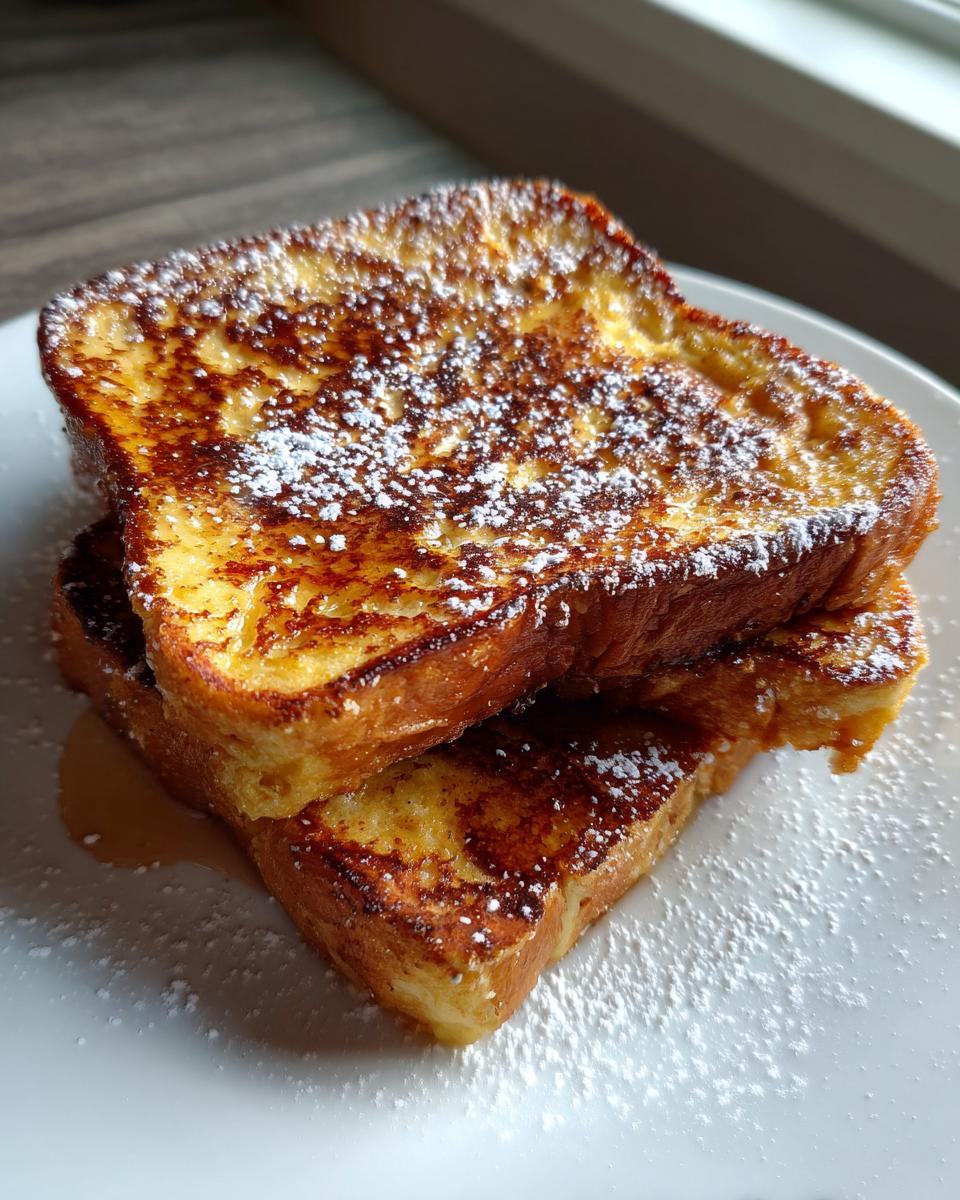
Okay, so you’ve mastered the soak and you know how crucial your bread choice is—but what happens when you’re cooking for a full house? We have to think about efficiency here! If you’re attempting to make this spectacular french toast for more than two people, you absolutely must leverage your oven as a warming station. Once a slice is perfectly cooked, transfer it immediately to a baking sheet placed in a low oven, say around 200°F. This keeps them warm and prevents the crispy edges from getting gummy while you finish the rest!
If you want those extra-special, almost caramelized sugary edges, here’s a little trick I learned: right before flipping the last batch, sprinkle a tiny pinch of extra granulated sugar directly onto the skillet around the bread. Let it sit for just 30 seconds before flipping onto that sugary spot. It creates this incredible, thin, shiny crust. For more tips on elevating your meals and hosting gracefully, stay tuned to my latest posts on the blog here! Or, for more ways to hack your breakfast routine, you can check out some neat advice on how to make easy french toast.
Remember, the key to serving fantastic french toast is serving it all relatively quickly, but these warming tips ensure quality doesn’t drop too much. Happy cooking!
french toast Variations and Serving Suggestions
This foundational recipe for french toast is wonderful on its own, but it’s truly a blank canvas for creativity! You absolutely must try a quick Cinnamon French Toast Variation; just double the cinnamon in the custard and perhaps add a small dash of vanilla bean paste if you have it. It takes almost no extra time.

When it comes to toppings, while pure maple syrup is lovely, don’t stop there. A sprinkle of fresh candied pecans, a dollop of lightly sweetened mascarpone, or a bright raspberry sauce makes everything feel instantly more elegant. If you’re feeling really festive, you have to look into making that incredible caramelized top layer. I found this wonderful guide on Crème Brûlée French Toast that turns breakfast into dessert—it’s stunning for a holiday brunch!
If you are planning on serving other things alongside your main dishes, make sure to check out my favorite appetizers ideas for when guests arrive early!
Storage and Reheating the Best french toast
Even the best french toast is sometimes better the next day, but only if you store it correctly! Please, promise me you won’t just stack them up warm; that guarantees sogginess. Once cooled slightly, store leftovers in an airtight container in your refrigerator for up to three days. When it’s time to bring them back to life, though, skip the microwave entirely—that’s a guaranteed path to rubbery eggs!
The secret to reviving that lovely crispness is dry heat. Pop your slices onto a baking sheet and warm them briefly in a 350°F oven or, even better, a toaster oven for about five to seven minutes. This slightly crisps the edges back up beautifully. It’s the perfect way to enjoy leftover french toast without sacrificing texture. If you’re looking for main dishes to serve alongside this for a bigger meal, see my favorites here.
Frequently Asked Questions About french toast
Can I use regular sandwich bread for french toast?
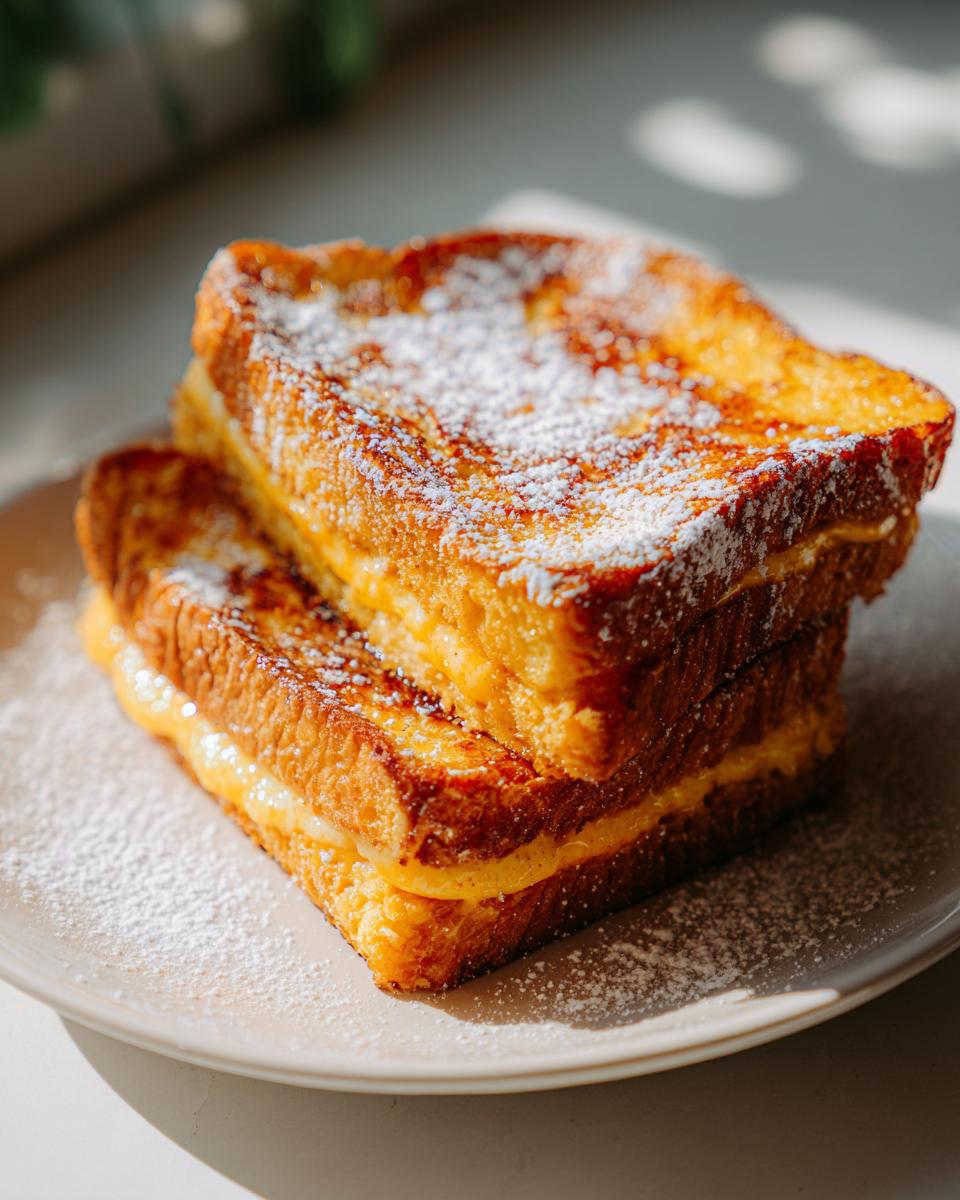
Well, you certainly *can*, but I wouldn’t exactly recommend it if you’re aiming for that divine, custardy french toast center we’ve built this whole recipe around! Regular sandwich bread is thin, and it soaks up the mixture so fast that it usually turns mushy; you end up with floppy toast rather than firm, fluffy slices. If that’s all you have on hand, try to give it only a quick 10-second dip on each side. For the best experience, always opt for that thick-cut Brioche or Challah—it’s worth the extra effort!
How do I make Overnight french toast?
Oh, I love an Overnight French Toast for busy mornings! This usually shifts the recipe into a casserole format, which I have plans to share soon, but the basic idea is this: instead of soaking individual slices right before cooking, you layer your bread (stale bread works best!) in a dish, pour the entire custard mixture over the top, cover it tightly, and let it chill in the fridge overnight—up to 12 hours. The bread slowly absorbs the liquid beautifully. In the morning, you just pop the whole thing in the oven! It’s a marvelous setup for a Make Ahead Breakfast Casserole.
What temperature should I cook french toast at?
This is so important for avoiding burnt edges and raw insides! You must start your skillet or griddle at a solid medium heat. If your pan is smoking hot, the sugar in the batter will caramelize instantly, or worse, burn, before the egg mixture in the middle even sets. If you notice your butter browning too quickly or the outside getting dark in under three minutes, pull the burner setting back slightly. It’s all about patience; you want it hot enough to get that golden, crispy edge french toast, but low enough that the custard has time to fully cook through and set.
Nutritional Estimate for this french toast Recipe
I always try to keep things balanced here at Unfold Recipes, even when we are indulging in something as wonderfully comforting as the best french toast. If you are tracking things, I wanted to give you a general idea of what you might be looking at for this recipe. Now, remember, this is just an estimate! That number shifts wildly depending on whether you use whole milk or half-and-half, or how much glorious maple syrup you drizzle on top.
This breakdown is based on the provided ingredients split across 4 servings (2 slices of french toast each). For more options that pair beautifully with this sweet main course, see my favorite side dishes ideas.
- Serving Size: 2 slices
- Calories: Approximately 350
- Sugar: Around 12g (This is mostly natural sugar from the milk and a touch from the added sugar in the custard!)
- Fat: About 18g (Mostly from the butter we use for that beautiful sear)
- Protein: Approximately 14g (Thanks to those eggs!)
- Carbohydrates: Roughly 35g
Enjoying a truly magnificent breakfast like this one from time to time is what life is all about. Don’t let numbers keep you from creating delicious memories!
Share Your Experience Making french toast
Now that you have the complete guide to creating the absolute best french toast—crispy exterior, creamy interior, all that goodness—the final step is making it yours! I truly hope this recipe brings that feeling of elegant, yet effortless, indulgence to your next weekend breakfast.
Please, if you give this a try, come back and let me know how it went! Drop a comment below telling me what bread you chose (was it Challah? Brioche?) and what toppings you simply couldn’t resist. Did you stick to the classics or try a wild new flavor combination?
I always read every comment, and hearing about your kitchen successes is honestly the best part of running Unfold Recipes. Rate the recipe five stars if it earned a spot in your permanent rotation! If you have questions or just want to connect about hosting or wine pairings, you can always reach out through my contact page. Happy brunching, my friends, and thank you for letting me share a piece of my kitchen story with yours!
PrintThe Absolute BEST French Toast Recipe: Crispy Edges and Custardy Center
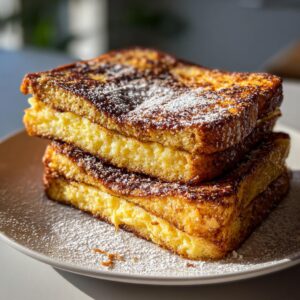
Discover the secrets to making the best French toast, achieving that perfect balance of a golden, crispy exterior and a rich, soft, custardy center every time. This classic French toast recipe uses simple ingredients and proven techniques for an indulgent breakfast.
- Prep Time: 10 min
- Cook Time: 15 min
- Total Time: 25 min
- Yield: 4 servings 1x
- Category: Breakfast
- Method: Stovetop
- Cuisine: American
- Diet: Vegetarian
Ingredients
- 8 slices thick-cut bread (Brioche or Challah recommended)
- 4 large eggs
- 1 cup whole milk or half-and-half
- 1 teaspoon vanilla extract
- 1/2 teaspoon ground cinnamon
- 1/4 teaspoon ground nutmeg
- 1 tablespoon granulated sugar
- 2 tablespoons unsalted butter, for cooking
Instructions
- Prepare your bread: If your bread is not slightly stale, lightly toast the slices for about 5 minutes to help them absorb the custard without becoming soggy.
- Create the custard batter: In a shallow dish, whisk together the eggs, milk, vanilla extract, cinnamon, nutmeg, and sugar until completely combined. This mixture creates the creamy French toast center.
- Soak the bread: Dip each slice of bread into the custard mixture, allowing it to soak for about 20 to 30 seconds per side. You want the bread saturated but not falling apart.
- Heat the cooking surface: Place a large skillet or griddle over medium heat. Add half of the butter and let it melt until it foams slightly.
- Cook the French toast: Place the soaked bread slices onto the hot skillet, ensuring they do not overlap. Cook for 3 to 4 minutes per side until the edges are golden brown and slightly crisp.
- Achieve the perfect finish: Reduce the heat slightly if the exterior browns too quickly before the inside cooks. For extra caramelized edges, you can briefly increase the heat at the very end.
- Serve immediately: Transfer the cooked French toast to plates. Serve warm with your preferred toppings like maple syrup and fresh berries.
Notes
- Using thick-cut bread like Brioche or Challah is the key to a custardy French toast center. Thin bread will become soggy.
- For a richer flavor, substitute half of the milk with heavy cream in the batter.
- If you are making a large batch, keep cooked French toast warm on a baking sheet in a 200°F oven while you finish the rest.
Nutrition
- Serving Size: 2 slices
- Calories: 350
- Sugar: 12
- Sodium: 350
- Fat: 18
- Saturated Fat: 9
- Unsaturated Fat: 9
- Trans Fat: 0.5
- Carbohydrates: 35
- Fiber: 2
- Protein: 14
- Cholesterol: 180