
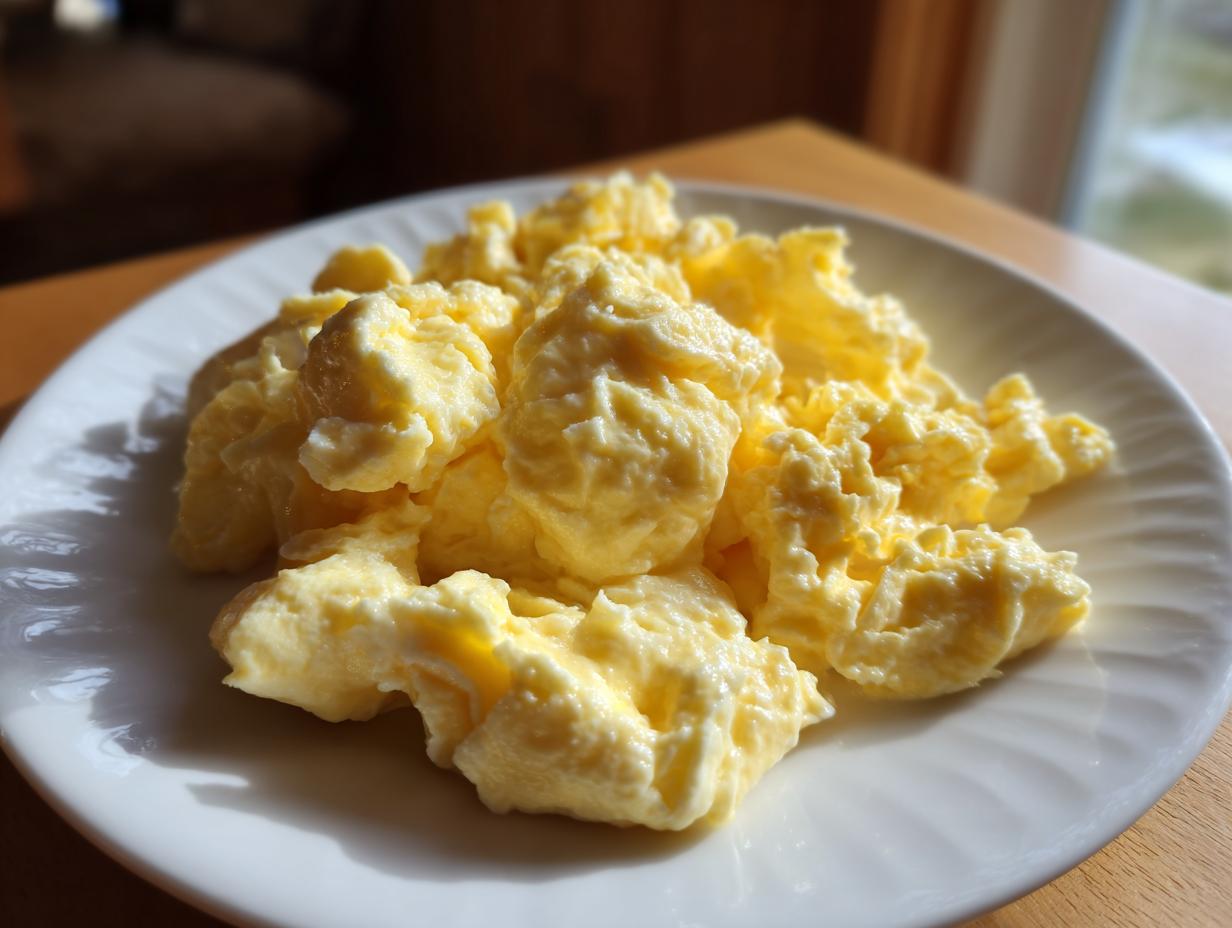

Are you tired of scrambling eggs only to end up with dry, sad flakes that resemble rubber cement? Me too! It used to happen to me all the time until I figured out the absolute secret to perfectly creamy and fluffy scrambled eggs.
Look, everyone deserves a great start to their morning, and the glorious, soft scramble is the foundation of all delicious breakfast comfort. I spent years working in professional kitchens after leaving PR, and Catherine Valdès’ commitment here at Unfold Recipes is to make sure challenging things—like achieving that custardy texture—become simple and reliable for you. Trust me when I say, ditching the high heat is the game changer. This guide will show you exactly how that low-and-slow technique transforms four simple eggs!
- Why This is the Best Scrambled Eggs Recipe for Creamy Results
- Gathering Ingredients for Perfect Scrambled Eggs
- Mastering Scrambled Eggs: Step-by-Step Instructions
- Tips for Success When Making Scrambled Eggs
- Variations: Elevating Your Scrambled Eggs
- Quick Scrambled Eggs for Busy Mornings and Meal Planning
- Storing and Reheating Your Creamy Scrambled Eggs
- Frequently Asked Questions About Scrambled Eggs
- Nutritional Estimates for Scrambled Eggs
- Share Your Perfect Scrambled Eggs Experience
Why This is the Best Scrambled Eggs Recipe for Creamy Results
If you’ve ever eaten scrambled eggs that taste like sad little pebbles, I’m here to tell you that wasn’t your fault! Most people rush them over screaming-hot burners, and that just tightens the proteins right up into something tough and flavorless. We are actively fighting against that harsh outcome here. This amazing, creamy egg scramble technique requires patience, but it’s so worth making a trip to the brunch table for. This is easily the best scrambled eggs recipe because it centers on one huge secret: the low-and-slow method.
When I was learning this technique, I kept wanting to turn the heat up! My chef instructor—thanks to Catherine’s culinary training background—would gently stop my hand every time. High heat cooks eggs too fast, forcing out all the moisture and leaving you with dry chunks. By cooking slowly, we keep the eggs tender and custardy. You’ll be amazed how much better your scrambled eggs taste when you just let them take their little time.

The Science Behind Fluffy Scrambled Eggs
It really comes down to protein structure, darling! Think about it: eggs are mostly protein and water. When you blast them with high heat, those proteins seize up in a hurry, squeezing out all that gorgeous water content—bye-bye moisture!
But when we use low heat, we encourage the proteins to bond gently. They create small, soft pockets that hold onto the moisture and the fat (hello, butter and cream!). That’s literally how to make fluffy eggs that are light, airy, and melt in your mouth. It’s just careful kitchen science applied to your breakfast, making it reliable every time!
Gathering Ingredients for Perfect Scrambled Eggs
Okay, let’s talk about what you need for this winning batch of scrambled eggs. Since we are focusing on texture and flavor, the quality of these basic items really shines through! Don’t worry, it’s nothing complicated, but I need you to be precise with the dairy choice.
For our recipe, we are using four large eggs, of course. But the real star for that luscious mouthfeel is the fat! You absolutely need 1 tablespoon of unsalted butter—we want flavor, not added saltiness right now. And for the liquid, grab 2 tablespoons of half-and-half or, if you want to go truly decadent, use heavy cream. That extra fat percentage is what gives us those signature creamy curds we are aiming for.
Don’t forget the basics: just a tiny pinch of salt before cooking, and freshly ground black pepper to taste later. Oh, and if you are feeling like making these gourmet—which, honestly, you should—chop up a teaspoon of fresh chives for garnish!
Ingredient Notes and Substitutions for Creamy Scrambled Eggs
Now, the dairy is non-negotiable for that *creamy* factor. If you only have regular milk, go ahead and use it, but know that the eggs will be slightly less rich. No heavy cream or half-and-half? Milk is okay, but you are losing that luxurious, coating texture.
For an extra little zip—this is my chef trick—after the eggs are mostly done and off the heat, you can swirl in a teaspoon of crème fraîche or even quality sour cream. It adds a beautiful tang that brightens up the whole dish. It’s such a simple upgrade for otherwise easy breakfast eggs!
Mastering Scrambled Eggs: Step-by-Step Instructions
Now for the main event! This is where we take those beautiful ingredients we just talked about and turn them into pure, buttery magic. Remember, for the silkiest, most luxurious plate of scrambled eggs, we must follow the low heat method. Don’t rush; this is the difference between restaurant quality and kitchen disappointment, and honestly, achieving this level of creaminess is one of my favorite parts of how to cook eggs perfectly.
First things first, let’s get those liquids ready to mingle. You’re going to pour your whisked eggs and cream into the skillet—wait, wait, wait!—first, melt that tablespoon of butter over low heat. It should melt until it just foams up a tiny bit. If it starts turning brown, pull the pan off the heat immediately and start over; brown butter equals nutty, not creamy!
The Whisking Technique for Fluffy Scrambled Eggs
Before they even see the pan, you need to incorporate air! Whisk your eggs and cream mixture like you mean it—vigorously! You want them to get slightly frothy and very pale yellow. This quick, aggressive whisking incorporates air bubbles that expand while cooking, which is exactly what helps create those fluffy scrambled eggs you’ve been dreaming about. Get them light and airy before you pour!
Low Heat Method for Creamy Scrambled Eggs
Okay, eggs are in the pan over that gentle low heat. Let them sit, I mean *really* let them sit, for about 30 seconds without touching them at all. This lets the edges just start to firm up slightly, which is crucial for building those large, soft curds.
Now, grab your rubber spatula and start gently pushing the cooked bits from the edges toward the center. Tilt the pan so the runny egg flows underneath. Keep doing this slowly—that’s the actual creamy egg scramble technique! It takes a little persistence; you have to be patient and resist turning up the heat, even if it feels like it’s taking forever. That slow cooking builds the creamy texture perfectly. Honestly, my best advice here is to just chill out and enjoy the process!

The absolute final moment is the most important part of mastering scrambled eggs. When the eggs look mostly set but are still glossy, *wet-looking*, and soft—pull the pan right off the burner! Seriously, take it away from the heat source. The residual heat in the pan will finish them up, ensuring they are tender and never dry out. If you wait until they look done in the pan, they’ll be overdone on the plate!
Tips for Success When Making Scrambled Eggs
If you follow the low and slow concept, you are already practically a pro at mastering scrambled eggs! But let me share two absolute must-dos that I learned the hard way. Skipping these steps is often why people end up with tougher, less flavorful results.
First, I preach this all the time: never let your butter brown! If you see even a hint of color, pull that skillet off the heat for a moment while you add your eggs. Browned butter tastes deep and nutty, which is amazing for sautéeing vegetables, but it overpowers the subtle flavor we want in a truly soft cooked eggs recipe.
Second, and this is critical for that creamy scrambled eggs texture, always take the eggs off the heat *before* they look fully done. I mean it! They should still look a little glossy. I cannot stress enough how much residual heat a good non-stick pan holds. That lingering warmth will cook them perfectly on the plate without rendering them dry and tough. It’s all about the timing, honey! For more general cooking wisdom, you can always check out the blog for my latest kitchen adventures.

Also, keep using that spatula to gently lift and fold the eggs up off the bottom of the pan, even when cooking slow. This forces the uncooked liquid underneath and ensures you get those lovely, defined but tender curds. It adds body and prevents them from sticking together into one big sheet!
Variations: Elevating Your Scrambled Eggs
Okay, so you’ve mastered the creamy base, which is fantastic! But one of the best things about simple scrambled eggs is how easily they wear different hats. You don’t have to eat them plain every day, although they’re perfect that way too!
If you’re looking to dress these up a little—make them feel a bit more gourmet, maybe for serving company—tossing in some flavor boosters right at the very end is the move. We already talked about chives, but a little sprinkle of sharp cheddar or Gruyère cheese melted right in when they are nearly done is heavenly. Just remember to add it once the heat is off so the cheese melts gently instead of frying.
These versatile eggs are amazing on their own, but they are also the perfect foundation for other meals. Think about slicing these soft curds over some perfectly toasted sourdough for avocado toast, or even spooning them right into warm corn tortillas for amazing breakfast tacos. I even use a similar base batch when making my chicken quesadillas for a hearty, protein-packed lunch. It’s all about using your foundational skills!
Quick Scrambled Eggs for Busy Mornings and Meal Planning
Wait a minute, Catherine! I hear you saying, “But I need this creamy goodness in under five minutes!” I get it; mornings can be chaos! While this ultra-creamy technique requires slow cooking—we talked about that low heat—you can absolutely scale this process up or down depending on what you need.
If you’re cooking for one or two people, it really is super fast, maybe 7 minutes max. But if you are trying to get ahead of the week, scaling up the batch takes more time because you have to maintain that gentle heat over a larger surface area. If you’re serious about getting ahead, I highly recommend focusing on dedicated freezer breakfast burritos, or really digging into structured meal planning for those days when even 10 minutes feels like too much.
The key, even when scaling, is to resist the urge to cook a huge batch all at once in one pan. If you crowd the pan, you end up steaming the eggs, and then you lose that wonderful, velvety texture we worked so hard for! Cook in smaller batches if you need more servings, and you won’t sacrifice creaminess for speed.
Storing and Reheating Your Creamy Scrambled Eggs
So you made the most amazing, soft, creamy scrambled eggs, and you have leftovers. Lucky you! The best way to store these is quickly in an airtight container in the fridge—try to eat them within two days.
Now, here’s the honest truth: reheating eggs is tricky because that low-and-slow cooking created such a delicate texture. When you reheat them, they will firm up slightly, losing a bit of that beautiful fluffiness. My tip? Add a tiny splash of cream or milk to the leftovers before heating them gently in a non-stick pan over very low heat. Don’t microwave them unless you absolutely must; they tend to get rubbery in there!
Frequently Asked Questions About Scrambled Eggs
Do I need milk or cream for fluffy scrambled eggs?
This is such a common question! Honestly, you don’t *need* milk or cream to physically make eggs fluffy, but I highly recommend it if you are following my recipe for the best results. The goal here is creamy texture, and that extra fat from the half-and-half or heavy cream is what delivers that perfect, rich coating on the curds.
If you skip the dairy entirely, you’ll get a lighter, fluffier texture, but it won’t have that super luscious, rich feel we are aiming for in this creamy egg scramble technique. So, for this recipe, yes, use the cream!
What is the ideal pan for making scrambled eggs?
I adore my cast iron, but for this style of scrambled eggs, you simply must use a good non-stick skillet. Because we are cooking them low and slow and using gentle folding motions, we want zero fuss with sticking.
If your pan sticks even a little, you’ll end up tearing up your delicate curds, and all that slow cooking effort is wasted! Also, make sure the pan isn’t too big. For just four eggs, I use an 8-inch skillet. If the pan is too wide, the eggs spread too thin, cook too fast, and you lose that wonderful ability to create those thick, soft folds we covered in the steps.
Can I cook scrambled eggs ahead of time?
This is tricky territory for achieving that “perfect” texture. These creamy scrambled eggs really are best eaten the minute they come off the heat. If you cook them ahead of time, they firm up quickly as they cool.
If you absolutely must prep them—say, for a big brunch where timing is everything—you need to slightly undercook them, pulling them off the heat when they look almost liquid. Store them immediately in a sealed container in the fridge. Remember what I said about reheating? You must reheat them gently on the stovetop with a tiny splash of extra cream to bring back some life. They won’t be *as* good as fresh, but it’s better than nothing!
Is high heat ever okay when making scrambled eggs?
Absolutely not, if you want soft, fluffy eggs! High heat is the enemy of creaminess. It causes the egg proteins to coagulate instantly and aggressively, which forces out all the moisture. That’s how you get dry, chewy eggs—the opposite of what we want here.
The entire philosophy behind making the best scrambled eggs recipe comes down to patience and low, consistent warmth. If you see the butter turning brown in the pan, I promise you your heat is too high!
Nutritional Estimates for Scrambled Eggs
I always like providing a little insight into what we are eating, even when it’s just a simple batch of scrambled eggs! Keep in mind that these numbers are just estimates based on the primary ingredients list—the eggs, the half-and-half, and the butter. If you add lots of cheese or use extra butter, those totals will obviously climb higher!
This breakdown is generally for the single serving size we covered in the recipe. It’s nice to see that we get a solid amount of protein to start the day right, even with all that enjoyable fat content that gives us the great texture!
- Serving Size: 1 serving
- Calories: 250
- Protein: 18g
- Fat: 19g (Saturated Fat: 10g)
- Carbohydrates: 2g
- Sugar: 1g

So there you have it! A delicious, comforting breakfast that still packs a good protein punch, even with all that rich dairy we used to guarantee those wonderfully creamy scrambled eggs. Enjoy every spoonful, knowing exactly what you’re putting in your body!
Share Your Perfect Scrambled Eggs Experience
I truly hope that after following these steps, you’ve finally conquered the elusive, perfect scramble! Making scrambled eggs that are both unbelievably creamy *and* beautifully fluffy shouldn’t be a once-in-a-lifetime event; it should be your Sunday morning standard!
Please, please, please come back and tell me how it went! Did the low-heat method change your life like it changed mine? Did you manage to pull the pan off the heat while they were still glossy? That bit of feedback really helps me ensure this guide stays top-notch!
You can leave a rating right down in the comments section below. I love hearing about your kitchen successes. And if you managed to snap a picture of those beautiful, golden, soft curds—I want to see them! Tag me on social media so I can celebrate your textural victory!
Until then, happy cooking, and I’ll see you in the kitchen for the next simple indulgence!
PrintThe Ultimate Guide to Creamy and Fluffy Scrambled Eggs

Master the technique for making soft, creamy, and perfectly fluffy scrambled eggs every time using a low-heat method. This simple recipe is ideal for a quick, comforting breakfast.
- Prep Time: 3 min
- Cook Time: 7 min
- Total Time: 10 min
- Yield: 1 serving 1x
- Category: Breakfast
- Method: Stovetop Cooking
- Cuisine: American
- Diet: Vegetarian
Ingredients
- 4 large eggs
- 2 tablespoons half-and-half or heavy cream
- 1 tablespoon unsalted butter
- Pinch of salt
- Freshly ground black pepper to taste
- Optional: 1 teaspoon chopped fresh chives
Instructions
- In a medium bowl, whisk the eggs vigorously until the yolks and whites are fully combined and slightly frothy. Whisk in the half-and-half or cream, salt, and pepper.
- Place a non-stick skillet over low heat. Add the butter and let it melt completely until it foams slightly. Do not let the butter brown.
- Pour the egg mixture into the skillet. Let the eggs sit undisturbed for about 30 seconds until the edges just begin to set.
- Using a heat-resistant rubber spatula, gently push the cooked egg from the edge toward the center, tilting the pan so the uncooked egg flows underneath.
- Continue this gentle pushing and folding motion slowly around the pan. Keep the heat low; this slow cooking builds creamy curds.
- When the eggs are mostly set but still look slightly wet and glossy (this is key for creaminess), remove the pan from the heat. The residual heat will finish cooking them.
- If using, stir in the fresh chives now.
- Serve immediately. For best results, consider this recipe as part of your weekly meal planning for a satisfying start to your day.
Notes
- For the creamiest texture, cook low and slow. High heat results in dry, rubbery eggs.
- If you prefer a richer flavor, substitute the cream with a teaspoon of crème fraîche or sour cream added at the end, off the heat.
- These eggs pair well with avocado toast or as a simple addition to your meal delivery service prep.
- If you are interested in other low-carb options, mastering this technique is a good foundation before looking into a keto meal plan delivery.
Nutrition
- Serving Size: 1 serving
- Calories: 250
- Sugar: 1
- Sodium: 150
- Fat: 19
- Saturated Fat: 10
- Unsaturated Fat: 9
- Trans Fat: 0.5
- Carbohydrates: 2
- Fiber: 0
- Protein: 18
- Cholesterol: 550