


For me, food is always about connection, and there’s nothing quite like the profound comfort of sinking your hands into a truly perfect, warm staple. That’s exactly what this fufu offers—it’s the ultimate, pliable vehicle for rich, flavorful soups. When I first started exploring global comfort foods, mastering this West African dish felt like unlocking a beautiful secret. Trust me, making this Easy & Authentic West African Fufu Recipe for Beginners that achieves that incredibly smooth texture is far simpler than you think. I’ve refined this method to ensure you get that satisfying, melt-in-your-mouth result every single time, without needing hours of standing over the stove.
- Why This Easy fufu Recipe for Beginners Stands Out
- Gathering Ingredients for Your Authentic fufu Preparation
- How to Make fufu Dough: Step-by-Step Instructions
- Pro Tips for Traditional African Staple Food Success
- Best fufu Serving Suggestions and fufu and soup pairings
- Storage and Reheating Instructions for leftover fufu
- Frequently Asked Questions about making fufu dough
- Estimating Nutrition for this Comforting African Meal
- Share Your Homemade fufu Experience
Why This Easy fufu Recipe for Beginners Stands Out
I know looking at traditional African swallow dishes can feel a little intimidating, but this recipe strips away all the fuss. My goal here is approachable elegance, and that absolutely applies to making this wonderful staple. We’ve tested every step to guarantee you beautiful, authentic results, fast.
Here’s why this version is the one you should trust:
- It’s incredibly fast! We’re looking at about 15 minutes total cook time, which is perfect for busy weeknights.
- You don’t need an ancient technique to get that famous stretchiness. These are the best smooth fufu texture tips.
- It’s truly designed as an easy fufu recipe for beginners—no special equipment needed, just a steady hand and a good spoon.
If you want to start making African cuisine at home without the stress, this is your starting point.
Gathering Ingredients for Your Authentic fufu Preparation
Before we dive into the magic stirrings, let’s make sure you have exactly what you need. For this recipe, which aims to be one of the best fufu recipe options out there, simplicity is key. We’re focusing on just two main components: water and your choice of starch for creating that essential dough.
You will need two cups of that key flour, plus three cups of water, and a mere half teaspoon of salt if you like that subtle enhancing flavor. When you shop for this essential starch, look for fine-milled powders to guarantee that signature smooth quality.
Ingredient Notes and Substitutions for perfect fufu
I want you to feel confident about the ingredients. The base here is typically Cassava Flour, which gives that wonderful, slightly springy bite. However, if you can’t find it, Yam Flour works beautifully as a straight substitute for this traditional African comfort food.
A quick note on quality: Since we are using so few ingredients, their quality really shines through. Make sure your flour is very fine—almost like cornstarch. If it seems coarse, give it a quick run through a fine-mesh sieve before you measure it out. That simple step is crucial for avoiding lumps later on!
How to Make fufu Dough: Step-by-Step Instructions
Alright, this is where the alchemy happens! If you’re ready to learn how to make fufu dough that doesn’t fight you back in the pot, pay close attention to this next part. First, place your three cups of water into a heavy-bottomed saucepan and bring it right up to a rolling boil over medium-high heat. I always add that small pinch of salt here, too.
Once it’s boiling—and I mean really bubbling—immediately drop that heat down to low. This is important; you don’t want scorching hot water instantly seizing up your starch. Now, take about a quarter cup of your cassava flour and sprinkle it *slowly* into the water while stirring like crazy. You have to stir constantly here so it doesn’t clump up! Keep adding the rest of the flour gradually, still stirring vigorously, until everything is incorporated and it starts to look like a thick slurry.
After all the flour is in, crank the heat up just a touch to medium-low. This is the workout phase! You need to stir and fold this mass for about five to eight minutes. You are aiming for a transformation—it goes from sticky mess to a unified, firm, and elastic dough that actually starts pulling away from the sides of your pot. If it still seems too soft, add a tablespoon of flour until it holds its shape beautifully.

Achieving the Smooth fufu Texture Tips
The secret weapon against lumpiness is pure elbow grease! Don’t cheat the stirring. Use a sturdy wooden spoon—a whisk won’t do it once it gets this thick, trust me. During those crucial 5 to 8 minutes, you need to keep folding the dough over itself repeatedly. This folding action is what creates the beautifully uniform, lump-free, and stretchy fufu technique everyone raves about. Think of it less like stirring soup and more like kneading bread inside the pot!

Once you pull it off the heat, let it sit, covered, for just two minutes. That brief steam period finishes the cooking process perfectly. Then, wet your hands really well—this stops the stickiness—and mold those gorgeous balls just before serving them from your favorite main dish pots.
Pro Tips for Traditional African Staple Food Success
Now that you’ve mastered the cooking part, let’s talk about presentation and tradition! When you’re ready to serve this wonderful traditional African staple food, take a moment to wet your hands thoroughly. This simple step is the key to effortlessly shaping the Fufu into those neat, smooth balls you see in restaurants.
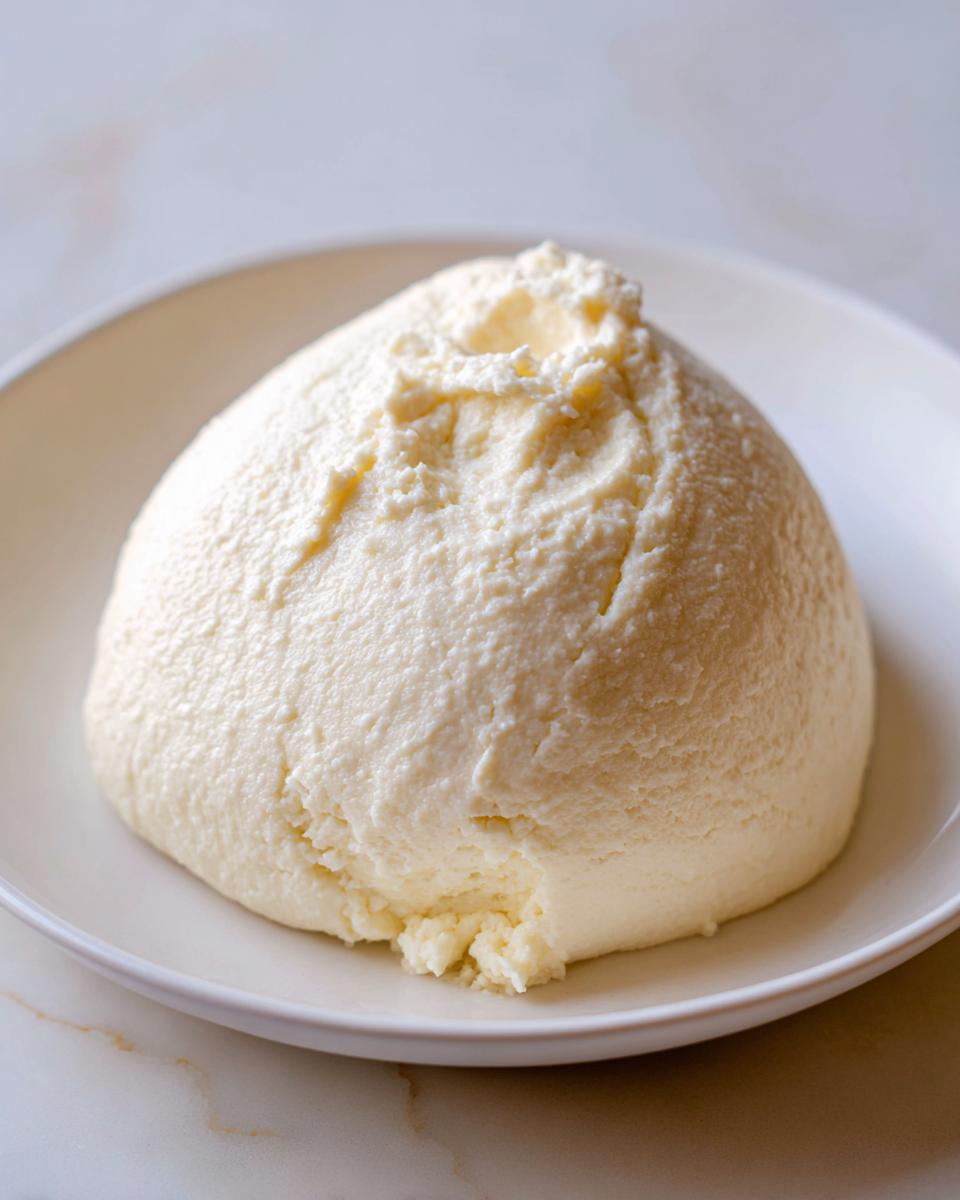
Remember that the best way to enjoy this is authentically, by hand! It’s so much more satisfying than using cutlery. To eat, you pinch off a manageable piece, use your thumb to gently create a small indentation, and then use that little cup you just made to scoop up a generous portion of your soup or stew. This is the joy of making African cuisine at home—connecting with the ritual!
Also, keep this in mind: If you have leftovers, don’t just throw them away. Wrapping the excess balls tightly and sealing them keeps great for a day or two. I always suggest plating leftovers with creamy side dishes for an easy second meal.
Best fufu Serving Suggestions and fufu and soup pairings
Okay, you have this gorgeous, soft mound of Fufu ready—now what do you give it to eat? Fufu is absolutely made to be the perfect, comforting base for anything soupy or stew-like. Without a good partner, it’s just a plain starch, lovely on its own, but it sings when paired!
The absolute classic, the pairing everyone is looking for when they search for fufu and soup pairings, is Egusi Soup. That rich, nutty flavor just clings perfectly to the dough. But don’t stop there! This works so well with so many other incredible West African food recipes. I highly recommend trying it next with Peanut Soup or a hearty vegetable stew. You can check out my favorite soup recipes over here—though perhaps skip the Zuppa Toscana for this one and stick to traditional flavors!

These fufu serving suggestions ensure you get the most exciting meal possible. If you are feeling adventurous, check out how others approach this classic combination over at TasteAtlas for inspiration.
Storage and Reheating Instructions for leftover fufu
The best part about making a big batch of this traditional food is that leftovers are easy to manage! Once your fufu balls have cooled slightly, you should wrap them tightly in plastic wrap or place them into an airtight container. They hold up really well in the refrigerator for a couple of days.
When you’re ready to enjoy them again, skip the microwave if you can; it tends to make them gummy. The absolute best method is steaming them gently for just a few minutes until they soften back up. If you don’t have a steamer, put them in a pot with just a tablespoon of water, cover it tightly, and heat gently over low heat, stirring until they’re pliable again. That little bit of added moisture brings them right back to life!
Frequently Asked Questions about making fufu dough
It’s normal to have questions when you’re first diving into a new cuisine, especially when it comes to something as texturally unique as Fufu. I’ve gathered the questions I get asked most often about the how to make fufu dough process so you can feel like an expert right away!
Can I use regular all-purpose flour instead of cassava or yam flour?
This is the question I hear all the time! While you technically *can* use all-purpose flour in a pinch, I really wouldn’t recommend it for an authentic fufu preparation. All-purpose flour behaves differently; it tends to become too gluey and dense, and it won’t give you that signature soft, pliable bounce that makes these African swallow dishes so satisfying. Stick to cassava or yam flour for the best results.
My fufu turned out sticky and lumpy—what went wrong?
Oh, don’t worry, we’ve all been there! Stickiness usually happens for two reasons, which relates directly to my smooth fufu texture tips. First, you didn’t stir vigorously enough when you first added the flour to the hot water. Second, you didn’t cook it long enough. That 5 to 8 minutes of constant stirring and folding is necessary to cook out the raw starch and create that firm dough structure. If you’re curious about other variations, you can check out a guide to plantain fufu guide to see other options!
What is fufu traditionally eaten with?
Honestly, Fufu is the perfect companion for anything that swims in soup or stew! The most famous match is definitely Egusi Soup—the nutty savoriness is unparalleled with the dough. But it’s fantastic with light soups or hearty peanut stew as well. We want that delicious soup carried right to our mouths thanks to the Fufu! For more background on what this staple is, you can read a great overview here.
Estimating Nutrition for this Comforting African Meal
It’s always lovely to know what we are putting into our bodies, even when we’re enjoying hearty, comforting African meals. Please remember, these figures are estimates based strictly on the Cassava Flour recipe without added salt. If you use different brands or add extra seasoning, your final macros will shift a little.
- Serving Size: 1 ball
- Calories: 250
- Total Fat: 0.2g
- Carbohydrates: 58g
- Protein: 1.5g
Since this dish is naturally quite pure—mostly starch—it’s low in fat and cholesterol. It’s a fantastic, filling component to your overall plate!
Share Your Homemade fufu Experience
And just like that, we’ve arrived at the best part! Unfolding this recipe in your own kitchen and sharing this beautiful piece of West African tradition with your family is truly why I love what I do here at Unfold Recipes. I desperately want to know how it went for you!
Did you manage to get that wonderfully smooth texture? Were you tempted to use a little extra water, or did you stick to the formula and manage that vigorous stirring? Please, don’t be shy—head down to the comments section and leave a rating or any little tips you discovered while making this satisfying batch of fufu.
If you’ve shared a picture of your beautiful mound resting next to some Egusi or Peanut Soup, I’d be thrilled to see it! Tag me on Instagram so I can celebrate your success. It warms my heart to see these dishes making their way into your home cooks. If you need anything else or have more questions, my inbox is always open over at the Contact Page. Happy cooking, and thank you for unwrapping this story with me!
If you want to show off your finished creation, you can tag me using this inspiration here!
PrintEasy & Authentic West African Fufu for Beginners
Learn how to make smooth, pliable Fufu using simple flour methods. This staple West African food is comforting and pairs perfectly with your favorite soups and stews.
- Prep Time: 5 min
- Cook Time: 10 min
- Total Time: 15 min
- Yield: 4 servings 1x
- Category: Main Dish
- Method: Stovetop Cooking
- Cuisine: West African
- Diet: Vegetarian
Ingredients
- 2 cups Cassava Flour (or Yam Flour)
- 3 cups Water
- 1/2 teaspoon Salt (optional)
Instructions
- Measure the water into a medium saucepan and bring it to a boil over medium-high heat. Add salt if you are using it.
- Once the water is boiling, reduce the heat to low.
- Slowly sprinkle about 1/4 cup of the flour into the hot water while stirring constantly with a wooden spoon or spatula. This prevents lumps from forming.
- Continue adding the flour gradually, stirring vigorously and continuously to incorporate it fully into the water. The mixture will start to thicken quickly.
- Once all the flour is added, increase the heat slightly to medium-low. Continue stirring and folding the mixture vigorously for about 5 to 8 minutes. You are aiming for a smooth, firm, and elastic dough consistency.
- If the dough seems too soft, add a tablespoon of flour at a time while stirring until it pulls away cleanly from the sides of the pot.
- Remove the Fufu from the heat. Cover the pot and let it steam for 2 minutes.
- Wet your hands slightly and mold the Fufu into smooth, round balls.
- Serve immediately with Egusi Soup, Peanut Soup, or your preferred African stew.
Notes
- For a smoother texture, sift your flour before adding it to the water.
- Use a sturdy wooden spoon or spatula for stirring, as the dough becomes quite stiff.
- To achieve the classic stretchy texture, continue stirring and folding the dough vigorously during the cooking process.
- Fufu is traditionally eaten by hand; pinch off a small piece, make an indentation with your thumb, and scoop up the soup.
Nutrition
- Serving Size: 1 ball
- Calories: 250
- Sugar: 0.5
- Sodium: 15
- Fat: 0.2
- Saturated Fat: 0.1
- Unsaturated Fat: 0.1
- Trans Fat: 0
- Carbohydrates: 58
- Fiber: 2
- Protein: 1.5
- Cholesterol: 0