
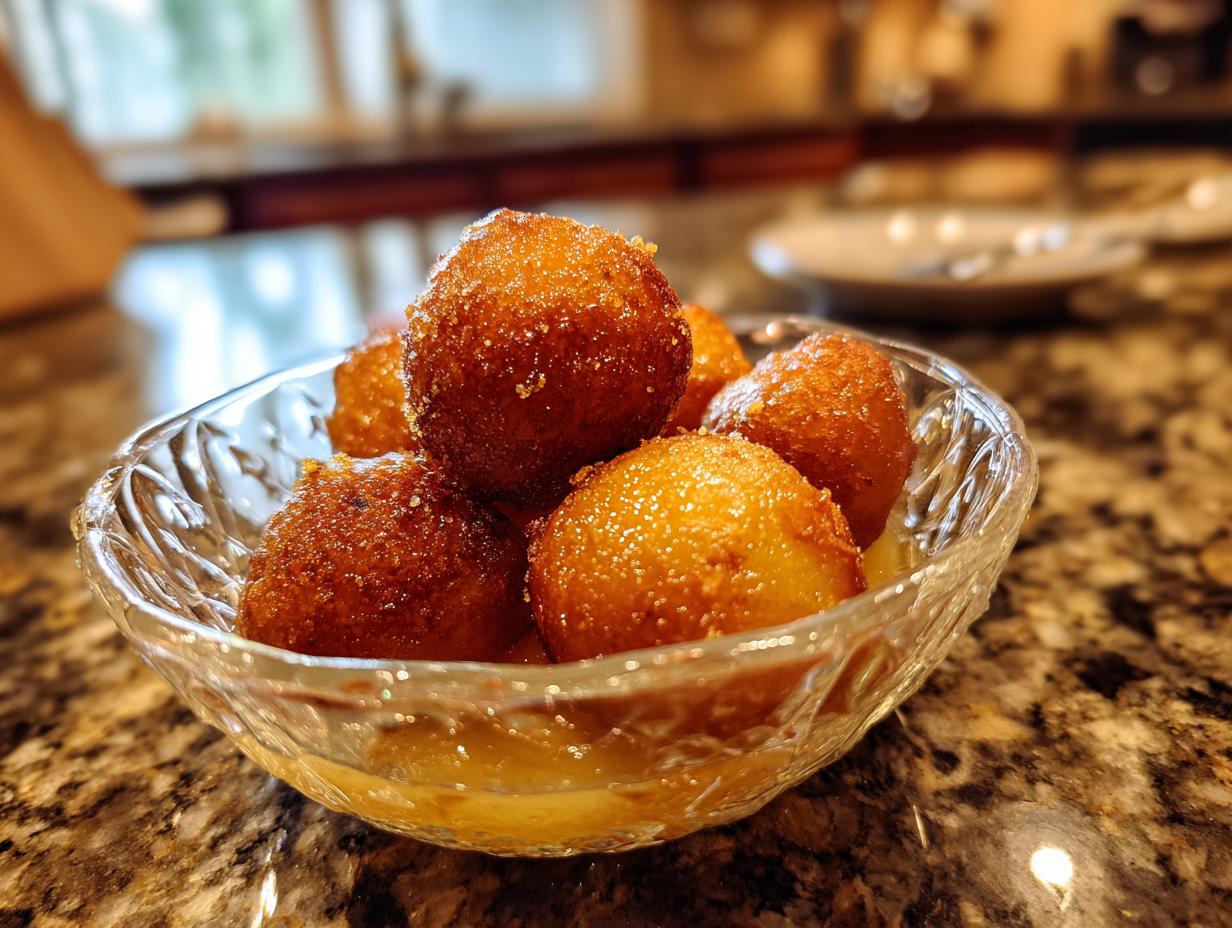

Diwali is such a special time, isn’t it? The lights, the family, and of course, the incredible food! For me, it’s not truly Diwali without a plate piled high with sweet, syrup-soaked Gulab Jamun. This classic Indian dessert is just pure joy in every bite. Making it at home might sound intimidating, but trust me, this recipe is totally doable and brings that authentic, melt-in-your-mouth goodness straight to your kitchen. Growing up, the aroma of cardamom and sweet syrup filling the house instantly meant celebration, and I’m so excited to share this tradition with you!
- Why You'll Love This Traditional Gulab Jamun Recipe
- Ingredients for Authentic Gulab Jamun
- How to Prepare Gulab Jamun: Step-by-Step Guide
- Tips for Perfect Gulab Jamun Every Time
- Ingredient Spotlight: The Magic of Khoya
- Serving and Storing Your Delicious Gulab Jamun
- Frequently Asked Questions about Gulab Jamun
- Nutritional Information
Why You’ll Love This Traditional Gulab Jamun Recipe
Seriously, why wouldn’t you want to whip up these little balls of happiness? Here’s why this recipe is a total winner:
- Super Easy to Make: Even if you’re a beginner, you can totally nail this!
- Authentic Taste: It tastes just like the Gulab Jamun you get at celebrations.
- Perfect for Diwali: It’s the quintessential sweet for your festive table.
- So Satisfying: There’s something really special about making this beloved treat from scratch.
Ingredients for Authentic Gulab Jamun
Okay, let’s talk about what you’ll need to make these gorgeous little sweet treasures. Getting the ingredients right is key to that authentic taste we love! You’ll need some grated khoya – that’s dried milk solids, kind of the heart and soul of good Gulab Jamun. About 2 cups should do it. Then, we’ll add a half cup of all-purpose flour for structure, a tiny pinch of baking soda – just a quarter teaspoon, mind you! – and a quarter teaspoon of cardamom powder for that lovely perfume. A tablespoon of ghee really helps bind it all together. And of course, you’ll need oil for frying!
Now, for the sweet, syrupy bath: You’ll want 2 cups of sugar and 1 cup of water. To make it extra special, a half teaspoon of rose water is divine, and a few saffron strands, if you have them, add a beautiful color and aroma. Those are all the players in this delicious game!
How to Prepare Gulab Jamun: Step-by-Step Guide
Alright, let’s get down to the fun part – making these little flavor bombs! It’s really not as complicated as it might seem. Just follow these steps, and you’ll be enjoying the most delicious, authentic Gulab Jamun you’ve ever tasted. It’s a straightforward process, and the results are totally worth it, especially when you see those happy faces around the Diwali table.
Making the Gulab Jamun Dough
First things first, grab a nice big bowl. We’re going to combine our grated khoya, the all-purpose flour, that little bit of baking soda, the cardamom powder, and the ghee. Now, gently knead it all together. You don’t want to overwork it, just bring it together until it’s a lovely, smooth dough. If it feels a bit too dry and crumbly, don’t panic! Just add in a teaspoon of milk, little by little, until it comes together perfectly. It should feel soft and pliable, not sticky.
Shaping the Gulab Jamun Balls
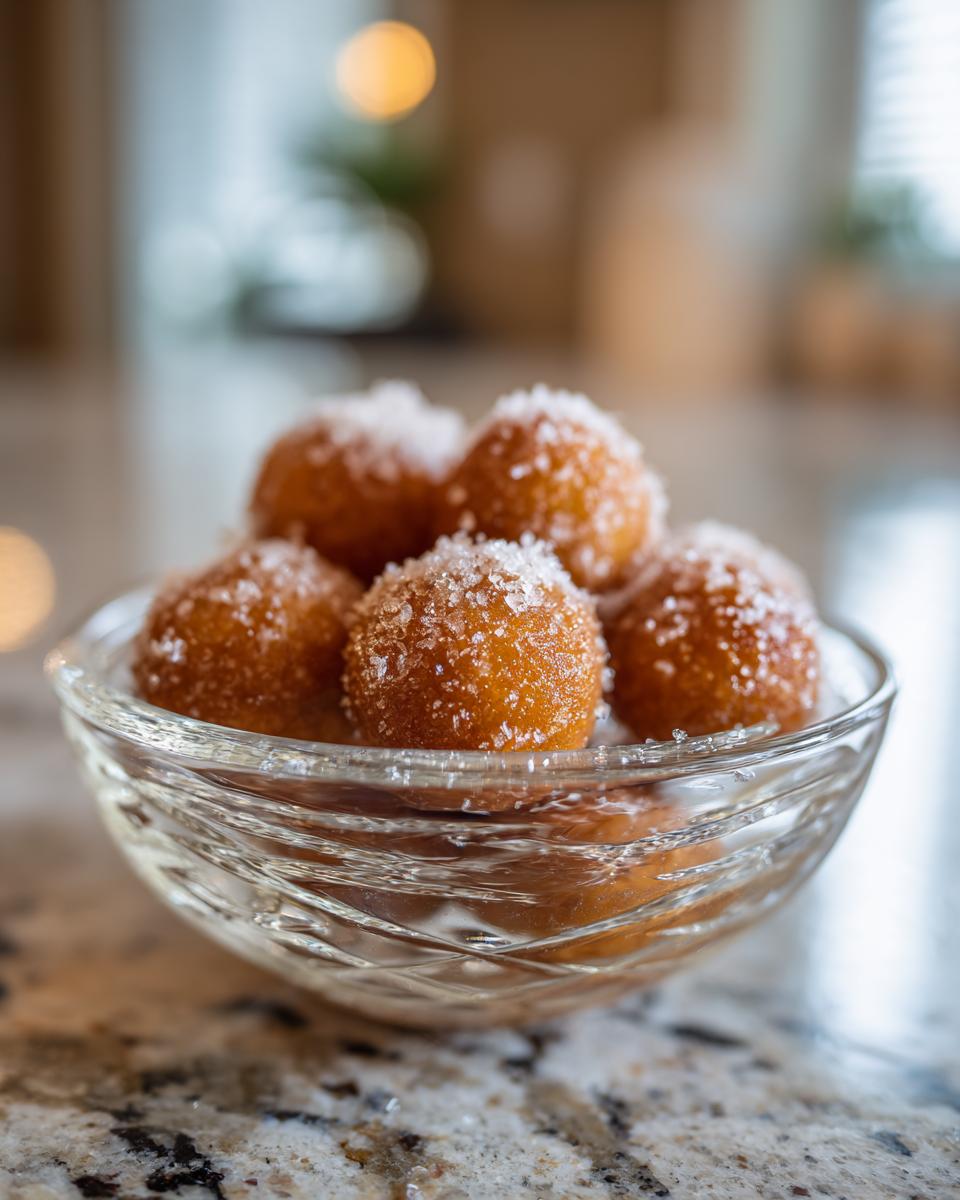
Once your dough is ready, it’s time to get your hands busy shaping! Divide the dough into small little portions. I usually aim for about the size of a large marble or a small walnut. Then, just gently roll each portion between your palms to form smooth, round balls. Make sure there are no cracks! The smoother they are, the better they’ll fry and soak up all that delicious syrup. Try to keep them all about the same size so they cook evenly.
Frying the Gulab Jamun
This is where things get exciting! Heat up some oil in a deep pan or kadai over medium heat. You don’t want it smoking hot, or the outside will burn before the inside cooks. A good tip from my mom is to drop a tiny bit of dough in; if it sizzles gently and floats up, your oil is just right. Now, carefully, and I stress *carefully*, drop a few gulab jamun balls into the hot oil. Don’t overcrowd the pan – this is super important! Fry them in batches so the oil temperature stays steady and they cook evenly to a beautiful golden brown color on all sides. Give them a gentle nudge with a slotted spoon to make sure they brown all over.
Preparing the Sugar Syrup
While your gulab jamuns are doing their thing in the oil, let’s get that sweet syrup ready. In a separate saucepan, combine the 2 cups of sugar and 1 cup of water. Heat it up over medium heat, stirring gently until the sugar completely dissolves. Once it’s clear, let it simmer for just a couple of minutes. We’re not making a thick caramel here, just a nice, light syrup. Stir in that fragrant rose water and your saffron strands (if you’re using them) for that extra special touch. It should just be warm when the gulab jamuns are ready for their bath.
Soaking the Gulab Jamun in Syrup
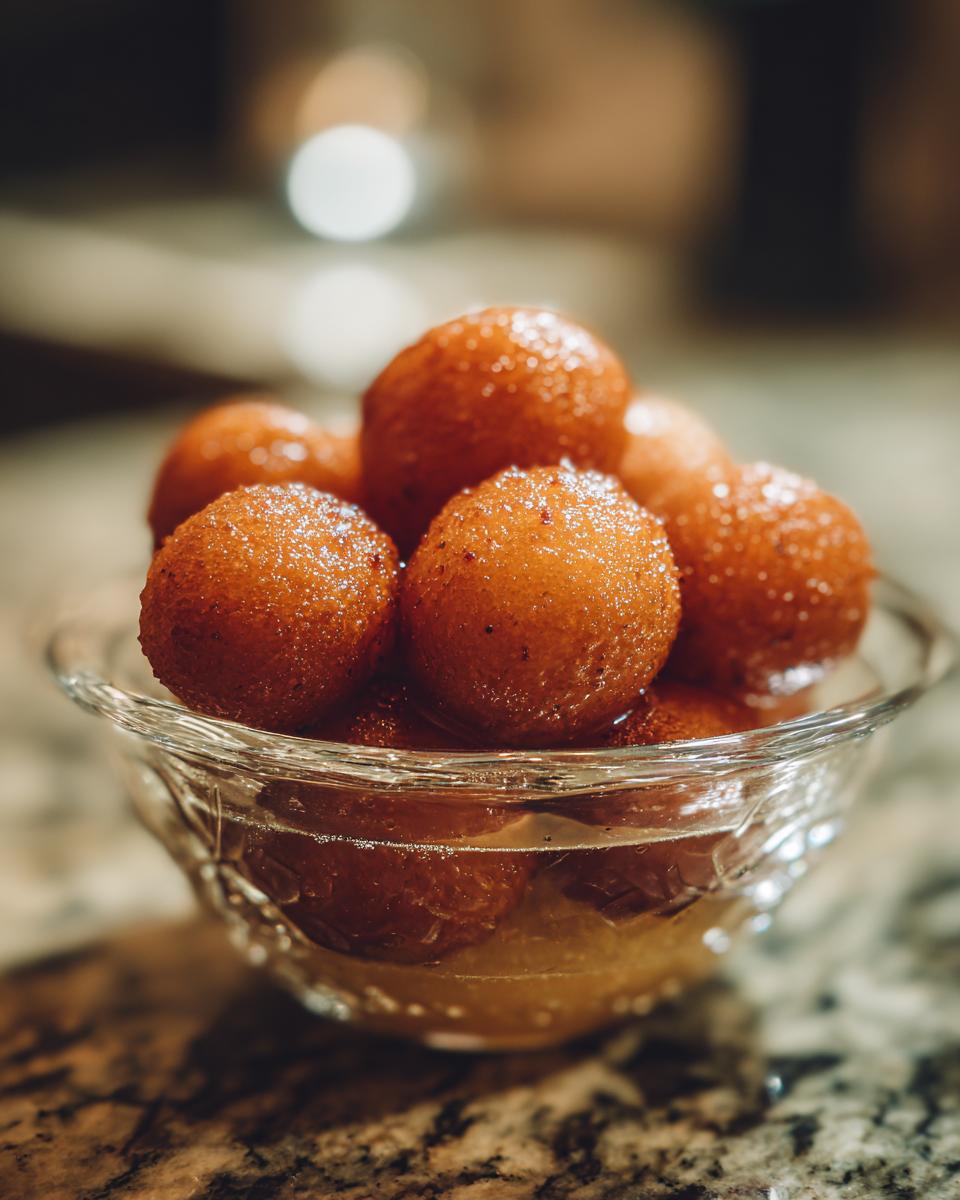
Okay, this is the grand finale for these sweet treats! As soon as those golden gulab jamuns come out of the frying oil, immediately – and I mean, right away – gently place them into the warm sugar syrup. Let them soak in there for at least 30 minutes. This is crucial for them to absorb all that lovely sweetness and become delightfully soft and syrupy. You’ll see them plump up a bit as they soak. Trust me, the wait is torture, but so worth it!
Tips for Perfect Gulab Jamun Every Time
You know, even with the best recipe, sometimes things can go a little sideways. But don’t you worry! I’ve learned a few tricks over the years that make sure my Gulab Jamuns turn out perfectly plump and syrupy every single time. First off, the quality of your khoya really makes a difference, so try to get the freshest stuff you can find. And when you’re frying, remember my mom’s advice: don’t rush it! Keep that oil at a medium temperature and fry in small batches. This lets them cook through without getting weird crunchy bits. That sugar syrup should be warm, not boiling hot, when you add the fried balls – this helps them soak up the syrup beautifully without falling apart. If you ever feel unsure, just check out my blog for more tips!
Ingredient Spotlight: The Magic of Khoya
So, what exactly is this ‘khoya’ magic? Khoya is basically dried, reduced milk solids. Think of it like intensely concentrated milk that’s been simmered down until it’s a thick, dough-like paste. It’s the absolute soul of traditional Gulab Jamun, giving it that rich, melt-in-your-mouth texture that’s just divine. You can usually find good quality khoya at Indian grocery stores. If you want to try making it yourself, it involves slowly simmering milk for hours until it reduces down, but honestly, picking some up from a good store is usually easier and works beautifully for this recipe!
Serving and Storing Your Delicious Gulab Jamun
These beautiful Gulab Jamuns are just delightful served slightly warm or at room temperature after they’ve had a good soak in that fragrant syrup. I love to sprinkle a few extra saffron strands on top, or even a sliver of pistachio, for a little something special. If you happen to have any leftovers – which is rare in my house! – just pop them into an airtight container. They’ll keep nicely in the fridge for about 3-4 days. To enjoy them again, just gently warm them on the stove or in the microwave for a few seconds. You can find more of my sweet treats and dessert ideas over on my desserts page!
Frequently Asked Questions about Gulab Jamun
Got questions about making this traditional Diwali sweet? I’ve got you covered! It’s totally normal to have a few queries when you’re trying a new recipe, especially one as cherished as Gulab Jamun. Let’s tackle some of the most common things people ask so you can make the best, truly authentic Gulab Jamun right in your own kitchen!
Can I use milk powder instead of khoya for Gulab Jamun?
Yes, you absolutely can use milk powder! If you can’t find khoya, milk powder is a fantastic substitute. You’ll want to use about 1.5 cups of milk powder, mix it with like, 3-4 tablespoons of milk and a tablespoon of ghee until it forms a dough. It won’t have quite the same richness as khoya, but it makes a really delicious and totally acceptable Gulab Jamun!
Why did my Gulab Jamun break while frying?
Oh, the dreaded Gulab Jamun breakout! This usually happens for a couple of reasons. If your dough was too soft or too crumbly, it might not hold together. Make sure it’s a nice, smooth, pliable dough. The other big culprit is oil that’s too hot. If the oil is too hot, the outside cooks way too fast and hardens, while the inside is still soft and can break apart. Fry them gently over medium heat!
How long can I store homemade Gulab Jamun?
Homemade Gulab Jamun are best enjoyed within 3-4 days. Just pop them into an airtight container and keep them in the refrigerator. They might firm up a bit in the fridge, but you can gently warm them up before serving if you like. Honestly, though, they usually disappear way faster than that!
Nutritional Information
You know, when I make these delightful Gulab Jamun, I’m usually not thinking too much about the numbers, but it’s good to have an idea! Roughly, a serving (about 2-3 pieces) has around 250 calories, 15g of fat, and about 30g of sugar. They’ve also got about 35g of carbs and a little bit of protein. Please remember these are just estimates – the exact amounts can change depending on sizes and stuff. But hey, for such a beloved celebration sweet, it’s absolutely worth it!
Print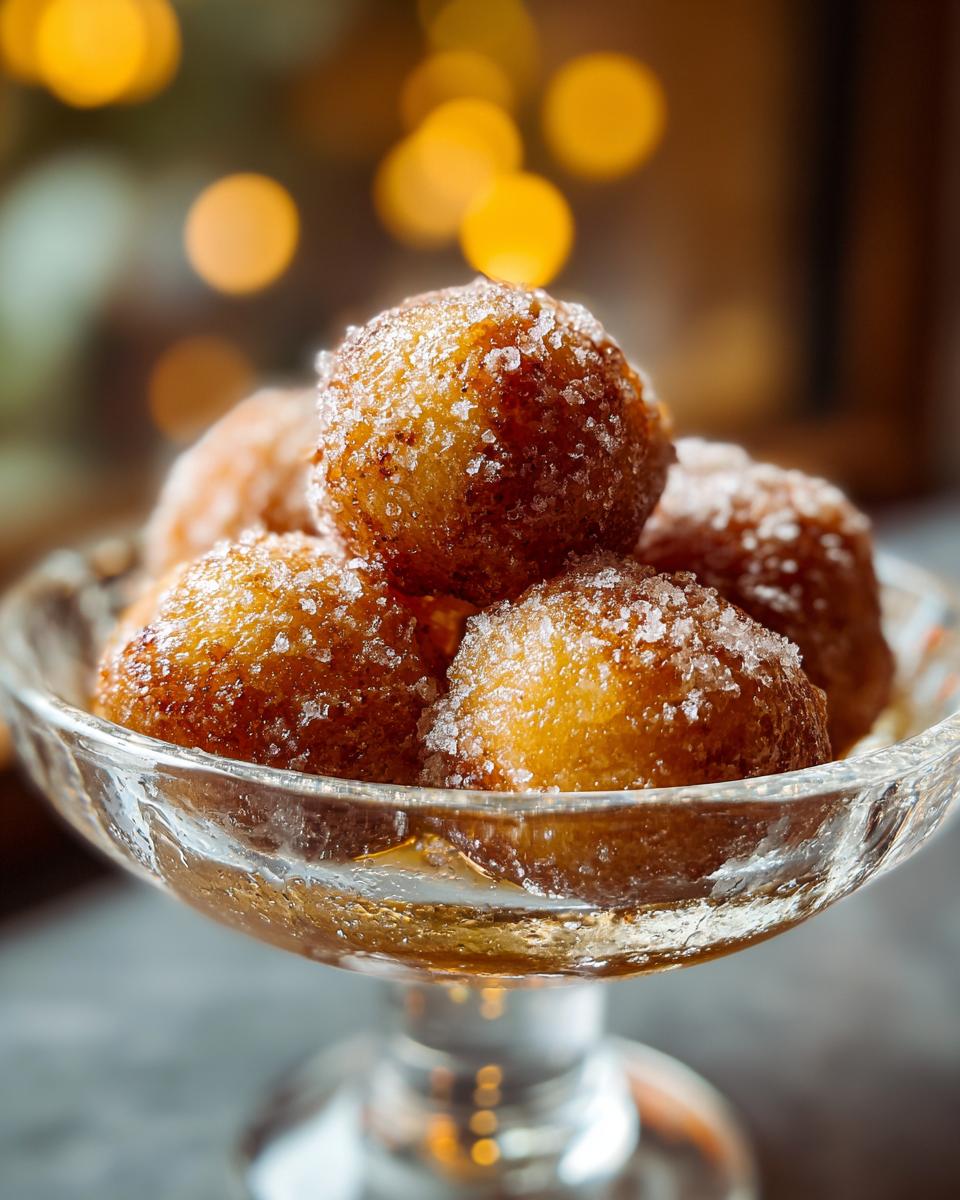
Gulab Jamun Recipe
A traditional recipe for Gulab Jamun, a popular Indian sweet, perfect for Diwali celebrations.
- Prep Time: 20 min
- Cook Time: 30 min
- Total Time: 50 min
- Yield: 20-25 gulab jamuns 1x
- Category: Dessert
- Method: Frying
- Cuisine: Indian
- Diet: Vegetarian
Ingredients
- 2 cups khoya (milk solids), grated
- 1/2 cup all-purpose flour
- 1/4 teaspoon baking soda
- 1/4 teaspoon cardamom powder
- 1 tablespoon ghee
- Oil for deep frying
- For the sugar syrup:
- 2 cups sugar
- 1 cup water
- 1/2 teaspoon rose water
- A few saffron strands (optional)
Instructions
- In a bowl, combine grated khoya, all-purpose flour, baking soda, cardamom powder, and ghee.
- Knead into a smooth dough. If the dough is too dry, add a teaspoon of milk.
- Divide the dough into small portions and shape them into smooth balls.
- Heat oil in a deep pan over medium heat.
- Carefully drop the gulab jamun balls into the hot oil and fry until golden brown on all sides. Fry in batches to maintain oil temperature.
- While the gulab jamuns are frying, prepare the sugar syrup.
- In a separate pan, combine sugar and water. Heat until the sugar dissolves completely.
- Add rose water and saffron strands to the syrup and simmer for 2-3 minutes.
- Once fried, drain the gulab jamuns and immediately immerse them in the warm sugar syrup.
- Let the gulab jamuns soak in the syrup for at least 30 minutes before serving.
Notes
- Ensure the khoya is fresh for best results.
- Do not overcrowd the pan when frying gulab jamuns.
- The sugar syrup should be warm, not hot, when adding the fried gulab jamuns.
Nutrition
- Serving Size: 2-3 pieces
- Calories: 250
- Sugar: 30g
- Sodium: 50mg
- Fat: 15g
- Saturated Fat: 8g
- Unsaturated Fat: 7g
- Trans Fat: 0g
- Carbohydrates: 35g
- Fiber: 1g
- Protein: 5g
- Cholesterol: 30mg