
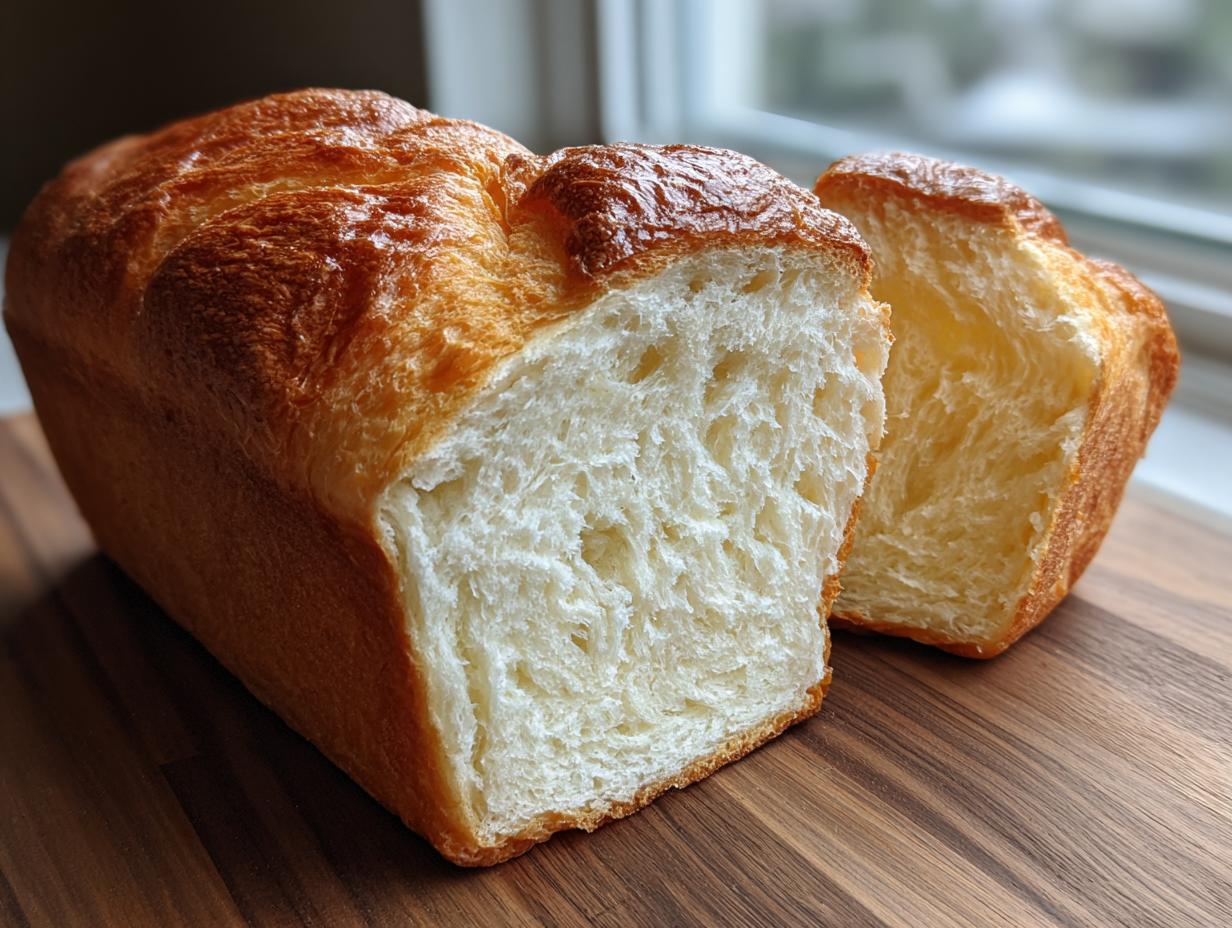

Oh, home bakers, have you ever just craved bread that feels like it’s made of spun clouds? That perfect, slightly sweet, pillowy softness that makes you close your eyes after the first bite? Well, listen to me, because I’ve unlocked the secret to achieving that bakery-level perfection right here at home. We are diving deep into the Japanese Milk Bread, known lovingly as Shokupan. The reason this recipe stands head and shoulders above the rest is that gorgeous little technique called Tangzhong, which is the key to that signature, unbelievably soft, cloud-like texture. Mastering this method was such a joyful moment for me; it’s where my culinary training really clicked with what I love to share—approachable elegance that tastes incredible. If you love seeing what else we share in the kitchen, feel free to browse around! Get ready to be amazed by your own baking!
- Why This is the Best Japanese Milk Bread Recipe You Will Ever Make
- Gathering Ingredients for Authentic Japanese Milk Bread (Shokupan)
- Step-by-Step Instructions: How to Make Tangzhong Method Bread
- Tips for a Foolproof Japanese Milk Bread Success
- Variations: From Loaf to Milk Bread Rolls Recipe
- Serving Suggestions for Your Tender Sandwich Bread
- Storage and Keeping Your Japanese Milk Bread Fresh
- Frequently Asked Questions About Shokupan Tutorial
- Nutritional Estimates for this Buttery Soft Milk Bread
- Share Your Experience Making This Japanese Milk Bread
Why This is the Best Japanese Milk Bread Recipe You Will Ever Make
I’ve tried countless bread recipes over the years, but this one truly hits different. What makes this Japanese Milk Bread Recipe the best? It’s the combination of superior moisture retention and that unmistakable, rich, buttery softness that lasts for days. While many recipes promise results, this one delivers that melt-in-your-mouth feel every single time. It’s truly the softest bread loaf you’ll ever bake from scratch.
Achieving the Signature Cloud Bread Texture
The secret, honestly, relies entirely on the Tangzhong method. It’s such a straightforward technique, really! By cooking a small portion of the flour and liquid first, we gelatinize the starch. This allows the dough to hold onto so much more water than usual, giving you that incredible, resilient, cloud bread texture you see in professional bakeries. It locks in the tenderness!

Gathering Ingredients for Authentic Japanese Milk Bread (Shokupan)
When we talk about achieving that truly authentic, buttery soft Milk Bread, the ingredients matter a great deal. This recipe uses bread flour twice, which might look unusual, but trust me, it’s essential for the structure we are building for our Japanese Milk Bread loaf. We want you to succeed, so pay close attention to the details, especially keeping the liquids cold!
Ingredients for the Tangzhong Starter
This is the heart of the soft texture, so measure these parts exactly right. Don’t skip this step; it’s worth every second!
- 100g Bread Flour
- 250ml Water (Yes, 250ml, not all the milk!)
Ingredients for the Main Japanese Milk Bread Dough
Once your starter is ready and cooled, we bring in the rest of the goodness. The cold milk and cream help keep the dough from getting sticky too quickly while mixing.
- 500g Bread Flour
- 60g Granulated Sugar
- 1 teaspoon Instant Dry Yeast
- 1 teaspoon Fine Sea Salt
- 1 large Egg, lightly beaten
- 120ml Whole Milk, cold
- 60ml Heavy Cream, cold
- 40g Unsalted Butter, softened
- 1 batch Tangzhong (the paste you made above!)
We’re going to use this list to create the fluffiest bread of your life. If you’re looking for other wonderful comfort recipes to keep your kitchen busy, you might enjoy this hearty chicken gnocchi soup while your dough rises!
Step-by-Step Instructions: How to Make Tangzhong Method Bread
Okay, deep breaths! The Tangzhong Method Bread journey starts here, and while it sounds technical, I promise it’s straightforward. The goal is precision in this first stage so that the main dough can become the fluffy homemade bread we dream about. Getting the Tangzhong right makes all the difference in achieving that perfect, pillowy texture.
Preparing the Tangzhong
Start by whisking that small portion of flour and water together in a saucepan until you have no lumps. Set it over medium-low heat. Now, you must stir constantly—don’t walk away! We are looking for it to thicken up into a paste, kind of like thick pudding. The key moment is when it hits 65°C (149°F). Once it’s thick, immediately yank it off the heat. This is important: place a piece of plastic wrap right on top, touching the surface of the paste. This stops that awful dry skin from forming while it cools completely down to room temperature. Seriously, let it chill out before moving on.
Mixing and Kneading the Pillowy Soft Bread Dough
Once your Tangzhong is cool—and I mean totally cool—it’s time for the mixer! Toss in all your dry ingredients first: the main flour, sugar, yeast, and salt. Then, add the cooled Tangzhong, the milk, cream, and egg. Mix slowly until it just comes together. Now, add the softened butter, one small knob at a time, mixing well after each addition. This is where the magic happens, but it takes time! Knead for about 5 to 7 minutes before the butter, and then another solid 10 to 15 minutes after. You need that perfect dough that passes the windowpane test—stretch a small piece thin enough to let light through without tearing. That means the gluten is wonderfully developed!
Proofing and Shaping Your Japanese Milk Bread Loaf
Pop your shaggy, elastic dough into an oiled bowl, cover it up, and let it rest somewhere cozy until it doubles. That usually takes about an hour and a half. Once risen, gently punch it down. Divide it neatly into three equal pieces. Roll each piece into a tight little log—think tight little sausages—and place them side-by-side in your greased 9×5 pan. Seam-side down, please! Cover it again and let it have its second nap. We want it to puff up so proud that it crests about an inch over the top edge of the pan. Don’t rush this second proof!

Baking and Cooling the Japanese Milk Bread
Preheat your oven to 175°C (350°F). Bake the loaf for about 30 to 35 minutes. Keep an eye on that beautiful golden top—if it starts looking too dark halfway through, toss a piece of foil over it loosely. When the internal temperature hits 93°C (200°F), it’s done! But here is the absolute final rule for a perfect texture: get it out of that pan immediately! Let it cool completely on a wire rack. Slicing it while warm will totally crush that gorgeous, airy structure we worked so hard to build. If you want to see an amazing dessert that uses some similar techniques for texture, check out my recipe for chocolate cupcakes!
Tips for a Foolproof Japanese Milk Bread Success
Even with the most detailed recipe, bread baking can sometimes throw you a curveball! But that’s okay—that’s what experience is for. I want to set you up for a truly foolproof Milk Bread experience, so let’s talk about the little adjustments that make all the difference in achieving that unbelievably tender crumb. Remember, every baker has had a sticky dough moment, but these tips will help you avoid the classic pitfalls when making Shokupan.
Stand Mixer Recommendation for Kneading
I know some of you love kneading by hand, and honestly, I respect that dedication! However, for this specific **Japanese Milk Bread Recipe**, I have to steer you toward a stand mixer if you have one. Why? Because we need that extensive kneading after adding the butter—that solid 10 to 15 minutes—to fully develop the gluten structure. That strong gluten network is what traps the gases and moisture, leading directly to that incredible softness. Trying to achieve that level of development manually can turn into a marathon, and frankly, your arms will thank you for letting the machine work the dough until that perfect windowpane stage is achieved.
Understanding the ‘Yudane Bread Baking’ Alternative
You might hear people talk about ‘Yudane’ when discussing soft bread, and I want to clarify that’s another fantastic, related technique. For this recipe, we are using the Tangzhong method, which uses just water to create the paste. The Yudane method, on the other hand, uses hot milk or hot water poured over the flour. Both techniques serve the exact same beautiful purpose: hydrating the starches to create an incredibly moist homemade loaf that stays fresh. Don’t feel limited; if you want to try Yudane next time, the results will be nearly as lovely! People exploring alternatives sometimes look into variations like Japanese Milk Bread Rolls, which follow the same starter principle.
If you are making anything else savory this week, perhaps my recipe for stuffed mushrooms would be a lovely side dish!
Variations: From Loaf to Milk Bread Rolls Recipe
The beauty of mastering the Tangzhong base is that you can pivot so easily! While the tall, glorious Shokupan loaf is stunning on the counter, sometimes you want something quicker, or maybe something perfect for tossing into a lunchbox. This dough is wonderfully versatile.
If you want to pivot to Milk Bread Rolls Recipe options, the process is really simple after the first proof. Once your dough has doubled, instead of rolling it into three tight logs for the loaf pan, you’ll gently deflate it and divide it into equal portions—I usually shoot for about 12 nice-sized pieces. Just roll each portion into a smooth, tight ball. You want the outside surface pulled taut for a pretty round top later.

Place those little balls right next to each other in a greased 9×13 inch pan. They will puff up and kiss each other during the second proof, creating those soft, pull-apart sides! It’s almost like making cinnamon rolls, but without the filling, focusing purely on that ultra-soft crumb. If you enjoy making pull-apart style breads, you absolutely have to try my recipe for gooey caramel cinnamon monkey bread next!
For more guidance on shaping small buns, another home baker I admire has a great resource on sweet rolls just like these over at Kirbie’s Cravings. Just remember, whether you bake it tall or round, use the same temperature and general timing as the loaf because the dough volume is quite similar!
Serving Suggestions for Your Tender Sandwich Bread
Now for the best part: eating it! Because this Japanese Milk Bread is so rich, buttery, and incredibly airy, it performs beautifully in ways that standard sandwich bread just can’t manage. Seriously, once you slice into this golden loaf, you’ll understand why people talk about it for weeks afterwards.

The main event, of course, is using it for sandwiches. The slight sweetness and melt-in-your-mouth texture elevate even the simplest lunch. Think about piling it high with turkey and greens, or making the most decadent, buttery grilled cheese imaginable. This dough is sturdy enough to hold up to fillings, but tender enough that it doesn’t resist when you bite into it. It’s the definition of a tender sandwich bread!
But please, do not limit yourself to lunch! When this loaf is toasted (lightly, please, we don’t want to crush that crumb!), it’s just divine with some high-quality salted butter and jam. And if you’re having people over and need a show-stopping appetizer, this bread is the perfect companion for dipping. It’s amazing alongside a rich, creamy dip, like my absolute favorite French Onion Dip. The slight sweetness of the bread balances the savory tang of the dip perfectly. Enjoy every soft, glorious slice!
Storage and Keeping Your Japanese Milk Bread Fresh
One of the biggest advantages of using the Tangzhong method in your Japanese Milk Bread is that it naturally extends the shelf life of your loaf. That’s right—your beautiful Shokupan stays moist and tender much longer than a standard, lean French loaf! This means less waste and more time enjoying that perfect, buttery softness.
But how should you store it? This is crucial for preserving that cloud-like texture. My first piece of advice is always: resist the urge to refrigerate it!
Room Temperature is Your Friend
For best results during the first couple of days, you want to keep the loaf completely sealed at room temperature. Once the bread is totally cool—and remember, *totally* cool—wrap it tightly in plastic wrap first. I like to wrap it in plastic wrap and then slide that whole package into an airtight bread box or a large zip-top bag. This traps every bit of the moisture that the Tangzhong worked so hard to create. If you are only baking for one or two people, slicing what you plan to eat over the next two days and keeping the rest whole is the way to go.
If you happen to have a super humid kitchen, you might notice a slight stickiness if you wrap it too tightly right away, so be sure it’s fully cooled for at least an hour before wrapping tight. If you are making a quick loaf that you know won’t last long, perhaps something like my moist pumpkin bread, room temperature storage will be great!
When Freezing Becomes Necessary
If you know you won’t devour your loaf within three days, the freezer is your best friend. Freezing bread halts the staling process perfectly. Slice the loaf *before* you freeze it—this is so smart because you can pull out just one or two slices whenever you need them! Wrap the individual slices tightly in plastic wrap, then perhaps throw them into a large freezer bag for extra protection against freezer burn.
When you want a slice, just pop it straight into the toaster, or let it thaw on the counter for about 15 minutes. It reappears soft and ready to eat! But please, please, never keep this delicate bread in the fridge uncovered. Cold temperatures break down the starches much faster than freezing, and you’ll end up with a surprisingly dry loaf.
Frequently Asked Questions About Shokupan Tutorial
Oh, I know tackling a recipe like this for the first time can bring up a few questions! That’s totally normal. We want your journey into making this fluffy homemade bread to be smooth sailing. Here are a few things I hear often from bakers looking to master their Shokupan Tutorial.
What is the difference between Tangzhong and Yudane for this Japanese Milk Bread Recipe?
This is a fantastic question, as they sound so similar! We chose the Tangzhong method for this specific Japanese Milk Bread Recipe because it uses just water to create what we call a ‘water roux.’ You cook flour and water until it forms a smooth paste. The Yudane method is a close cousin; instead of cooking the flour and water, you pour *hot liquid* (usually milk or hot water mixed with some flour) over the flour and let it sit to hydrate. Both methods achieve that incredible moisture retention and softness we are aiming for—it just comes down to which technique you prefer! Our recipe uses Tangzhong for proven results.
Can I make this Hokkaido Milk Bread without a stand mixer?
Yes, you absolutely can! I love that people are willing to put in the elbow grease for a truly amazing loaf. However, I need to be upfront: achieving the perfect windowpane test—which is *necessary* for this famously soft Hokkaido Milk Bread—requires extensive kneading after you add all the butter. Plan on kneading by hand for a good 25 to 30 minutes total. It’s a workout, but when that dough finally stretches thin enough to see light through it, wow, is it worth the effort. Just take breaks if you need to, but don’t stop until you feel that structure!
Why is my Shokupan Tutorial loaf dense instead of pillowy soft?
If your loaf came out dense instead of light and airy, nine times out of ten, it comes down to two main culprits in the Shokupan Tutorial process. First, you probably stopped kneading too soon and didn’t achieve that full gluten development indicated by a successful windowpane test. The dough needs to be strong! Second, and just as common, is opening the oven door too early during the bake. That rush of cool air can make the beautiful structure you built collapse instantly. Make sure you wait until the bread is near the end of its expected bake time before checking internally!
If you’re looking for other wonderful bakes to try after you’ve mastered this one, my recipe for pumpkin coffee cake is always a seasonal favorite around here!
Nutritional Estimates for this Buttery Soft Milk Bread
As a home cook who loves indulging in beautiful food, I also believe in being mindful of what we’re eating! I always whip up ingredient lists because I love sharing the joy of food, but I also want to offer some basic context for what goes into this incredibly rich and buttery soft Milk Bread. Please keep in mind that these numbers are just estimates. Since we are using specific brands of butter or large eggs, your final count might shift a little bit.
I developed this recipe with taste first, but here is a general guide for one slice of the final loaf, which yields about 10 to 12 slices total:
- Serving Size: 1 slice
- Calories: 210
- Fat: 6g (with 3.5g being saturated fat—that’s the pure butter goodness!)
- Carbohydrates: 34g
- Sugar: 8g (Natural sweetness from the dairy and added sugar)
- Protein: 5g
- Sodium: 180mg
It’s richer than a regular white bread, yes, but that’s because of all that glorious milk, cream, and butter that creates that unforgettable, tender mouthfeel. Honestly, when bread is this good, I’m not worried about the details; I’m just focused on enjoying the experience!
Share Your Experience Making This Japanese Milk Bread
Well, we did it! We successfully navigated the Tangzhong, we kneaded until our arms ached (or listened to the mixer!), and now you have a loaf of the most exquisitely soft, cloud bread texture you can imagine. I truly hope you are sitting there, breathing in that beautiful, slightly sweet aroma that only fresh Japanese Milk Bread can produce.
Now, I need to hear all about it! Baking is a shared experience here at Unfold Recipes, and your feedback means the world to me. Did this recipe deliver that melt-in-your-mouth tenderness you were hoping for? Did you manage to get that perfect stretch during the windowpane test? Please, please let me know in the comments below!
Nothing makes me happier than knowing I’ve helped you create beautiful, delicious food that brings comfort to your table. If you followed my guidance and succeeded with this Shokupan Tutorial, I would be so grateful if you could leave a rating for the recipe on the page. And if you snapped a photo of that gorgeous golden top or those impossibly airy slices, tag me on social media!
It inspires me so much to see your creations and know that this recipe is becoming a beloved staple in your home kitchens. Thank you for trusting me with your bakes. If you have any final questions or need a little culinary chat, don’t hesitate to reach out via my contact page. Happy baking, my friends!
PrintThe Ultimate Ultra-Soft Japanese Milk Bread (Shokupan) Using the Tangzhong Method

Master the technique for unbelievably cloud-like, pillowy soft Japanese Milk Bread. This Shokupan recipe uses the Tangzhong method to create a tender loaf that stays moist longer, perfect for sandwiches or toast.
- Prep Time: 45 min
- Cook Time: 35 min
- Total Time: 2 hr 20 min
- Yield: 1 loaf (10-12 slices) 1x
- Category: Baking
- Method: Baking
- Cuisine: Japanese
- Diet: Vegetarian
Ingredients
- 100g Bread Flour (for Tangzhong)
- 500g Bread Flour (for main dough)
- 60g Granulated Sugar
- 1 teaspoon Instant Dry Yeast
- 1 teaspoon Fine Sea Salt
- 1 large Egg, lightly beaten
- 120ml Whole Milk, cold
- 60ml Heavy Cream, cold
- 40g Unsalted Butter, softened
- 1 batch Tangzhong (see instructions below)
Instructions
- Prepare the Tangzhong: Whisk 100g bread flour and 250ml water in a small saucepan until smooth. Cook over medium-low heat, stirring constantly, until the mixture thickens to a paste, reaching 65°C (149°F). It should resemble thick pudding. Remove from heat, cover the surface directly with plastic wrap to prevent a skin from forming, and let it cool completely to room temperature.
- Combine Dry Ingredients: In the bowl of a stand mixer fitted with the dough hook, whisk together the 500g bread flour, sugar, yeast, and salt.
- Mix Wet Ingredients: Add the cooled Tangzhong, cold milk, cold heavy cream, and the beaten egg to the dry ingredients. Mix on low speed until a shaggy dough forms.
- Knead: Increase the speed to medium-low and knead for 5 to 7 minutes until the dough starts to come together and pulls away from the sides of the bowl.
- Add Butter: Add the softened butter, one piece at a time, mixing until fully incorporated before adding the next. Continue kneading for another 10 to 15 minutes. The dough must pass the windowpane test—it should stretch thin enough to see light through it without tearing. This extended kneading develops the soft texture.
- First Proof: Place the dough in a lightly oiled bowl, turning to coat. Cover and let it rise in a warm place until doubled in size, about 1 to 1.5 hours.
- Shape the Loaf: Gently deflate the dough. Divide it into three equal pieces. Roll each piece into a tight log. Place the three logs side-by-side in a greased 9×5 inch loaf pan, seam-side down.
- Second Proof: Cover the pan loosely and let it rise again in a warm spot until the dough has nearly doubled and crests about 1 inch above the rim of the pan, about 45 to 60 minutes.
- Bake: Preheat your oven to 175°C (350°F). Bake for 30 to 35 minutes, or until the top is golden brown and the internal temperature reaches 93°C (200°F). If the top browns too quickly, loosely tent it with foil.
- Cool: Immediately remove the loaf from the pan and cool completely on a wire rack before slicing. This bread is best enjoyed the day it is made for maximum fluffiness.
Notes
- For the softest bread, use a stand mixer for the extended kneading time required after adding the butter.
- This recipe makes a classic tall Shokupan loaf. For Milk Bread Rolls, divide the dough into 12 equal pieces and shape into tight balls before the second proof.
- The Tangzhong method is key to achieving that signature cloud bread texture and keeping the loaf moist for days.
Nutrition
- Serving Size: 1 slice
- Calories: 210
- Sugar: 8
- Sodium: 180
- Fat: 6
- Saturated Fat: 3.5
- Unsaturated Fat: 2.5
- Trans Fat: 0
- Carbohydrates: 34
- Fiber: 1
- Protein: 5
- Cholesterol: 35