
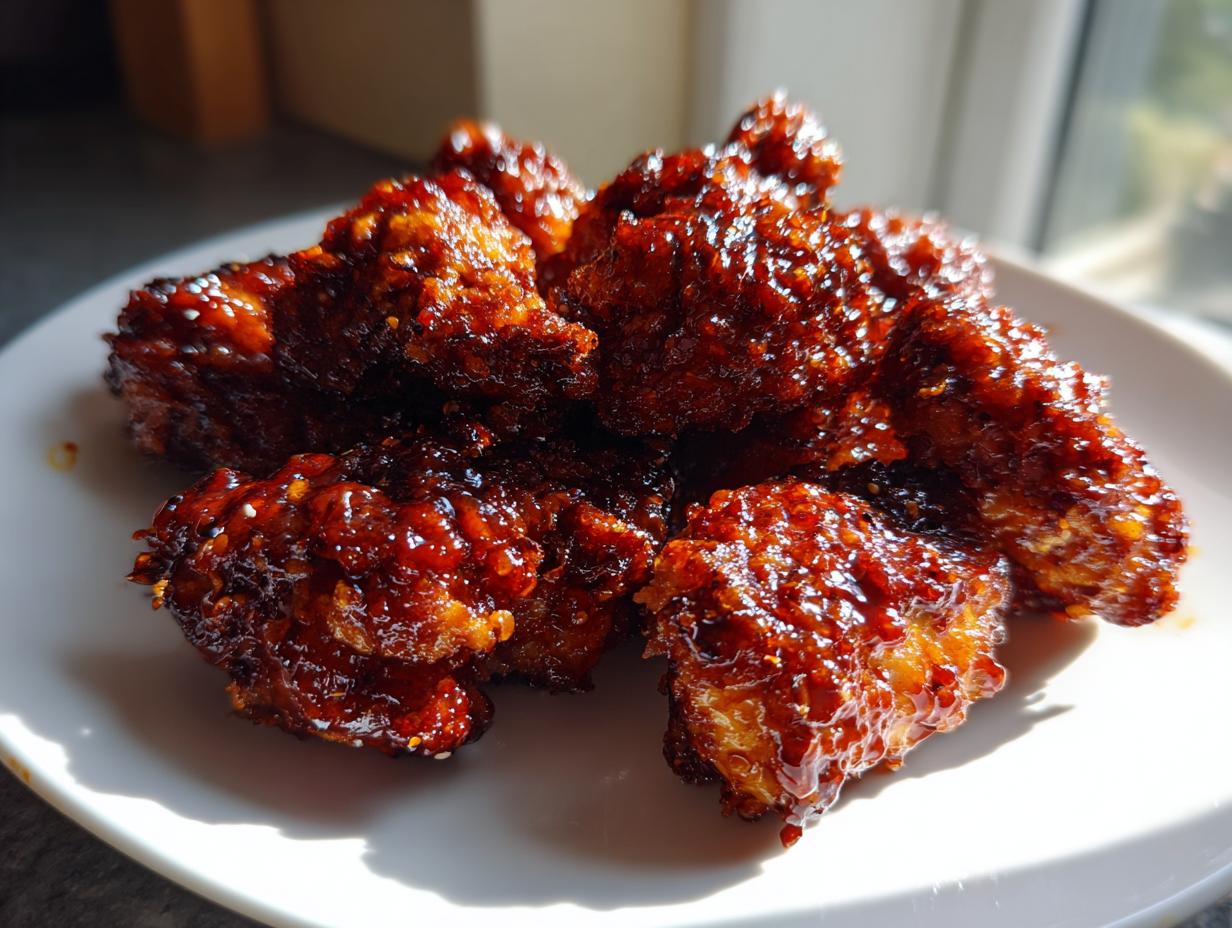

There’s just something about that crackle, isn’t there? That moment when you bite into truly perfect Korean fried chicken—the exterior shattering into a million crispy pieces around the most unbelievably juicy meat inside. It’s why we crave takeout, but honestly, why settle when you can create something even better right here in your own kitchen? I’m Catherine Valdès, and after developing hundreds of recipes, I can tell you, achieving that signature texture isn’t luck; it’s technique. This korean fried chicken recipe hinges entirely on the double-fry method, and I promise you, once you master it, you will never go back. Forget rubbery skin and limp coatings, just like we avoid soggy results in my chicken gnocchi soup—it’s all about texture!
We are going deep into flavor territory with a classic, slightly fiery sweet and spicy Gochujang glaze. This recipe is designed to elevate your weeknight meals or absolutely wow guests at your next gathering.
- Why This korean fried chicken recipe Delivers the Ultimate Crunch
- Gathering Ingredients for Your Authentic KFC Recipe
- Step-by-Step Instructions for the korean fried chicken recipe
- Ingredient Notes and Substitutions for your korean fried chicken recipe
- Serving Suggestions for this Flavorful Fried Chicken
- Storage and Reheating Instructions for korean fried chicken recipe
- Frequently Asked Questions about the korean fried chicken recipe
- Estimated Nutritional Data for This korean fried chicken recipe
- Share Your korean fried chicken recipe Experience
Why This korean fried chicken recipe Delivers the Ultimate Crunch
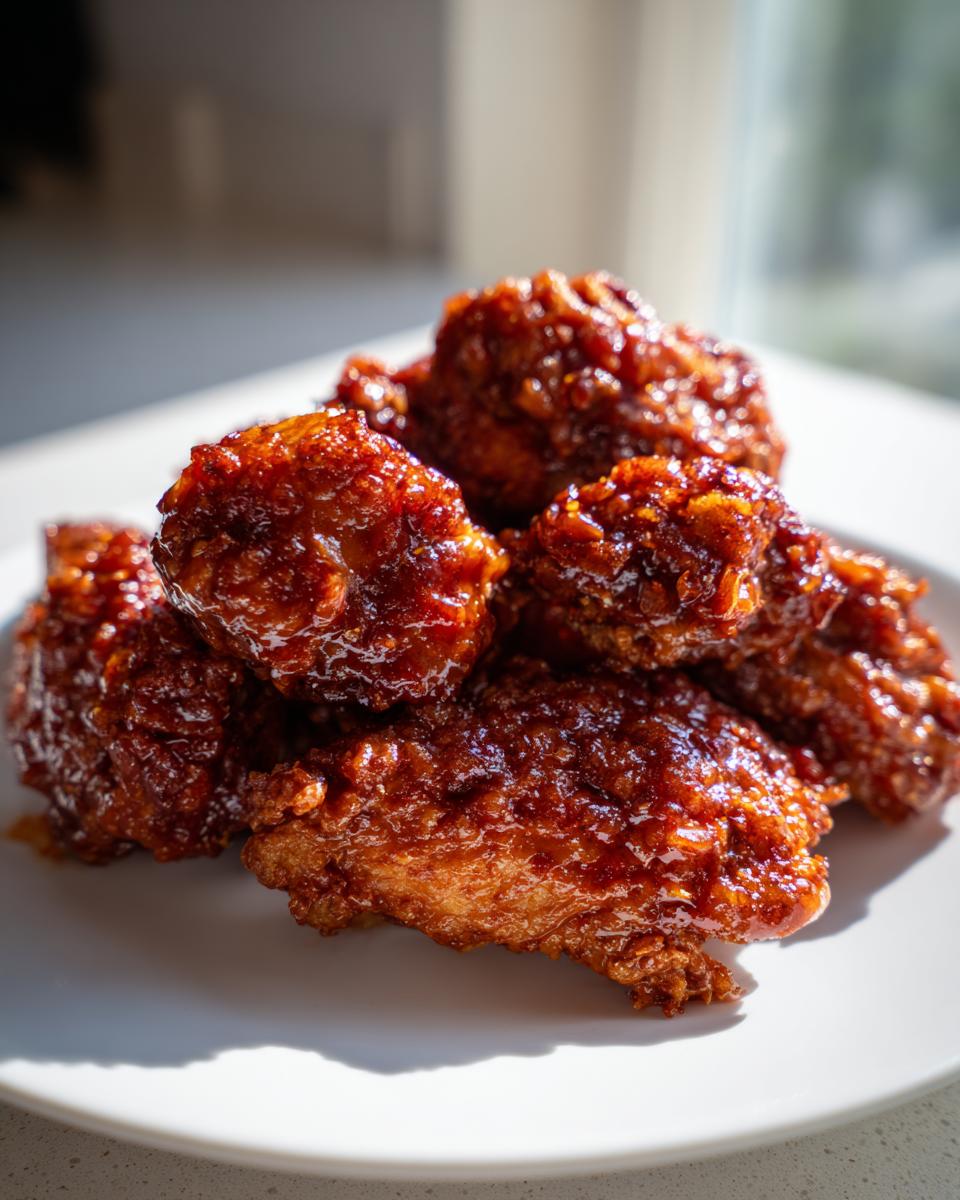
So many recipes look good until they’re cooling on the rack, and suddenly, that beautiful crisp coat turns soft and chewy. That will absolutely not happen here! This korean fried chicken recipe is all about texture, and that thin, shatteringly crisp exterior is achieved through two non-negotiable steps. We rely heavily on a mix of flour and starch—potato starch, trust me on this—to create that paper-thin coating. But the real magic, the signature difference between standard fried chicken and truly authentic KFC, is the double-fry method. If you skip the rest, don’t skip this part!
The Secret to Juicy Inside Crispy Outside Chicken Texture
The Double Fried Chicken Technique seems like extra work, but it’s truly genius. The first fry, done at a lower temperature (around 325°F), gently cooks the chicken all the way through, melting the fat under the skin and rendering everything juicy. Crucially, it sets the coating without browning it too much.
Then comes the rest period—this allows moisture to redistribute, which ensures the inside stays tender. When you boost the oil temperature higher for the second fry, you are essentially just scorching the outside of that already cooked chicken very quickly. This second blast of heat blasts away any residual surface moisture, locking in all that crispness we crave. It creates that unbelievably crunchy, impossibly thin shell we want for our Homemade Korean Fried Chicken.
If you love crispy chicken, but want to skip the deep fryer sometimes, you should absolutely check out my thoughts on BBQ pulled chicken, though nothing beats this fried crunch!
Gathering Ingredients for Your Authentic KFC Recipe
Okay, let’s talk supplies! To make this korean fried chicken recipe truly authentic and achieve that signature crispness, we need to respect the components. You can’t fake this texture, and I learned early in my culinary training that ingredient quality really does shine through, whether it’s for a simple chicken pot pie or something more adventurous!
The biggest non-negotiable here is the starch in the batter. Please, please use potato starch if at all possible. It’s what gives you that signature thin, almost glassy coating that resists sogginess better than anything else. Don’t worry if you can’t find it; cornstarch is a decent second choice, but potato starch is the key to that “restaurant style fried chicken at home” look.
Ingredients for the Crispy Chicken Coating
Gather these items for the actual chicken prep and the batter. Remember, the chicken needs to be bone dry—I mean, *desert* dry—before it even sees the batter. That’s step one!
- 2 lbs chicken pieces (wings, drumettes, or boneless thighs), cut into serving sizes
- 1 cup all-purpose flour
- 1/2 cup potato starch or cornstarch
- 1 teaspoon salt
- 1/2 teaspoon black pepper
- 1/4 teaspoon baking powder (this gives it lift!)
- 1 large egg
- 1/2 cup cold water – Make sure this is ice cold! It shocks the batter perfectly.
- Vegetable oil, for frying – You’ll need a good, neutral oil with a high smoke point.
Components for the Sweet and Spicy Gochujang Chicken Sauce
This makes the Gochujang Chicken Sauce famous for that sticky, sweet, kicky finish. Make sure your garlic is freshly minced, not the jarred stuff, okay? Fresh aromatics make all the difference in these rich glazes.
- 1/2 cup Gochujang (Korean chili paste)
- 1/4 cup soy sauce
- 1/4 cup honey or corn syrup – Honey gives a slightly nicer flavor, I think.
- 2 tablespoons rice vinegar
- 1 tablespoon minced garlic
- 1 teaspoon grated fresh ginger
- 1 tablespoon sesame oil
- 1 teaspoon toasted sesame seeds, for garnish
Step-by-Step Instructions for the korean fried chicken recipe
Alright, let’s get cooking! I know deep frying can look intimidating, but if you follow these steps carefully—especially regarding temperature—you’ll see immediately why this is the Best Korean Fried Chicken you’ve ever made. It’s about precision, but executed with the joy of home cooking. We’re going to move systematically from prepping the bird to that final, glorious toss. If you’ve mastered a saucy dish like my Mongolian Beef, you’ll handle this sauce like a pro. And don’t forget, for a slightly different but equally irresistible take on sticky coating, check out other great Korean Spicy and Sweet Fried Chicken options out there!
Preparing the Chicken and Making the Batter
First things first: water is the enemy of crisp! Take your dried chicken pieces and pat them down one last time with paper towels until you think they can’t possibly get drier. Seriously, no damp spots allowed.
Now for the batter (Step 2 of the general instructions). In your bowl, mix those dry ingredients—flour, starch, baking powder, salt, and pepper—just until they’re acquainted. In the separate small bowl, whisk that egg and the ice-cold water. Pour the wet into the dry and mix it gently. And here is my little secret from culinary school: Stop stirring when you still see a few dry streaks of flour. If you work that batter until it’s perfectly smooth, like you’re making a delicate sauce for Chicken Marsala, you’ll end up with a thick, cakey coating. We want thin, almost watery batter, which turns gloriously shatter-crisp when fried!
Dip your dry chicken into that lumpy batter and let the excess drip off before it hits the oil. That adherence is what sets us up for success.
Executing the Double Fried Chicken Technique
This is where the real structural magic happens (Steps 4 and 6). Heat a good three inches of vegetable oil in your heavy pot to exactly 325°F (160°C). Carefully add your battered chicken pieces in manageable small batches—don’t crowd the pot! Fry them for about 8 to 10 minutes. They should look lightly golden, cooked through, but pale. Pull them out and drain them on that wire rack. You absolutely must let them rest for at least 15 minutes!
Once rested, crank that oil heat up until it hits 375°F (190°C). This high heat is only for about 2 to 3 minutes per batch. This second fry is what blasts off any remaining steam and sets the crust. It creates that unbelievably crunchy, impossibly thin shell we want for our Homemade Korean Fried Chicken.

Creating the Sticky Korean Fried Chicken Glaze and Tossing
While that chicken is resting the first time, get your glaze ready (Step 5). Whisk all your sauce components—Gochujang, soy sauce, honey, vinegar, garlic, ginger, sesame oil—in a small saucepan. Bring it gently to a simmer over medium heat, stirring constantly. You only need about 3 to 5 minutes until it thickens just slightly. Take it off the heat immediately so it doesn’t scorch.
The final, crucial moment (Step 7): Get that piping hot, Ultra Crispy Chicken into a large, clean bowl. Pour that warm glaze over the top and toss quickly, gently, but thoroughly. You need to work fast here! Coating it immediately while it’s hot from that second fry is what creates that beautiful, Sticky Korean Fried Chicken finish without letting the crust get soft. Serve it right away for maximum crunch satisfaction!

Ingredient Notes and Substitutions for your korean fried chicken recipe
Now that you’ve seen the method, let’s talk ingredients. Choosing the right components is just as important as that second fry, especially if you want that elusive juicy inside crispy outside chicken texture every time. I always encourage home cooks to trust their instincts, but for a classic like this, sticking close to the recipe provides the most reliable result, just like when I bake my General Tso’s Chicken!
Tips for Achieving Juiciness Inside Crispy Outside Chicken
If you are using bone-in chicken like wings or drumettes, you’re naturally going to get great flavor and moisture. For my boneless fans, I suggest using boneless, skinless chicken thighs, cut into generous strips—thigh meat holds up better to the intense heat of frying than breast meat.
And remember that optional tip I mentioned? If you have extra time, try marinating the cut chicken for about 30 minutes in a simple mixture of salt, pepper, and just a tablespoon of rice wine vinegar before you batter it. That little acidic soak does wonders for keeping the inside incredibly tender!
Alternative Glaze: Soy Garlic Flavor Option
Not everyone wants the heat from Gochujang, and that’s okay! You can easily swap out the sweet heat for something savory and deeply aromatic. If you prefer that milder profile, skip the sauce recipe I gave you for the Authentic KFC Recipe.
Instead, make a quick reduction sauce using: 1/2 cup soy sauce, 1/4 cup water, 1/4 cup honey, 2 tablespoons minced garlic (lots of garlic!), and 1 tablespoon grated ginger. You simmer this until it reduces by about a third and gets glossy. It gives you that wonderful savory, sticky coating without bringing the spice!
Serving Suggestions for this Flavorful Fried Chicken
When you make something as rich and powerfully flavored as this korean fried chicken recipe, you need sides that offer a bright, refreshing counterpoint. We want balance on the plate, right? The crunchy, spicy chicken begs for something cool and sharp to cut through the richness. Think less heavy carbohydrates and more fresh textures!
My favorite quick pairing for game day is a vibrant, quick-pickled cucumber salad. It’s zesty and cold. If you want something creamy but light, you can’t go wrong with a simple, sharp slaw—I have published my recipe for a Creamy Crunchy Slaw that works beautifully here. Or, for the simplest addition to turn this into a full Asian Chicken Dinner Idea, just serve it alongside fluffy steamed rice and a bowl of kimchi. The funk and cold temperature of the kimchi is just magnificent against that hot, sticky coating.
Storage and Reheating Instructions for korean fried chicken recipe
This is the hardest part about making truly amazing korean fried chicken recipe: resisting eating it all in one sitting! If you miraculously have leftovers, we need to treat them right. Please, I beg you, do not reheat this in the microwave. That’s a one-way ticket to soggy sadness. The key to restoring that signature crunch is high, dry heat.
If you are planning ahead, I suggest storing leftover chicken pieces in a single layer in an airtight container. When you’re ready to eat them later—maybe reviewing tips on enjoying leftovers—the best method is reheating in a 400°F oven for about 8 minutes or, even better, in an air fryer at 375°F for 4 to 5 minutes. This brings the crust right back to life!
Frequently Asked Questions about the korean fried chicken recipe
Whenever I share a recipe this focused on texture, I always get great questions about getting it perfect the first time. It’s normal! Making restaurant-quality KFC isn’t tricky, but it does require knowing a few specific tricks. I want you to have success right out of the gate, whether you’re aiming for those famous wings or my preferred boneless thighs.
Can I use an air fryer for this Crispy Chicken Recipe?
This is the biggest question! The air fryer is fantastic for reheating (see above!), but for the initial cook, it won’t replicate the signature texture of this Crispy Chicken Recipe. Because this relies on the double-fry method where the chicken is submerged in hot oil twice, the air fryer can’t quite mimic that shattering crispness we achieve with submersion. You *can* use it for a slightly healthier version, but you skip the essence of the authentic technique and thus lose that **Juicy Inside Crispy Outside Chicken** guarantee. I just couldn’t leave that out!
How do I prevent the Sweet and Spicy Glazed Chicken from getting soggy?
Again, speed is everything! The moment that sizzling hot chicken comes out of the 375°F oil for its second fry, it needs to go straight into the bowl with the warm sauce. Toss it quickly—just enough to coat every piece beautifully—and plate it immediately. The heat of the chicken itself warms the glaze slightly, helping it adhere perfectly, creating that beautiful, Sticky Korean Fried Chicken coat that won’t weep moisture onto the crust right away. Don’t let it sit coated for more than five minutes before eating!

What is the best cut of chicken for this Homemade Korean Fried Chicken?
For classic presentation and easy eating, wings and drumettes are fantastic. If you’re making this for a bigger family dinner or as a substantial appetizer, I really prefer boneless chicken thighs, cut into hefty 1.5-inch pieces. They stay incredibly moist throughout the frying process. You can definitely make Korean Chicken Wings Recipe with this batter, just watch the second fry time closely since they are smaller!
I love hearing from you all! If you test this out for game day or just a Tuesday night craving, please leave a comment below or review after trying my favorite K Food Recipes!
Estimated Nutritional Data for This korean fried chicken recipe
As a home cook, I’m focused on flavor first, but I know many of you are curious about macros, especially when dealing with something as decadent as fried chicken! I’ve put together the estimated nutrition based on the ingredients list above, calculated roughly for a standard serving size of about 4 pieces of chicken.
Please keep in mind that these numbers are just my best assessment based on standard ingredient databases. The actual fat content, for instance, can vary wildly depending on how much oil you use and how much oil the chicken actually absorbs during the frying process. These values are designed to give you a general idea of what you are consuming when you indulge in this delicious korean fried chicken recipe.
- Serving Size: 4 pieces (estimated)
- Calories: 550
- Sugar: 25g
- Sodium: 850mg
- Fat: 30g
- Saturated Fat: 7g
- Unsaturated Fat: 23g
- Trans Fat: 0g
- Carbohydrates: 40g
- Fiber: 1g
- Protein: 32g
- Cholesterol: 110mg
It looks like a splurge, and honestly, it is! But when you nail that crispness, it’s worth every single calorie. Enjoy these flavorful fried chicken results!
Share Your korean fried chicken recipe Experience
Now the best part comes for me—hearing from you! I poured my heart into getting this korean fried chicken recipe absolutely perfect, focusing obsessively on that double-fried crunch. I truly hope your kitchen filled with the most incredible smells while you were cooking.
Did you manage to get that glassy, shattering texture? Did the sweet and spicy glaze hold up beautifully? Don’t be shy! Drop a rating down below—five stars if you think this is the restaurant-quality fried chicken you’ve been dreaming of! I live for hearing about your successes, especially when you nail a technique like the high-heat second fry.
If you snap a picture of your beautifully sticky, coated chicken, please tag me on social media! Seeing my recipes come to life in your homes is the reason I left my corporate life behind. If you have any lingering questions about the batter consistency or the ideal oil temperature, feel free to leave them in the comments too! I check my contact page regularly and love troubleshooting with my readers. Happy cooking!
PrintAuthentic Double-Fried Korean Fried Chicken with Classic Gochujang Glaze
Make restaurant-quality Korean Fried Chicken at home using the double-fry technique for an ultra crispy crust and a juicy interior. This recipe features the classic sweet and spicy Gochujang glaze.
- Prep Time: 20 min
- Cook Time: 25 min
- Total Time: 60 min
- Yield: 4 servings 1x
- Category: Dinner
- Method: Deep Frying
- Cuisine: Korean
- Diet: Non-Diet
Ingredients
- 2 lbs chicken pieces (wings, drumettes, or boneless thighs), cut into serving sizes
- 1 cup all-purpose flour
- 1/2 cup potato starch or cornstarch
- 1 teaspoon salt
- 1/2 teaspoon black pepper
- 1/4 teaspoon baking powder
- 1 large egg
- 1/2 cup cold water
- Vegetable oil, for frying
- 1/2 cup Gochujang (Korean chili paste)
- 1/4 cup soy sauce
- 1/4 cup honey or corn syrup
- 2 tablespoons rice vinegar
- 1 tablespoon minced garlic
- 1 teaspoon grated fresh ginger
- 1 tablespoon sesame oil
- 1 teaspoon toasted sesame seeds, for garnish
Instructions
- Prepare the chicken: Pat the chicken pieces completely dry with paper towels. This step helps achieve the best crunch.
- Make the batter: In a large bowl, whisk together the flour, potato starch, salt, pepper, and baking powder. In a separate small bowl, whisk the egg and cold water. Add the wet ingredients to the dry ingredients and mix until just combined. Do not overmix; a few lumps are fine.
- Coat the chicken: Dip the dried chicken pieces into the batter, ensuring they are fully coated. Let excess batter drip off slightly.
- First fry: Heat about 3 inches of oil in a deep, heavy-bottomed pot or Dutch oven to 325°F (160°C). Carefully add the chicken in batches, ensuring you do not overcrowd the pot. Fry for 8 to 10 minutes until the chicken is cooked through and pale golden. Remove the chicken and drain on a wire rack set over a baking sheet. Let the chicken rest for at least 15 minutes.
- Make the glaze: While the chicken rests, combine the Gochujang, soy sauce, honey, rice vinegar, minced garlic, ginger, and sesame oil in a small saucepan. Bring the mixture to a simmer over medium heat, stirring constantly until the sauce thickens slightly, about 3 to 5 minutes. Remove from heat.
- Second fry (The Crunch Step): Increase the oil temperature to 375°F (190°C). Return the rested chicken to the hot oil in batches. Fry for an additional 2 to 3 minutes until the crust is deep golden brown and shatteringly crisp. This double-fried chicken technique creates the ultimate crunch.
- Glaze the chicken: Immediately transfer the hot, crispy chicken to a large bowl. Pour the prepared Gochujang glaze over the chicken and toss quickly until every piece is evenly coated.
- Serve immediately, garnished with toasted sesame seeds.
Notes
- For an even juicier inside, you can briefly marinate the chicken in a mixture of salt, pepper, and a tablespoon of rice wine vinegar for 30 minutes before battering.
- If you prefer a soy garlic flavor instead of sweet and spicy, substitute the Gochujang mixture with 1/2 cup soy sauce, 1/4 cup water, 1/4 cup honey, 2 tablespoons minced garlic, and 1 tablespoon grated ginger, simmered until reduced.
- This recipe works well for game day gatherings or as a flavorful dinner centerpiece.
Nutrition
- Serving Size: 4 pieces
- Calories: 550
- Sugar: 25
- Sodium: 850
- Fat: 30
- Saturated Fat: 7
- Unsaturated Fat: 23
- Trans Fat: 0
- Carbohydrates: 40
- Fiber: 1
- Protein: 32
- Cholesterol: 110