
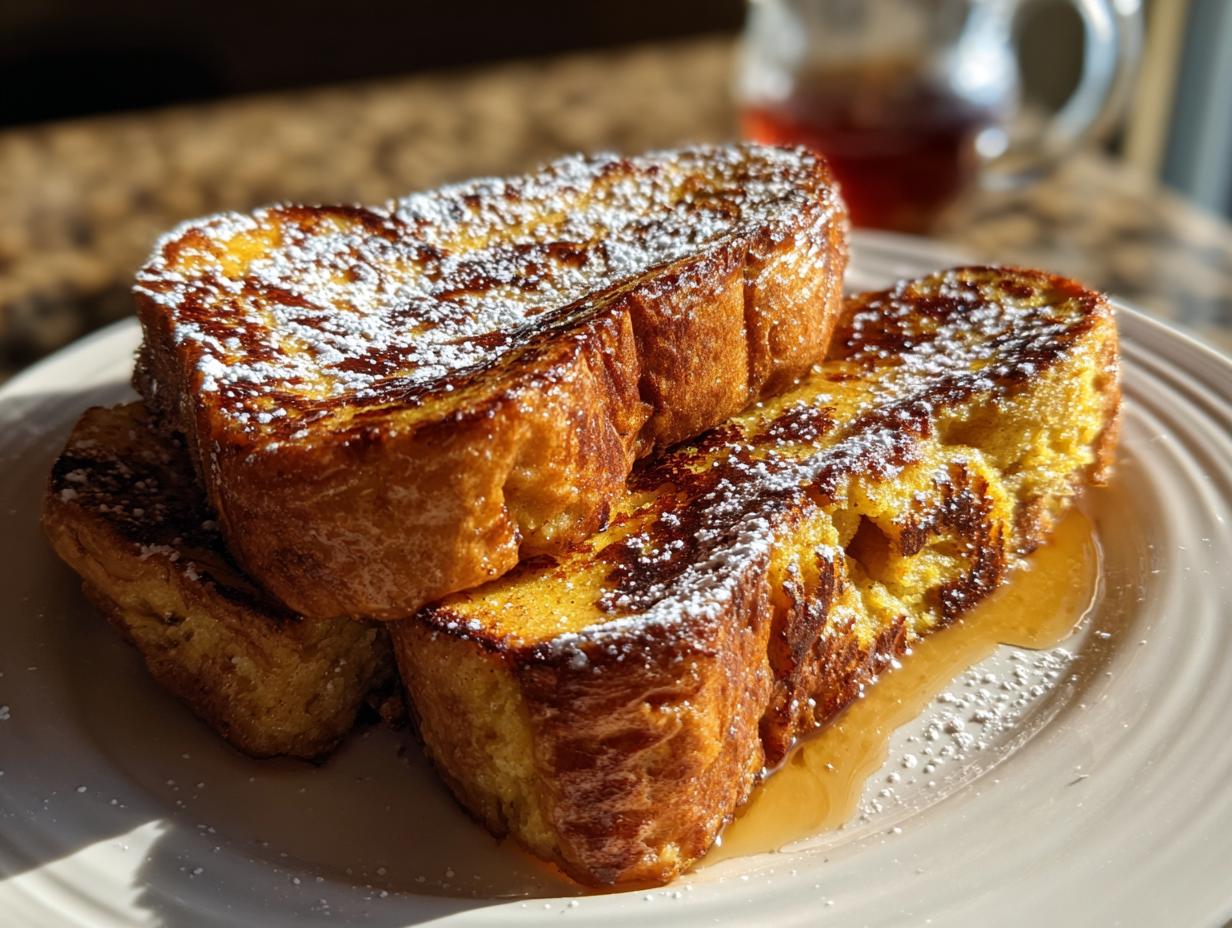

There is something so beautifully satisfying about transforming a humble slice of bread into something truly elegant, isn’t there? That is exactly what happens when you make sourdough french toast. Forget those sad, soggy breakfast attempts from years past; we are aiming for restaurant quality here. My goal, always, is to bring approachable elegance to your table, and this recipe delivers—a perfectly crisp, golden exterior hugging a rich, unbelievably tender interior. It’s the kind of meal that makes a busy morning feel like an event, and I find so much joy in sharing these simple, yet sophisticated, moments with you.
- Why This Easy Sourdough French Toast Stands Apart (E-E-A-T Focus)
- Essential Ingredients for Perfect Sourdough French Toast
- Mastering the Crispy French Toast Technique: Step-by-Step Instructions
- Tips for Success Making the Best Sourdough French Toast
- Variations on Your Sourdough French Toast
- Serving Suggestions for Sourdough Breakfast Ideas
- Storage and Reheating Instructions for Sourdough French Toast
- Frequently Asked Questions About Sourdough French Toast
- Estimating the Nutrition for Your Sourdough French Toast
Why This Easy Sourdough French Toast Stands Apart (E-E-A-T Focus)
When I developed this recipe, I wanted to eliminate the trade-off so many people face: choosing between crispy edges and a soft middle. With this approach to sourdough french toast, you get both in just 25 minutes total time. It truly transforms your morning routine into a simple yet elegant affair, which is what we aim for here at Unfold Recipes.

This method works beautifully because sourdough’s natural tang pairs perfectly with spices, and its density handles the egg custard without collapsing. Here’s why you’ll love making this again and again:
Achieving the Perfect Custardy French Toast Texture
The magic lies in the sourdough structure. Unlike airy white bread that can turn to mush the second it hits the pan, the hearty crumb of sourdough is sturdy enough to soak up all that lovely cinnamon-vanilla egg mixture. This creates that deeply satisfying, custardy french toast experience right in the center of the slice while the exterior browns perfectly.
Leveraging Leftover Sourdough Bread Recipes
This is perhaps my favorite part! If you’ve got that final heel or a couple of slices that are just starting to get a little hard, don’t throw them out. This recipe shines when using day-old bread, which is one of the best leftover sourdough bread recipes you can have in your back pocket. Stale bread absorbs the liquid custard better, getting wonderfully saturated without ever becoming overly wet.
We use simple pantry staples to create something truly memorable. You can find my favorite accompanying toppings ideas over at my classic French toast guide, but trust me, this sourdough version needs very little embellishment.
Essential Ingredients for Perfect Sourdough French Toast
When you’re aiming for that restaurant quality, the ingredients need to sing a little louder. Thankfully, this is a recipe that relies on simple pantry stars, letting the sourdough itself take the lead. The most important component, which you simply must focus on, is the bread. We need slices that are sturdy enough to handle the dip, so always look for a good, rustic loaf for thick cut french toast.
- 8 thick slices sourdough bread (day-old works best for absorbing that flavor!)
- 4 large eggs
- 1 cup half-and-half or whole milk (go for whole milk if you want extra richness)
- 1 teaspoon pure vanilla extract
- 1 teaspoon ground cinnamon
- 1/4 teaspoon ground nutmeg
- 1 tablespoon granulated sugar
- Pinch of salt
- 2 tablespoons unsalted butter, divided (we need that good butter for browning!)
- Powdered sugar, for dusting
- Maple syrup, for serving
That blend of cinnamon and nutmeg really brings out the subtle tang in the sourdough. Remember, quality ingredients make the whole dish feel much more elevated!
Mastering the Crispy French Toast Technique: Step-by-Step Instructions
We are aiming for that perfect moment where the outside is beautifully caramelized and just slightly crunchy, while the inside melts in your mouth. Making excellent sourdough french toast isn’t about long soaks; it’s about quick, efficient technique. Follow these steps closely, and you’ll have a stack worthy of any lovely weekend brunch.
Preparing the Cinnamon Vanilla French Toast Custard
First, let’s get that custard base ready in a shallow dish—wide enough for your bread slices to fit comfortably. Whisk together your eggs, your milk of choice, that lovely splash of vanilla, the cinnamon, nutmeg, sugar, and just a tiny pinch of salt. You need to whisk this until everything is completely integrated, but don’t whip so much air into it that it becomes foamy. We want rich and smooth, not light and airy!
The Secret to Crispy French Toast Technique on the Griddle
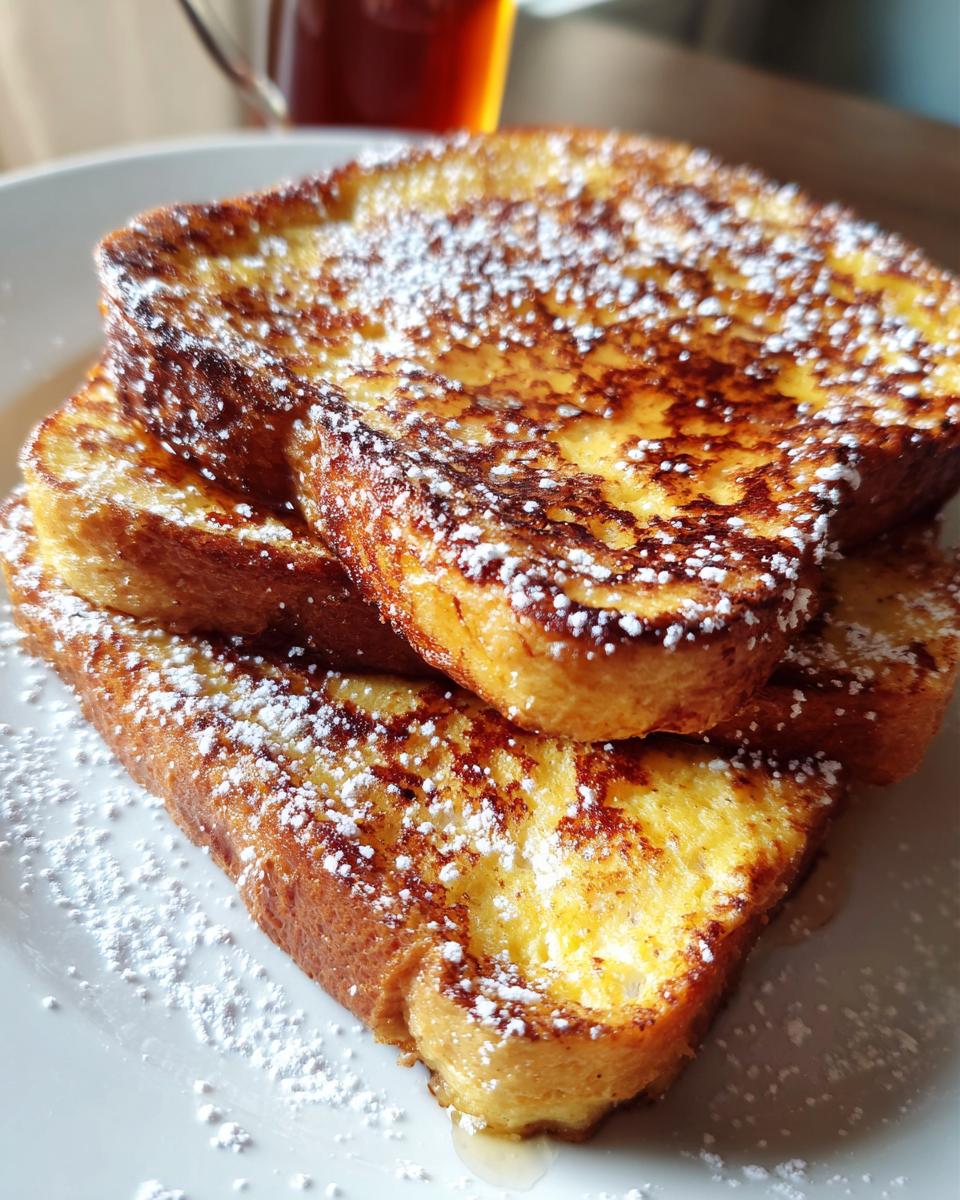
Now for the heat! Place a large non-stick skillet or griddle over medium heat. You want it hot enough that the butter sizzles the moment it hits the pan, which is essential for that signature crisp. Add one tablespoon of butter and let it melt and foam slightly. Quick but thorough dipping is key here. Dip the sourdough slice—just a quick count of one Mississippi, two Mississippi—flip, count again, and immediately place it on the hot surface. Don’t let it sit and soak! This fast dunk preserves the structure and is the core of the crispy french toast technique. Cook for about three to four minutes per side until golden brown, adding the rest of your butter as needed for the next batch.
If you’ve ever wondered how to make fluffy biscuits, you know that heat control is everything, and French toast is no different! Remember to keep the cooked pieces warm while you finish off the rest.
Tips for Success Making the Best Sourdough French Toast
You’ve seen the steps, but achieving that top-tier, best sourdough french toast quality comes down to respecting a few crucial details. We aren’t aiming for merely acceptable—we want the kind of French toast that makes people ask you for the recipe immediately! Focusing on the bread texture and managing your heat are non-negotiable if you want that ‘restaurant style french toast at home’ moment.
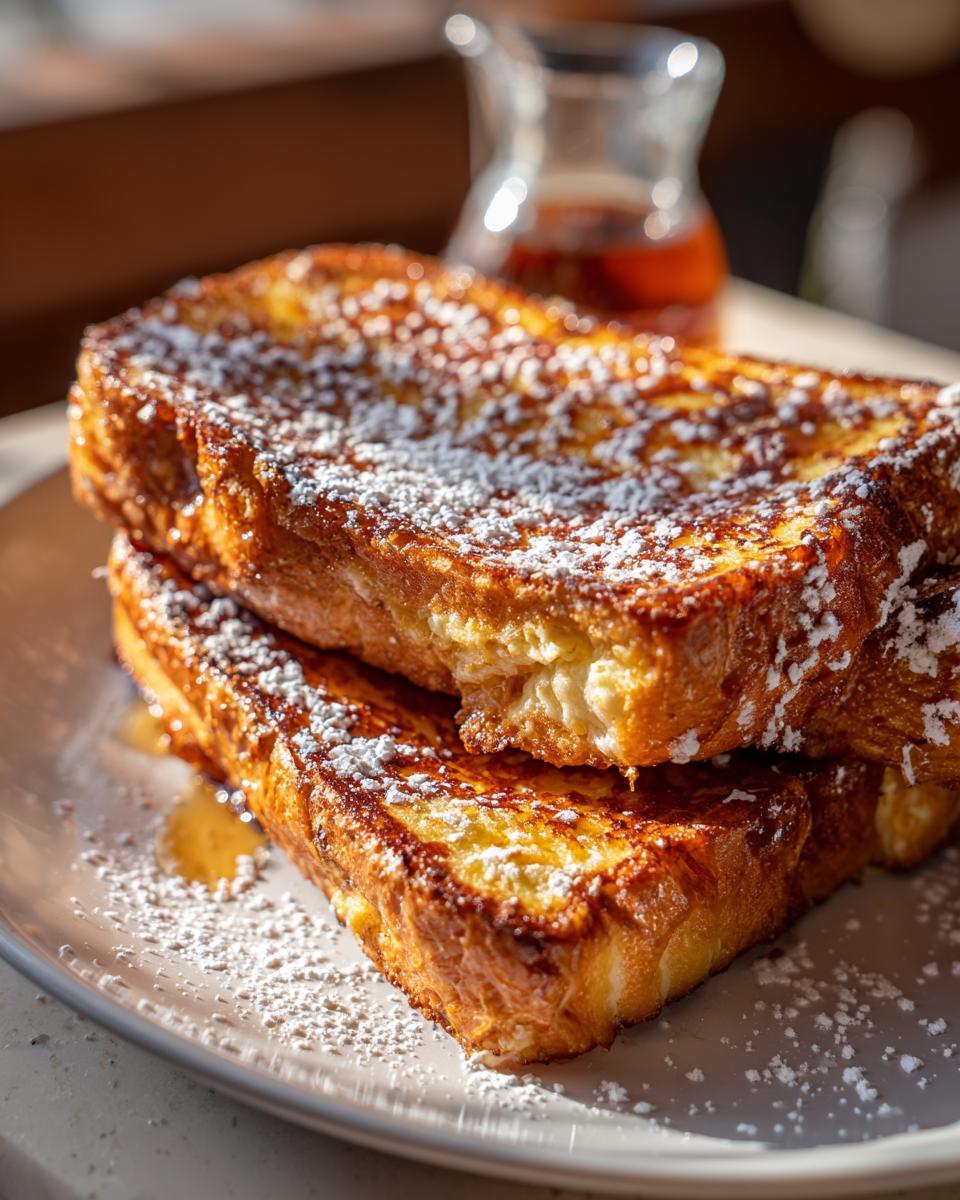
When you follow these little secrets, that perfect balance of crisp and soft delivers every time. It’s always my pleasure to share the techniques that elevate a simple breakfast into something truly special, especially for those lovely easy weekend brunch recipes.
Bread Thickness Matters for Custardy French Toast
Please, whatever you do, use thick slices! I recommend aiming for at least 3/4 of an inch, or even a full inch if your loaf allows for it. This thick cut is crucial because it gives the exterior time to crisp up beautifully on the griddle before the heat penetrates enough to set the interior custard. Thicker bread yields a richer payoff.
How to Make French Toast Not Soggy: Heat Control
The biggest pitfall is low heat. If your pan isn’t hot enough, the butter melts slowly, the bread just absorbs grease, and you end up with something sad and pale. To learn exactly how to make french toast not soggy, remember this: medium-high heat, foaming butter, and a quick dip in the custard. That sizzle locks in the texture.
Variations on Your Sourdough French Toast
While the classic cinnamon vanilla blend is just heavenly, this base recipe is perfect for playing around with flavors, especially if you’re looking for new sourdough breakfast ideas for guests. Think of this as your canvas for creating beautiful, layered flavors!
For a deeper, warmer sweetness that pairs beautifully with the slight tang of the bread, swap out that granulated sugar in the custard for one full tablespoon of packed light brown sugar. It adds a wonderful molasses note right into the heart of the dip. You could also easily transition this into a slightly more complex flavor profile reminiscent of my fall waffle recipes by adding a tiny pinch of cloves to that cinnamon and nutmeg blend.
Another favorite modification is adding zest! A full teaspoon of fresh orange zest mixed right into the egg base is bright and unexpected. It elevates the whole experience of your sourdough french toast instantly, making it feel incredibly special without adding any extra cooking time. I encourage you to try one of these simple twists next time!
Serving Suggestions for Sourdough Breakfast Ideas
To truly take this from a quick weekday meal to an impressive offering for our brunch ideas for guests, the toppings are everything. I love keeping the main dish simple so the presentation does the heavy lifting. Drizzling maple syrup is mandatory, naturally, but try elevating it slightly.
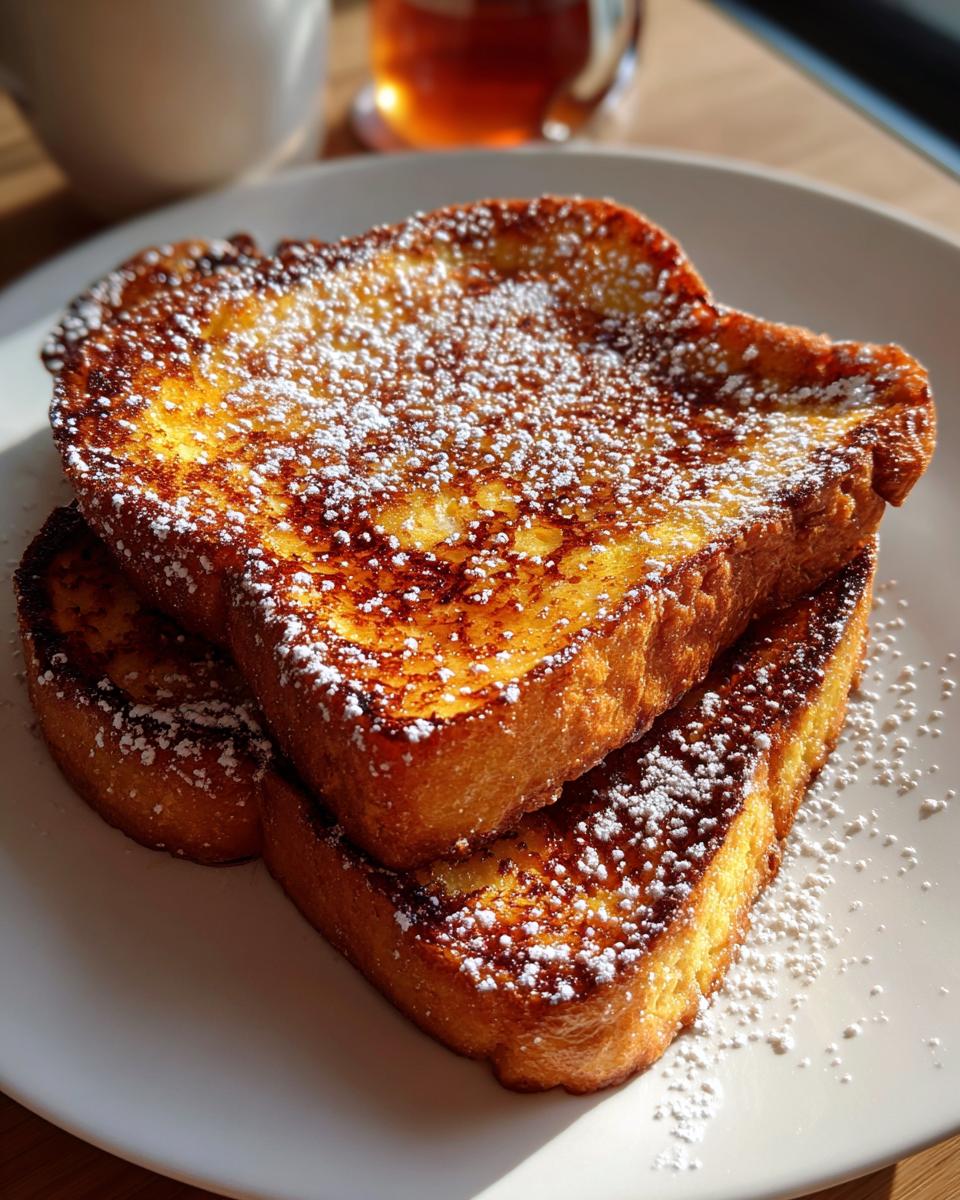
For a fresher, brighter finish, skip the standard syrup pump and instead warm up good quality maple syrup with a tiny pinch of sea salt and a few drops of fresh lemon juice. It provides a beautiful counterpoint to the richness of the egg. For presentation worthy of any magazine, serve the plate with a light dusting of powdered sugar and a scattering of fresh, vibrant berries like raspberries or blueberries. It makes these simple sourdough breakfast ideas feel instantly celebratory and elegant.
Storage and Reheating Instructions for Sourdough French Toast
Even the best sourdough french toast can sometimes result in leftovers, especially when feeding a crowd! Don’t fret about what to do with them. You can certainly refrigerate any cooked slices, though I highly recommend using them the next day if possible. Store them in a single layer inside an airtight container so they don’t steam each other.
The key part is reheating. To bring back that delicious crispness we worked so hard for, skip the microwave! Pop the slices onto a wire rack set over a cookie sheet and reheat them in a 350°F oven for about 5 to 7 minutes. This gentle dry heat awakens the crisp exterior beautifully. Be sure to serve them immediately after reheating for the best texture.
Frequently Asked Questions About Sourdough French Toast
It’s always wonderful to hear your questions! Cooking is all about experimenting, but getting these fundamentals right ensures you nail that perfect texture every single time. Here are a few things folks often ask me when they are preparing this recipe for the first time.
Can I use fresh sourdough bread instead of day-old?
You absolutely can, but I have to give you a little friendly warning: fresh sourdough is much more prone to getting soggy! The beauty of today’s recipe is that it relies on those slightly stale slices to absorb the rich custard without falling apart. If your sourdough loaf is fresh out of the oven, please let it sit out on the counter for several hours. Or, for an even quicker fix, you can briefly dry it out by baking the slices on a rack in a very low oven—say, 250°F—for about 10 minutes. This helps them firm up so they won’t disintegrate when dipped.
What is the best milk to use for custardy french toast?
If you want that truly rich, melt-in-your-mouth experience, I always lean towards using half-and-half or whole milk. These higher-fat options emulsify beautifully with the egg yolks, creating a luxurious coating that sets up wonderfully when cooked. Using skim milk is fine in a pinch, but honestly, you lose some of that decadent mouthfeel that makes for truly great custardy french toast. We are going for indulgence here, not austerity!
Can I make a Sourdough French Toast Casserole version?
That’s a fantastic question, and it comes up often, especially if you’re planning brunch ideas for guests and don’t want to stand at the griddle all morning! While this specific recipe is designed for quick stovetop cooking to ensure maximum crispness, the casserole format is definitely its own beautiful beast. If you are looking for a great make-ahead option that feeds a crowd, search specifically for a make ahead breakfast casserole recipe where the bread is layered and baked. It’s a different texture goal, but wonderful for serving larger groups!
If you’re looking for more general tips on what goes well with this dish or how to plan your menu, you can always check out my main blog archives for more inspiration!
Estimating the Nutrition for Your Sourdough French Toast
While we are certainly not here to count every calorie—the joy of cooking and hosting should always come first—I know many of you appreciate having a general idea of what’s in our beautiful meals. Below you will find the estimated nutritional breakdown for this delicious batch of sourdough french toast.
Please keep in mind, these figures are based on the exact ingredients listed in the recipe, especially using whole milk/half-and-half and the standard amount of butter for griddling. Ingredient brands, type of sourdough, and how much syrup you drizzle on top can definitely change these numbers!
For one serving (which this recipe yields 4 servings, so two slices), here is the estimated profile:
- Serving Size: 2 slices
- Calories: 380
- Fat: 18g
- Trans Fat: 0g
- Saturated Fat: 8g
- Cholesterol: 180mg
- Sodium: 350mg
- Carbohydrates: 40g
- Fiber: 2g
- Sugar: 14g
- Protein: 15g
This is a wonderfully hearty breakfast, packed with protein from the eggs to keep you going well past lunch. Enjoy it with confidence; it’s a balanced start to any weekend!
PrintEasy Sourdough French Toast with Crispy Edges

Make restaurant style french toast at home using day-old sourdough bread. This recipe yields a custardy interior and a perfectly crispy exterior in under 25 minutes.
- Prep Time: 10 min
- Cook Time: 15 min
- Total Time: 25 min
- Yield: 4 servings 1x
- Category: Breakfast
- Method: Stovetop Griddling
- Cuisine: American
- Diet: Vegetarian
Ingredients
- 8 thick slices sourdough bread (day-old works best)
- 4 large eggs
- 1 cup half-and-half or whole milk
- 1 teaspoon pure vanilla extract
- 1 teaspoon ground cinnamon
- 1/4 teaspoon ground nutmeg
- 1 tablespoon granulated sugar
- Pinch of salt
- 2 tablespoons unsalted butter, divided
- Powdered sugar, for dusting
- Maple syrup, for serving
Instructions
- In a shallow dish, whisk together the eggs, half-and-half, vanilla extract, cinnamon, nutmeg, sugar, and salt until fully combined. This creates your rich custard base.
- Heat a large griddle or non-stick skillet over medium heat. Add 1 tablespoon of butter and let it melt until it foams slightly.
- Quickly dip one slice of sourdough bread into the egg mixture, turning to coat both sides. Do not let it soak too long; sourdough is sturdy but you want it coated, not saturated.
- Place the coated bread onto the hot griddle. Cook for 3 to 4 minutes per side, until golden brown and crispy on the edges.
- Add the remaining butter to the skillet as needed for the next slices.
- Transfer the cooked French toast to a plate and keep warm while you finish the remaining slices.
- Serve immediately dusted with powdered sugar and a side of warm maple syrup.
Notes
- Using day-old or slightly stale sourdough bread is key; its firm texture prevents the bread from becoming soggy when soaking in the custard.
- For extra crispy french toast, ensure your skillet is hot enough before placing the bread down. The butter should sizzle immediately.
- If you prefer a sweeter flavor, you can substitute the granulated sugar in the custard with 1 tablespoon of packed light brown sugar.
Nutrition
- Serving Size: 2 slices
- Calories: 380
- Sugar: 14
- Sodium: 350
- Fat: 18
- Saturated Fat: 8
- Unsaturated Fat: 10
- Trans Fat: 0
- Carbohydrates: 40
- Fiber: 2
- Protein: 15
- Cholesterol: 180