
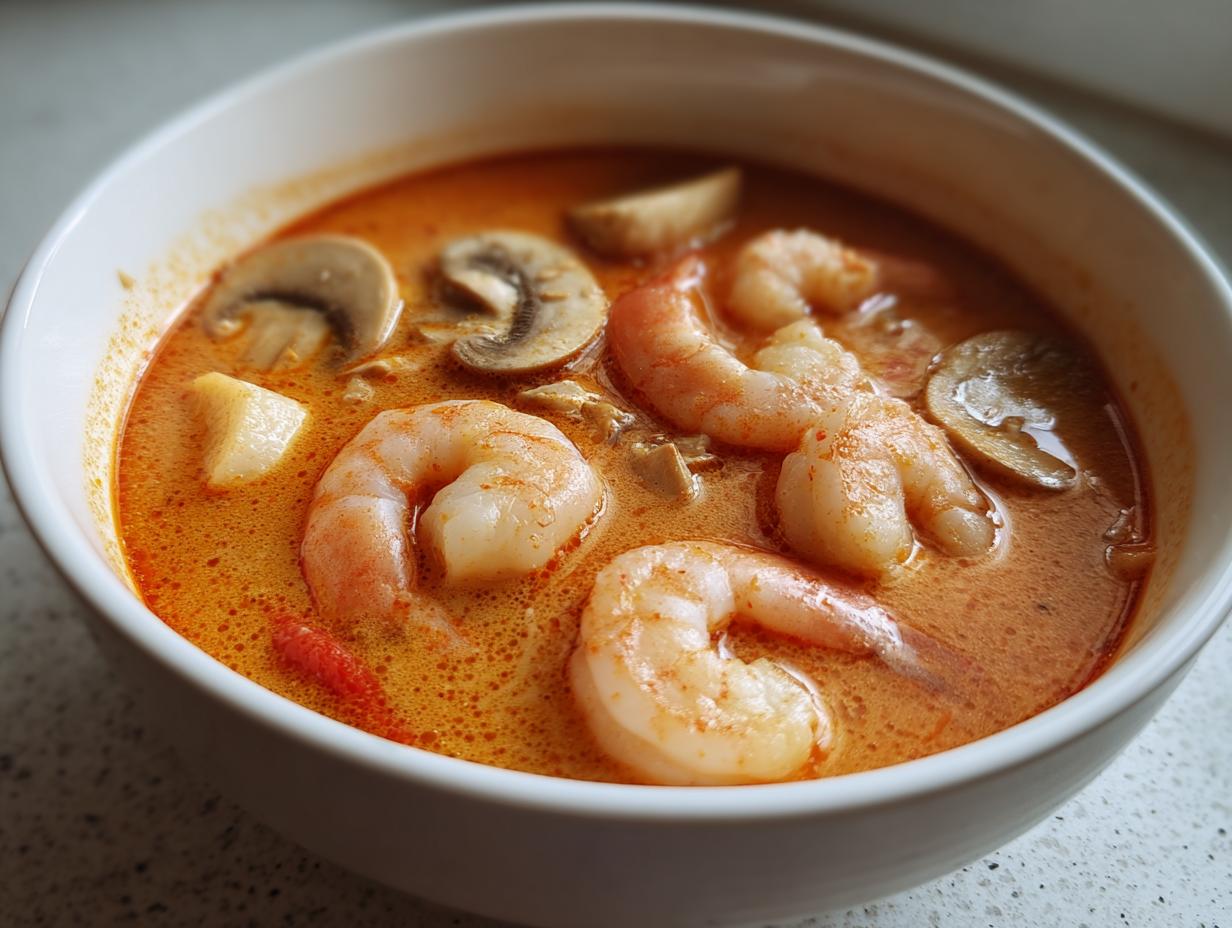

There’s just something about the bright, electrifying taste of Thai food that awakens the senses, isn’t there? When I was formally studying cuisine, I fell completely in love with flavor pairings that defied expectation, and nothing achieves that perfect dance quite like tom yum soup. Forget those watered-down versions you find elsewhere; my goal is always to bring that true, explosive hot and sour balance right to your table. This recipe for Tom Yum Goong, my definitive guide for authentic shrimp soup, translates the complex flavors of Thailand into something truly approachable. After years of testing techniques, I can confidently say that mastering this aromatic soup is much easier than you might think. Pour yourself a glass of wine, and let’s start cooking, or feel free to browse my main culinary journey highlights here. I’m so glad you’re here.
- Why This Authentic Tom Yum Soup Recipe is Your New Favorite
- Gathering Ingredients for the Perfect Tom Yum Soup
- Step-by-Step Instructions for Tom Yum Soup Mastery
- Tips for the Best Tom Yum Soup Every Time
- Variations on the Classic Tom Yum Soup
- Serving Suggestions for Your Hot and Sour Soup Recipe
- Storage and Reheating Your Leftover Tom Yum Soup
- Frequently Asked Questions About Making Tom Yum Soup
- Estimated Nutritional Snapshot for This Shrimp Soup Recipe
Why This Authentic Tom Yum Soup Recipe is Your New Favorite
I know you have a mountain of recipes to try, so I want to assure you that this tom yum soup is worth the space on your recipe queue. It’s all about delivering maximum impact with minimal fuss. This isn’t some all-day simmer project; you’ll have restaurant-quality soup on the table quickly.
- Ready in Under 35 Minutes: Seriously, this is soup perfection for a weeknight when you need flavor fast.
- True Thai Flavor: We nail the sour, spicy, and savory notes because we honor those essential aromatics—no shortcuts on lemongrass!
- Approachable Elegance: It looks and tastes sophisticated, but I’ve streamlined the process so you feel complete confidence making it. If you enjoy easy classics like our Chicken Gnocchi Soup, this will be your next go-to favorite.
Gathering Ingredients for the Perfect Tom Yum Soup
Before we jump into the actual cooking, we have to talk about what makes this tom yum soup taste like it came straight from Bangkok. You can’t fake that vibrant, complex flavor profile—it relies entirely on fragrant, fresh components that wake up your palate. My training taught me that the best dishes start with the best quality aromatics, so please don’t skimp here!
You want the signature scent of lemongrass soup? You need fresh lemongrass, which you’ll trim and then gently bruise to release those oils. Same goes for the galangal—it’s related to ginger but has a sharper, citrusy edge. Don’t try to substitute it entirely if you can help it! We also need those essential kaffir lime leaves, which I tear just before we use them. As you gather these essentials, remember that the quality of your shrimp matters; make sure they are peeled and deveined before you need them.
Here is the exact lineup for this incredible shrimp soup recipe. If you’re planning on swapping proteins later, that’s easy, but for this classic Tom Yum Goong, stick to the list. If you love dishes where the fresh produce is the star, you might also enjoy my stuffed mushroom recipe!
- 6 cups Chicken or vegetable broth
- 1 pound large shrimp, peeled and deveined
- 2 stalks lemongrass, trimmed and bruised
- 4 inches galangal, sliced
- 6 kaffir lime leaves, torn
- 2-3 Thai chilies, crushed (adjust to your spice preference)
- 1/2 cup straw mushrooms, halved
- 1/4 cup fish sauce
- 1/4 cup fresh lime juice
- 1 teaspoon sugar
- 2 tablespoons chili paste in oil (Nam Prik Pao)
- 1/4 cup fresh cilantro, chopped, for garnish
Step-by-Step Instructions for Tom Yum Soup Mastery
Now for the fun part—transforming those beautiful ingredients into that world-famous, vibrant broth! While this soup flies off the menu in Thai restaurants, making it at home requires following the process precisely, especially when it comes to coaxing out the true flavor of the herbs. Trust me, skipping any of these early steps means you’ll end up with something tasty, but not quite the transcendent experience of a truly Authentic Thai Soup like Zuppa Toscana is to comfort food.
Building the Aromatic Broth Base for Tom Yum Soup
First, get your broth simmering with all those crucial aromatics: the bruised lemongrass, sliced galangal, lime leaves, and those spicy Thai chilies right in the pot. We bring this up to a boil, then immediately drop it down to a gentle simmer. This is where the magic happens—Step 2 is non-negotiable! You let those hard herbs steep for a good 15 minutes, covered. This infuses the liquid, bathing it in the essential oils that give tom yum soup its signature deep fragrance. After that, you strain out all those solids. Please strain it well! Nobody wants to chew on a hard piece of galangal!

Cooking the Shrimp and Final Seasoning for Your Tom Yum Soup
Once you have that clear, beautiful, fragrant broth back in the pot, bring it back to a gentle bubble before adding your shrimp and mushrooms. Watch them closely! You want the shrimp to cook quickly until they turn a lovely, opaque pink—that signals they’re done. Immediately stir in your fish sauce, that crucial fresh lime juice, sugar, and the chili paste in oil (Nam Prik Pao). This is the moment of truth! Taste it right there. Does it need a little more zing? Add more lime. Need more savory depth? A dash more fish sauce. As soon as the balance feels absolutely perfect, pull the pot right off the heat. That fresh acidity from the lime shuts down cooking fast, keeping your shrimp perfectly tender.

Tips for the Best Tom Yum Soup Every Time
Achieving that perfect hot and sour profile is really about tasting as you go in those final moments. That initial 15-minute infusion builds the flavor foundation, but the final balance is entirely up to you. I learned in culinary school that the secret to truly great tom yum soup isn’t just the ingredients, but the layering of the final tastes. Don’t be afraid to tweak!
For that signature sour pop, drizzle in your fresh lime juice right at the end—heat kills its bright flavor slightly, so it needs to go in last. If you find your broth is intense but missing that creamy hug, my personal recommendation is to add just a splash of evaporated milk, similar to how some chefs prepare a luxurious version of my chicken pot pie filling. It softens the spices beautifully without needing heavy coconut milk, keeping the soup vibrant. Remember, the goal here is bold, clear flavor, not muddiness!

Variations on the Classic Tom Yum Soup
The beauty of a classic recipe is that it’s also a wonderful starting point for experimentation! While I am absolutely loyal to the Tom Yum Goong—that gorgeous shrimp version—I know not everyone has shrimp on hand, or perhaps you’re cooking for someone avoiding seafood. The good news is that this complex broth structure is incredibly adaptable. You get my full endorsement for making these swaps because it keeps the integrity of the soup intact, even when the protein changes.
For instance, if you are craving a wonderful, savory broth perfect for a cool evening, switching to a Chicken Soup Thai Style is remarkably simple. You just follow Steps 1, 2, and 3 exactly as written to build that flawless aromatic base. When you return the strained broth to the heat for Step 4, simply swap out the shrimp for about a pound of thinly sliced chicken breast. You’ll just need to simmer it a bit longer than the shrimp—maybe 5 to 7 minutes—until it’s completely cooked through and tender before you drop in the final flavorings like lime juice and fish sauce. It’s one of those easy weeknight solutions, much like my BBQ Pulled Chicken, that lets you pivot fast.
If you are looking for a completely plant-based take, making a delicious Vegan Tom Yum is totally achievable. The primary substitution you’ll need to tackle is the broth and the fish sauce. Kick off the recipe using rich vegetable broth instead of chicken broth. For the savory, umami depth that fish sauce usually provides, you can use a combination of soy sauce or, even better, a dedicated vegan fish sauce alternative. Make sure your chili paste in oil (Nam Prik Pao) is also vegetarian, as some contain shrimp paste! You can bulk up the vegetable base with extra mushrooms, cubes of firm tofu, or even hearty chunks of baby corn to give it serious substance.
Serving Suggestions for Your Hot and Sour Soup Recipe
This version of tom yum soup is so intensely flavorful and aromatic that it truly shines on its own, but I always feel a soup this bold deserves the perfect pairing to round out the meal. It’s rich enough that you don’t need heavy sides, but sometimes I just crave a little something starchy to soak up the last drops of that heavenly broth. For me, nothing beats reaching for a fresh bowl of perfectly steamed jasmine rice. It acts as a beautiful, neutral canvas, allowing the spicy, sour notes of your soup to truly dance across your palate. It’s simple, traditional, and absolutely perfect.
If you are serving this soup as an appetizer before a larger meal, keep the side very light. A simple green element works beautifully to cut through the richness of the soup, especially if you opted for the creamier adaptation we discussed earlier. I often whip up a very simple side salad with crisp lettuces and a light vinaigrette. Think less about heavy toppings and more about freshness. A crunchy coleslaw might be too much, but a quick mix of cucumber, mint, and lime juice is just heaven against the heat of the soup. It’s about creating balance, which is always my goal when hosting!
And of course, if you’ve made a big batch of this and want to stretch it without adding huge amounts of rice, simply serve smaller portions alongside a main entrée like grilled fish or tofu. The soup then works as an incredibly flavorful, palate-cleansing side dish that elevates whatever it accompanies. It’s my favorite way to turn a simple weeknight dinner into something that feels elegant and entirely special.
Storage and Reheating Your Leftover Tom Yum Soup
One of the best things about this tom yum soup is that it tastes phenomenal the next day, once those herbs have had more time to mingle! You can absolutely save your leftovers, but the shrimp requires a little attention. Store everything in a tightly sealed container in the fridge for up to three days. When you reheat it, please, please, please do it on the stovetop over low heat. High heat will seize up those beautiful shrimp and make them tough and rubbery in an instant. Just heat it until it’s steaming hot, and enjoy that bold flavor all over again!
If you’re making a big pot and know you won’t eat it all right away, I actually suggest you cook the shrimp separately. You can cool down the aromatic broth and broth base, store that, and then only cook the shrimp for 2 minutes right before serving. That way, your leftover broth is perfectly ready for another easy meal, maybe using some leftover melt-in-your-mouth chicken instead of shrimp next time around!

Frequently Asked Questions About Making Tom Yum Soup
It’s so common to have questions when diving into new global flavors, and I want you to feel completely confident tackling this spicy Asian soup at home. I’ve pulled together some common queries that often pop up when I make this—think of it as a little cheat sheet so you can master this dish just like you master my famous French Onion Soup!
What is the key difference between Tom Yum Soup and Tom Kha?
This is such a great question! They are cousins, for sure, but they are distinct. The main difference is the texture and the depth of the flavor profile. Tom Yum Soup is famous for being clear, bright, spicy, and aggressively sour, focusing purely on those wonderful aromatics. Tom Kha, on the other hand, brings in coconut milk or evaporated milk, which mellows out the heat and acidity, making it wonderfully creamy and richer overall. Both are incredible Thai comfort food, but Tom Yum is the undisputed champion of clarity and zing!
What ingredient provides the authentic sourness in Tom Yum Soup?
It’s all about the final flourish of fresh citrus! The authentic sourness comes primarily from fresh lime juice, which we add right at the very end. Why at the end? Because heat really dulls that bright, vibrant quality. We balance that intense sourness with just a tiny touch of sugar—it’s never meant to be a sweet soup, but that hint of sweetness elevates the lime and chili, making the overall flavor sensation much more complex and layered.
Another really popular question I get is about that spicy paste. That fiery kick comes from Nam Prik Pao—chili paste in oil. If you see that listed, don’t skip it! It provides a deeper roasted chili flavor that dried chili flakes just can’t replicate for an authentic experience.
Estimated Nutritional Snapshot for This Shrimp Soup Recipe
When we talk about creating food that is both beautiful and nourishing, it’s helpful to have a general idea of what we’re working with. Since this shrimp soup recipe is centered around lean protein and fresh herbs, it’s wonderfully light yet satisfying. It’s a fantastic choice when you want something vibrant but don’t want to feel weighed down after dinner, much like my lighter shrimp scampi option.
Please remember, these figures are simply estimates drawn from the core ingredient quantities listed. Nutrition labels can vary based on the brands you use, especially things like fish sauce, so consider these a guideline rather than a strict accounting!
- Serving Size: 1.5 cups
- Calories: 180
- Protein: 22g
- Fat: 5g (with 1g Saturated Fat)
- Carbohydrates: 12g
- Sugar: 4g
I’m delighted to see that protein content is so high because of that generous serving of shrimp! And only 4 grams of sugar shows we kept things balanced with savory saltiness and tart lime, avoiding overly sweet profiles. It’s flavorful dining you can genuinely feel good about!
PrintAuthentic Tom Yum Goong (Hot and Sour Shrimp Soup)
Create the iconic, vibrant flavor of Thailand with this easy Tom Yum Goong recipe. This hot and sour shrimp soup balances savory, spicy, and tangy notes using fresh, aromatic herbs for a restaurant-quality experience at home.
- Prep Time: 15 min
- Cook Time: 20 min
- Total Time: 35 min
- Yield: 4 servings 1x
- Category: Soup
- Method: Stovetop Simmering
- Cuisine: Thai
- Diet: Low Fat
Ingredients
- 6 cups Chicken or vegetable broth
- 1 pound large shrimp, peeled and deveined
- 2 stalks lemongrass, trimmed and bruised
- 4 inches galangal, sliced
- 6 kaffir lime leaves, torn
- 2–3 Thai chilies, crushed (adjust to your spice preference)
- 1/2 cup straw mushrooms, halved
- 1/4 cup fish sauce
- 1/4 cup fresh lime juice
- 1 teaspoon sugar
- 2 tablespoons chili paste in oil (Nam Prik Pao)
- 1/4 cup fresh cilantro, chopped, for garnish
Instructions
- Combine the broth, bruised lemongrass, sliced galangal, torn kaffir lime leaves, and crushed chilies in a large pot. Bring the mixture to a boil over medium-high heat.
- Reduce the heat to a simmer, cover, and let the broth infuse for 15 minutes to draw out the essential oils from the herbs. This step builds the authentic Thai flavor base.
- Strain the broth to remove the solids (lemongrass, galangal, lime leaves, chilies). Return the clear, aromatic broth to the pot and bring it back to a gentle simmer.
- Add the mushrooms and shrimp to the simmering broth. Cook for 2-3 minutes until the shrimp turn pink and opaque. Do not overcook the shrimp.
- Stir in the fish sauce, fresh lime juice, sugar, and chili paste in oil. Taste the broth and adjust the seasoning—add more lime juice for sourness, fish sauce for saltiness, or sugar for balance.
- Remove the pot from the heat immediately after seasoning. Ladle the Tom Yum Goong into bowls.
- Garnish generously with fresh cilantro before serving.
Notes
- For a creamier Tom Yum Goong, add 1/4 cup of evaporated milk or coconut milk along with the fish sauce in Step 5.
- If you cannot find galangal, use fresh ginger as a substitute, though the flavor profile will shift slightly.
- To make this a Chicken Tom Yum Soup, substitute the shrimp with 1 pound of thinly sliced chicken breast and simmer until cooked through before adding the final seasonings.
Nutrition
- Serving Size: 1.5 cups
- Calories: 180
- Sugar: 4
- Sodium: 750
- Fat: 5
- Saturated Fat: 1
- Unsaturated Fat: 4
- Trans Fat: 0
- Carbohydrates: 12
- Fiber: 1
- Protein: 22
- Cholesterol: 150