
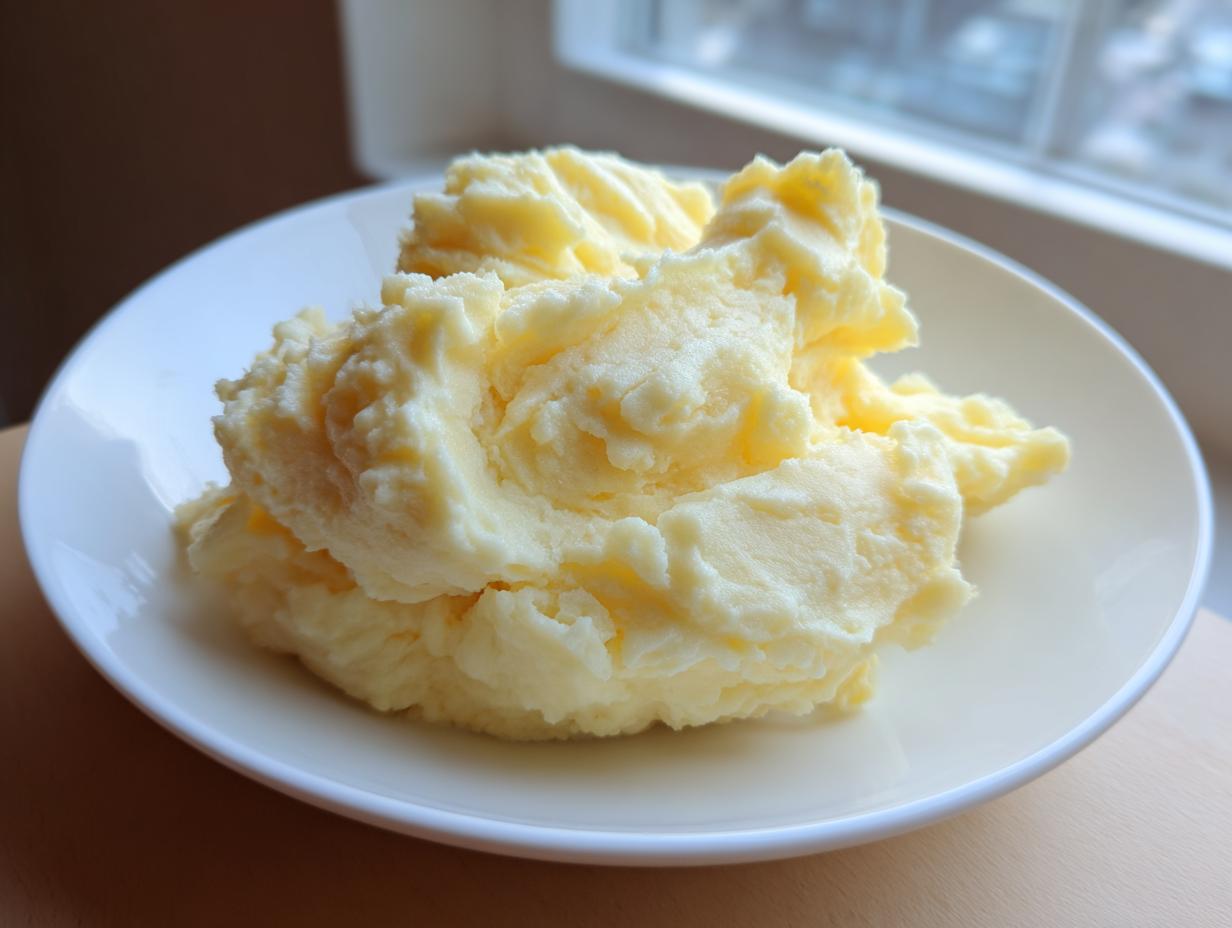

There is perhaps no dish that embodies pure comfort quite like a perfect bowl of mashed potatoes. It’s the foundational side dish we turn to for everything—from a cozy weeknight dinner to the most elegant holiday table. I know the frustration of serving potatoes that end up a little too stiff, or worse, gluey. Trust me, I didn’t just learn this recipe from a textbook; after my time in culinary school, I refined this approach to deliver what I wholeheartedly believe is the Best Ultra-Creamy, Fluffy Mashed Potatoes you will ever make.
This is elegance without stress. We are focusing today on achieving that rich, smooth texture using thoughtful technique. Forget lumps! We’re going back to basics, treating the humble potato with the respect it deserves, so you can finally master this classic comfort food side with confidence.
- Why This Recipe Creates The Best Mashed Potatoes
- Gathering Ingredients for Your Homemade Mashed Potatoes
- How to Make Perfect Mashed Potatoes Step-by-Step
- Mashing Techniques for the Ideal Mashed Potatoes Texture
- Variations on Classic Mashed Potatoes
- Serving Suggestions for Your Buttery Mashed Potatoes
- Storage and Make Ahead Mashed Potatoes Tips
- Frequently Asked Questions About Mashed Potatoes
- Share Your Perfect Mashed Potatoes Experience
Why This Recipe Creates The Best Mashed Potatoes
The magic behind these mashed potatoes isn’t secret sauce; it’s precision. We target that perfect texture—creamy, never heavy—by being selective about what goes in and how much we stir. When you understand *why* a step matters, you gain confidence. These tips guarantee you make truly amazing mashed potatoes every single time.
- The right potato choice prevents glueiness.
- Warming dairy ensures a consistent temperature throughout.
- Gentle handling keeps the starches happy!
The Secret to Fluffy Mashed Potatoes: Potato Choice
My biggest breakthrough when learning to make *good* mashed potatoes—not just mediocre ones—came when I ditched the Russets entirely for nearly every application. For these fluffy mashed potatoes, we are using Yukon Golds. They have a naturally lower starch content and a slightly waxy texture, which gives you a naturally creamy mashed potato without needing to add half a pound of cream cheese!
Achieving Rich and Smooth Potatoes with Warm Dairy
If you add cold milk to hot potatoes, what happens? The potatoes instantly cool down, and you need to mash them longer or beat them harder to get them smooth. That vigorous beating is what releases the starch and makes them weep under your mixer. Because we warm our milk and, yes, even our butter, everything incorporates beautifully, yielding those rich and smooth potatoes without the aggressive stirring.
Gathering Ingredients for Your Homemade Mashed Potatoes
When making staple side dishes like this, I always preach restraint—use high-quality ingredients because there aren’t many places for poor flavor to hide! We keep this recipe beautifully simple because the technique does most of the heavy lifting. This batch yields about 6 satisfying servings and gets you from peeling to serving in roughly 40 minutes total, making it perfect for a weeknight meal.
The focus here is on building those buttery mashed potatoes we all crave. You’ll need 3 pounds of those lovely Yukon Golds, the real stars of the show. Don’t skimp on the butter, either; we use 8 tablespoons of good, unsalted butter here. That real dairy is what gives us the signature richness!
Ingredient Clarity and Preparation Notes
To ensure your homemade mashed potatoes turn out perfectly smooth and rich, please take note of these small details before you even turn on the stove. These small considerations are what separate good potatoes from the absolute best.
- Potatoes: Make sure all 3 pounds of your Yukon Golds are peeled and quartered. Uniform pieces cook more evenly.
- Milk: The whole milk must be warmed gently. You don’t want it boiling, just comfortably warm to the touch.
- Butter: The 8 tablespoons of unsalted butter should be cut into small pieces. This allows the residual heat of the cooked potatoes to melt it quickly and evenly right as you start mashing.
How to Make Perfect Mashed Potatoes Step-by-Step
Now that we have our ingredients ready and all our dairy warmed up, we move to the actual cooking. This is where so many people rush, and rushing is the enemy of smooth mashed potatoes! If you follow these precise stages, you will master how to make perfect mashed potatoes—the kind people rave about at dinner parties.
Remember, we start the potatoes in *cold* water. This might feel counterintuitive, but it ensures the potato cooks evenly from the outside edge right into the dense center. If you drop them into boiling water, the outside turns mushy before the inside is even cooked through, leading us right back to that disappointing texture we are trying to avoid.
Cooking and Drying Potatoes for Fluffy Mashed Potatoes
This initial cooking and drying phase is non-negotiable for achieving that truly fluffy mashed potatoes texture. Don’t cut corners here!
- First, get your quartered potatoes into a large pot and cover them completely with cold water. Don’t forget to add a good teaspoon of salt to the water—this seasons the potato from the inside out, which is essential!
- Bring the water up to a hard boil, then immediately drop it down to a steady, gentle simmer. You want them bubbling softly, not violently churning. They need about 15 to 20 minutes to become perfectly fork-tender.
- Once they are tender, drain them immediately and thoroughly in a colander. Now comes the critical step: let them sit there for two full minutes. This allows the surface steam to escape, pulling out extra water content. Watery potatoes mean weak, gummy mashed potatoes, and we aren’t having that!
- Here’s the trick I learned from my culinary instructors: Return those well-drained potatoes to the empty, warm pot. Put the pot back on the lowest heat setting for just one minute, shaking gently. This one minute of drying evaporates any remaining moisture clinging to the potato. Then, remove it completely from the heat source.
The Gentle Mashing Process for Creamy Mashed Potatoes
The potatoes are cooked, they are dry, and the pot is off the heat. Now we start building that incredible flavor and texture for our creamy mashed potatoes.
- Add your cut pieces of softened butter directly into the hot, dry potatoes. Let them sit for a full minute while the heat melts them down. This coats the starches beautifully before we introduce any liquid.
- Begin your mashing process gently with a hand masher until they are basically broken down. Then, and this is key, start adding your warm milk *gradually*. Pour a little, mash a little, pour a little more. Mix only until you reach that perfect, luscious consistency. Stop when you’re happy with the creaminess.
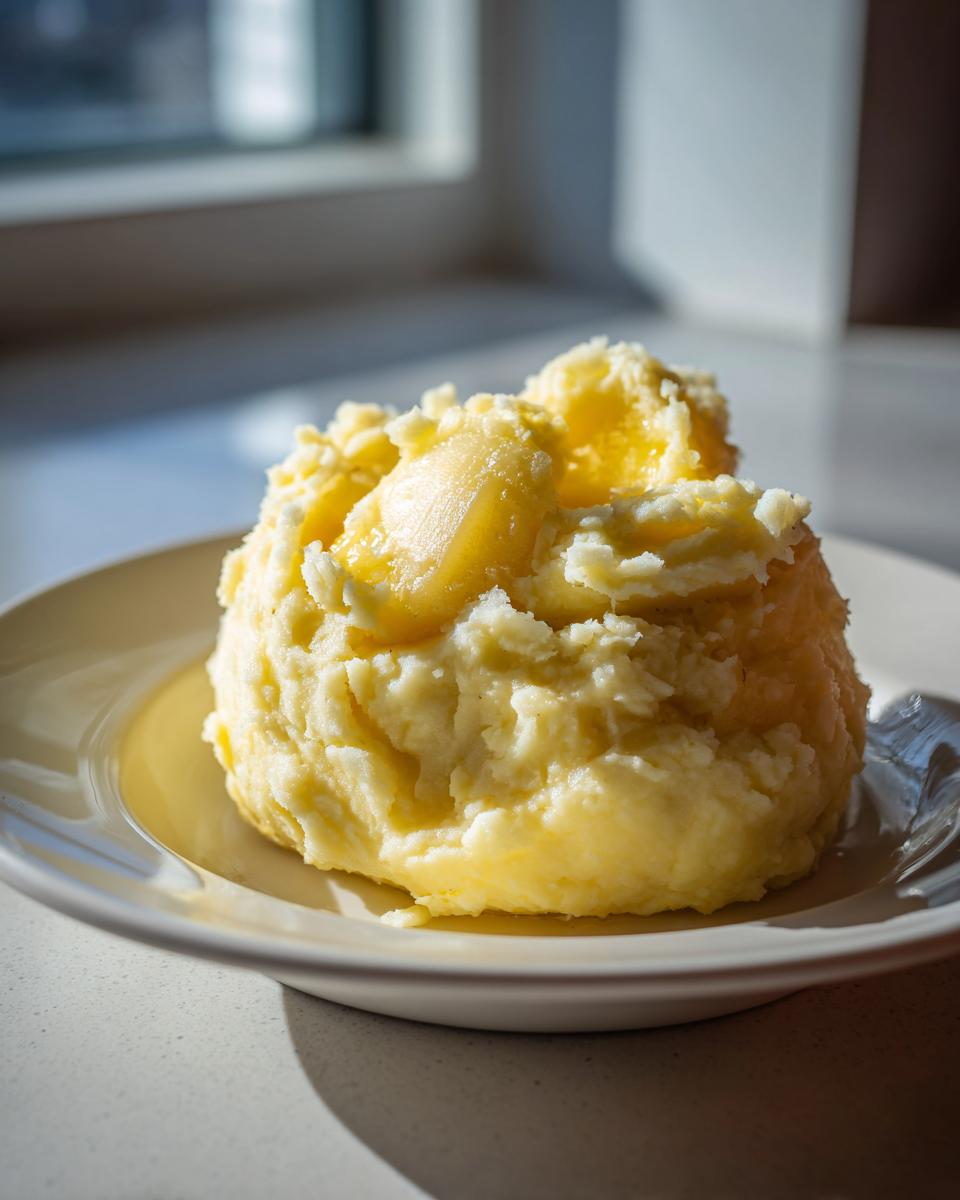
I need to stress this: If you are using an electric mixer here, you are asking for trouble! Overmixing the cooked mashed potatoes causes them to release starch too aggressively, turning them gluey almost instantly. We want elegance, not glue! For the *absolute* best results for your homemade mashed potatoes, check out my tips on the right mashing techniques later in this guide.
Mashing Techniques for the Ideal Mashed Potatoes Texture
I want you to feel fully equipped to handle any potato situation, so let’s talk tools. While a trusty hand masher gets the job done for a rustic side, if you are aiming for that incredibly rich and smooth potatoes texture we discussed, you need to be gentler on the starch. Mastering the technique is really the secret ingredient for truly impressive mashed potatoes.
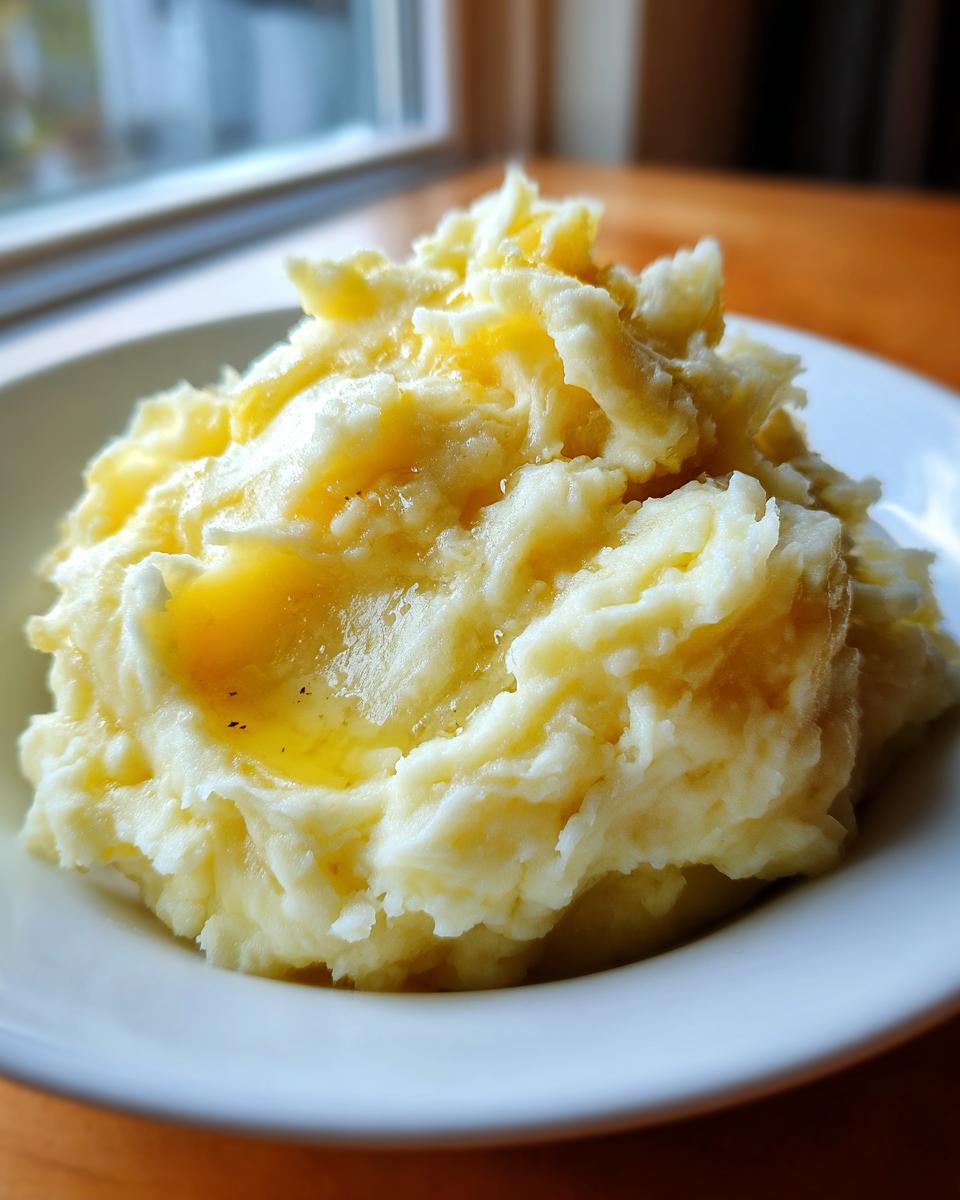
I often tell people that the best mashed potatoes are made with patience, not power. Using the wrong equipment is the fastest way to ruin this beautiful comfort food side. For more inspiration on potato perfection, you might enjoy my recipe on potato dumplings!
Why You Should Avoid Electric Mixers for Mashed Potatoes
This is so important. Please, resist the urge to use your stand mixer or an electric hand mixer! When you switch to high speed, those beaters violently break down the cooked potato cells. This releases way too much starch, resulting in a heavy, sticky, almost elastic texture—the dreaded gluey consistency that ruins the fluffiness.
If you truly want to elevate your mashed potatoes, invest in a potato ricer or, even better, a food mill. These tools gently push the cooked potato through small holes, separating the pieces without overworking the starch. It takes an extra minute or two compared to using a machine, but it guarantees that light, luxurious finish every time. You can see how much I love sharing these little secrets over at Tiny Kitchens, Big Flavors, too!
Variations on Classic Mashed Potatoes
Once you have mastered the foundational, impossibly creamy mashed potatoes, you might want to experiment a little! That’s the best part about cooking, right? Even though this recipe is beautiful on its own—a quintessential *comfort food*—it makes a fantastic canvas for flavor additions. Since we are focusing on approachable elegance here at Unfold Recipes, I keep these enhancements simple so they don’t add unnecessary fuss to your cooking process.
Think about how a little freshness or depth can elevate a classic side dish. These simple additions still respect the buttery mashed potatoes base without making them overly complicated for a weeknight.
Simple Mashed Potato Recipe Add-Ins
You should wait until the very end, after you’ve checked the seasoning, to stir in any major additions. This way, if you decide you love the pure flavor, you haven’t committed yet!
- Roasted Garlic Kick: If you love garlic mashed potatoes, don’t just toss in raw garlic! Take an entire head of garlic, slice the top off, drizzle it with olive oil, wrap it in foil, and roast it until soft (about 30 minutes at 400°F). Squeeze the sweet, mellow cloves right into your hot potatoes before adding the final salt and pepper. It’s deep, complex flavor with almost zero effort.
- Sharp Cheddar Swirl: For an elegant twist that leans into those *cheddar mashed potatoes* we all secretly crave, grate about half a cup of a good, sharp cheddar cheese. Stir it in off the heat just until it melts smoothly into the potatoes. The tang cuts through the richness of the butter beautifully.
- A Touch of Green: My Mediterranean influence sometimes sneaks in! Try skipping the optional heavy cream and, instead, stir in a tablespoon of finely chopped fresh chives or parsley right at the end. It brightens the entire dish up visually and flavor-wise. It’s a fantastic way to make your potatoes look like they took twice as long to prepare!
For pairing with robust main courses, perhaps a slow-cooked dish, you might want to check out my garlic bread recipe—it’s perfect for soaking up any extra buttery goodness left on your plate!
Serving Suggestions for Your Buttery Mashed Potatoes
A dish this wonderful deserves a wonderful partner on the plate! Honestly, these buttery mashed potatoes are so rich and perfectly seasoned, they elevate any main course you serve them against. They truly shine as the ultimate *best side dish recipe* because they don’t fight the flavor of the entree; they support it beautifully.
When I’m hosting, I aim for balance. If the main course is rich and heavy, the buttery mashed potatoes provide a soft, creamy foundation. If the main leans lighter, the richness of the potatoes stands up proudly.
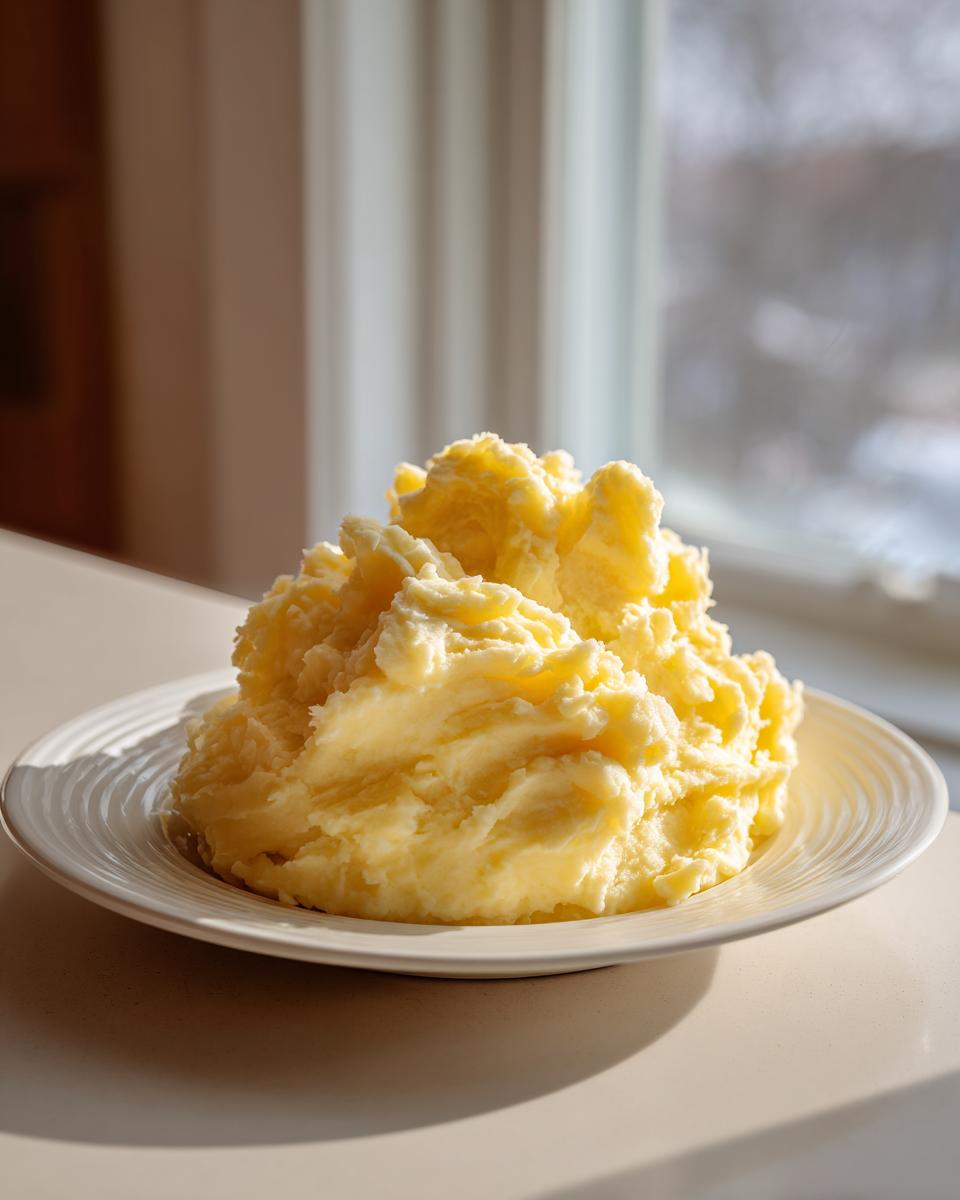
For a truly special, elegant dinner that feels effortlessly put-together, you absolutely have to pair these with a slow-cooked meat. Take my recipe for slow cooker pot roast; the savory drippings mingle perfectly with the warm milk and butter in the potatoes. It’s classic comfort food done right.
If you are aiming for that modern Mediterranean style we embrace here, consider serving these alongside simple grilled lamb chops seasoned with rosemary and lemon zest. The brightness of the lemon is such a lovely contrast to the buttery mashed potatoes. And if you must have wine? A younger, fruit-forward Pinot Noir always sings alongside both roasted meats and earthy potatoes!
Storage and Make Ahead Mashed Potatoes Tips
I know that for big occasions like the holidays, you cannot possibly cook everything fresh right before everyone sits down. That’s why having a reliable method for make ahead mashed potatoes is an absolute lifesaver! The key here is preserving that lovely, fluffy texture even after refrigeration. We don’t want our potatoes drying out or, worse, turning into a solid brick overnight.
If you’ve prepared your mashed potatoes according to the steps above, they are already fairly robust because we used Yukon Golds and added cream. This gives us a better base for storage than starchy russets!
For refrigeration, you should cool them down relatively quickly after making them. Place the finished potatoes in an airtight container—a glass storage container works wonderfully—and pop them into the fridge. They keep beautifully for about three to four days. This means you can get that major component of your potato side dish done well in advance of guests arriving!
The Best Way to Reheat Your Mashed Potatoes
Reheating is where most people lose the magic of their homemade mashed potatoes, but it’s so simple once you know the trick. You need to reintroduce moisture slowly as you heat them back up.
I strongly recommend avoiding the microwave for the whole batch if you can. The microwave heats unevenly and can easily make the edges tough while leaving the middle cold. If you must use it, only reheat small portions at a time, stirring every 30 to 45 seconds.
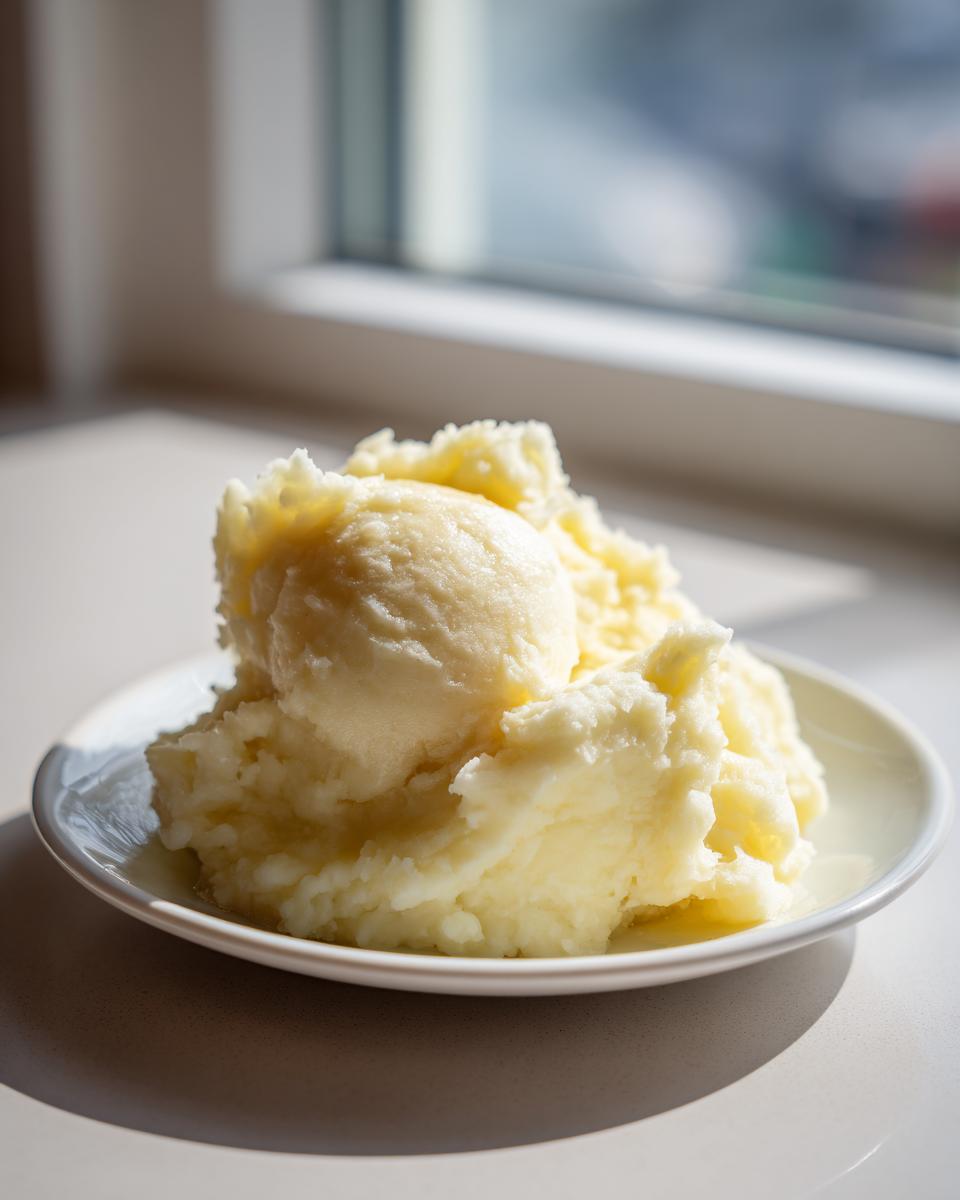
The absolute best way to reheat your make ahead mashed potatoes is slowly on the stovetop. Transfer the chilled potatoes to a heavy-bottomed saucepan over low heat. Before you even turn the burner on, stir in a splash of warm milk or a bit of reserved heavy cream—maybe just a tablespoon or two to start. Stir constantly, gently, until they are heated through and look creamy again. Don’t rush this! Because you dried them slightly before chilling, they will absorb this added liquid perfectly, bringing back that just-made richness.
Frequently Asked Questions About Mashed Potatoes
I know that when you venture out to make something as beloved as the perfect dinner side dish, questions are bound to pop up. Even after running through the detailed steps for these creamy mashed potatoes, I always hear the same few queries. Let me clear those up for you so you can proceed with total confidence! For more general cooking thoughts and inspiration, feel free to browse my latest posts on the Unfold Recipes blog.
Can I use Russet potatoes instead of Yukon Gold for creamy mashed potatoes?
Oh, this is a big one! You absolutely *can* use Russets, especially if you prefer a lighter, fluffier texture that leans more towards classic, old-school potatoes. However, Russets have a much higher starch content. That high starch means they absorb liquid differently and are much more prone to breaking down and becoming gluey if you look at them wrong! If you use Russets, you will need to be slightly more generous with your additions of warm milk and butter—your buttery mashed potatoes will still be delicious, but they won’t have that inherent, naturally rich texture that the Yukon Golds give us right out of the pot.
How do I prevent my mashed potatoes from becoming gluey?
This is the question every home cook asks about mashed potatoes! It all comes down to gentle handling and temperature control. First, you must ensure your liquids (milk and cream) are warmed up before they ever see the potatoes. Second, and this is vital: stop mixing as soon as the ingredients are incorporated. Whether you are mashing by hand or using a ricer, the moment you see smooth, creamy mashed potatoes, stop! Any further agitation activates the starch and turns them gluey before your eyes.
What is the best way to reheat leftover mashed potatoes?
Don’t let those leftovers go to waste! The best way to revive them is slow and steady on the stovetop. Transfer the cold leftovers to a heavy-bottomed saucepan over very low heat. Before you even turn the flame on, stir in a small splash of warm milk or some chicken broth if you still have some on hand. You want just enough liquid to loosen them up. Stir constantly, gently, until they warm through evenly. This reintroduces the moisture needed to make them taste fresh again!
Share Your Perfect Mashed Potatoes Experience
I truly hope you feel more confident now about creating the ultimate creamy mashed potatoes. This recipe is one of my most requested, and I love seeing how it becomes a staple side dish in your own celebrations!
My kitchen feels complete when I serve a dish that brings genuine joy, and there is nothing more comforting than perfectly executed, buttery mashed potatoes. Now it’s your turn to share the story!
Please leave me a star rating below—did they turn out fluffy? Were they rich and smooth? I read every single comment. And if you tried one of the variations, like adding roasted garlic or sharp cheddar, I’d love to know your impressions. How did you serve this comfort food side? Did you pair it with roast chicken, or maybe a beautiful slow-cooked cut of beef?
Tag me on social media when you make a batch; I get such a thrill from seeing my recipes come to life on your tables. Happy mashing, and I’ll see you in the next recipe!
PrintThe Ultimate Creamy and Fluffy Mashed Potatoes
This recipe delivers rich, smooth mashed potatoes using Yukon Gold potatoes, butter, and warm milk. It is designed to be an approachable yet elegant side dish perfect for weeknight dinners or holiday feasts.
- Prep Time: 15 min
- Cook Time: 25 min
- Total Time: 40 min
- Yield: 6 servings 1x
- Category: Side Dish
- Method: Boiling and Mashing
- Cuisine: American
- Diet: Vegetarian
Ingredients
- 3 lbs Yukon Gold potatoes, peeled and quartered
- 1 cup whole milk, warmed
- 8 tablespoons unsalted butter, cut into pieces
- 1 teaspoon salt, or to taste
- 1/2 teaspoon black pepper
- 1/4 cup heavy cream (optional, for extra richness)
Instructions
- Place the peeled and quartered potatoes in a large pot and cover them with cold water. Add 1 teaspoon of salt to the water.
- Bring the water to a boil over high heat, then reduce the heat to maintain a steady simmer. Cook until the potatoes are fork-tender, about 15 to 20 minutes.
- Drain the potatoes completely in a colander. Let them sit for 2 minutes to allow excess steam to evaporate; this prevents watery potatoes.
- Return the drained potatoes to the warm, empty pot over very low heat for 1 minute, shaking gently to dry them further. Remove from heat.
- Add the butter pieces to the hot potatoes and let them melt for 1 minute. Gently mash the potatoes with a potato masher until they are mostly broken down.
- Gradually pour in the warm milk while continuing to mash or gently stir with a wooden spoon. Mix until you reach your desired creamy consistency. Do not overmix, as this can make the potatoes gluey.
- Stir in the heavy cream, if using, along with the salt and pepper. Taste and adjust seasoning as needed.
- Serve the rich and smooth potatoes immediately.
Notes
- For the fluffiest texture, use a potato ricer or a food mill instead of an electric mixer.
- Using Yukon Gold potatoes results in naturally creamy mashed potatoes compared to Russet potatoes.
- Warm the milk and butter before adding them to the potatoes to maintain the heat and prevent the mixture from cooling down too quickly.
Nutrition
- Serving Size: 1 serving
- Calories: 310
- Sugar: 3
- Sodium: 450
- Fat: 20
- Saturated Fat: 12
- Unsaturated Fat: 8
- Trans Fat: 0.5
- Carbohydrates: 30
- Fiber: 3
- Protein: 5
- Cholesterol: 55