
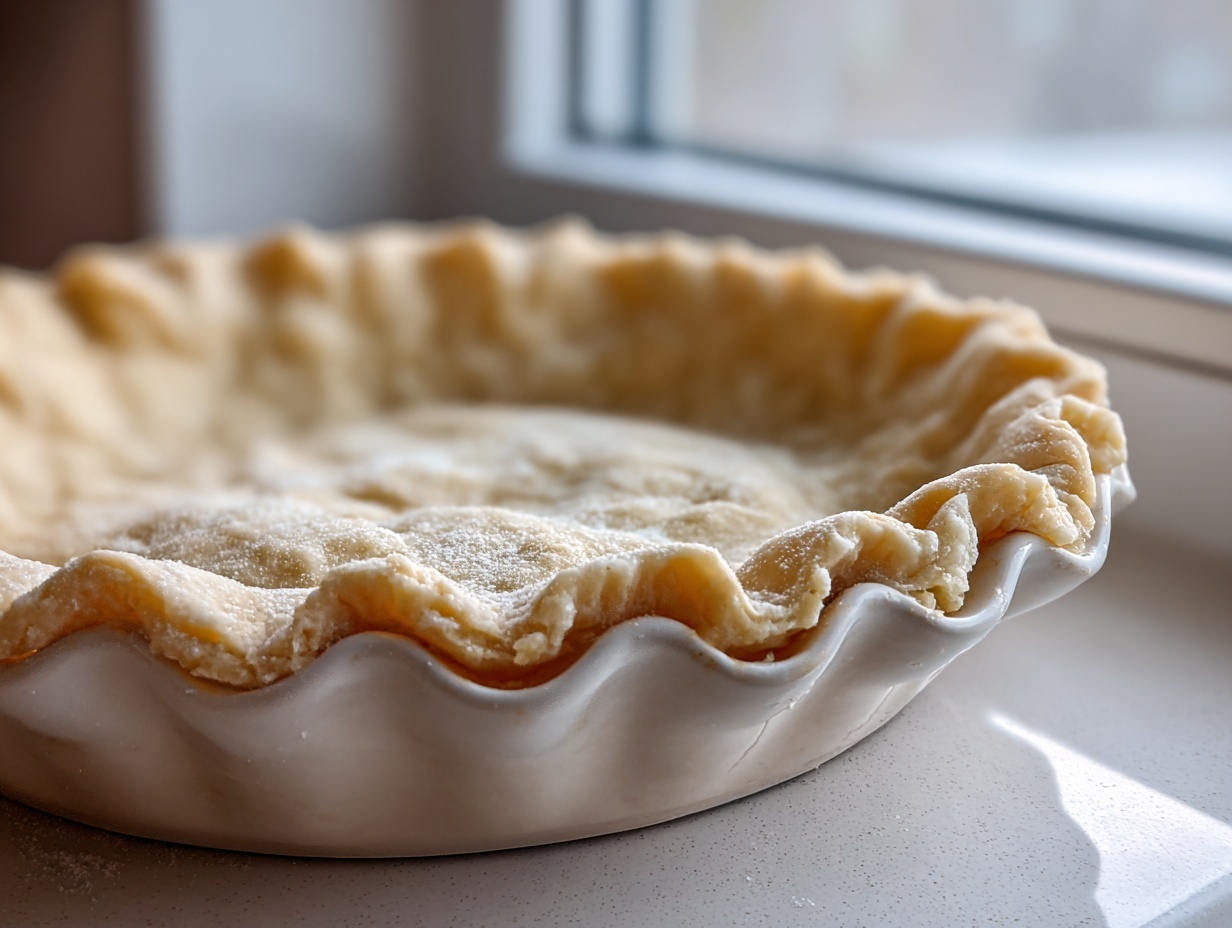

A truly magnificent pie—whether it’s a rich, deep pumpkin dessert or a hearty savory chicken pot pie—always hinges on what lies beneath: the foundation. If the crust is sad and tough, the whole experience falls flat, doesn’t it? That’s why I spent countless hours honing this technique after culinary school. I’m Catherine Valdès, and I promise you, this Best Flaky All-Butter Pie Crust Recipe is the one you’ll rely on for every holiday and Sunday dinner. It’s elegant enough for company, yet so reliable, it feels like cheating. We’re going for unbelievable flakiness here, people!
- Why This is the Best pie crust recipe for Your Kitchen
- Ingredients for Your pie crust recipe
- How to Make pie crust recipe: Step-by-Step Instructions
- Baking Tips for Pie Crust Success
- Troubleshooting Common pie crust recipe Issues
- Storage and Make-Ahead Tips for this pie crust recipe
- Frequently Asked Questions About Your Homemade Pie Crust Recipe
- Estimated Nutritional Data for this pie crust recipe
- Share Your Best pie crust recipe Creations
- Estimated Nutritional Data for this pie crust recipe
- Share Your Best pie crust recipe Creations
Why This is the Best pie crust recipe for Your Kitchen
I’m telling you, putting the time into mastering this pie crust recipe is completely worth it. Forget those waxy store-bought versions; ours is 100% all-butter, and that buttery flavor just sings! After my time in culinary programs, I realized that the absolute best pastries rely on simple, high-quality ingredients handled correctly. This formula delivers that incredibly flaky, tender result you see in professional bakery windows, but without any fuss. You can trust it for your big holiday bakes.
Achieving the Perfect Flaky Pie Crust Texture
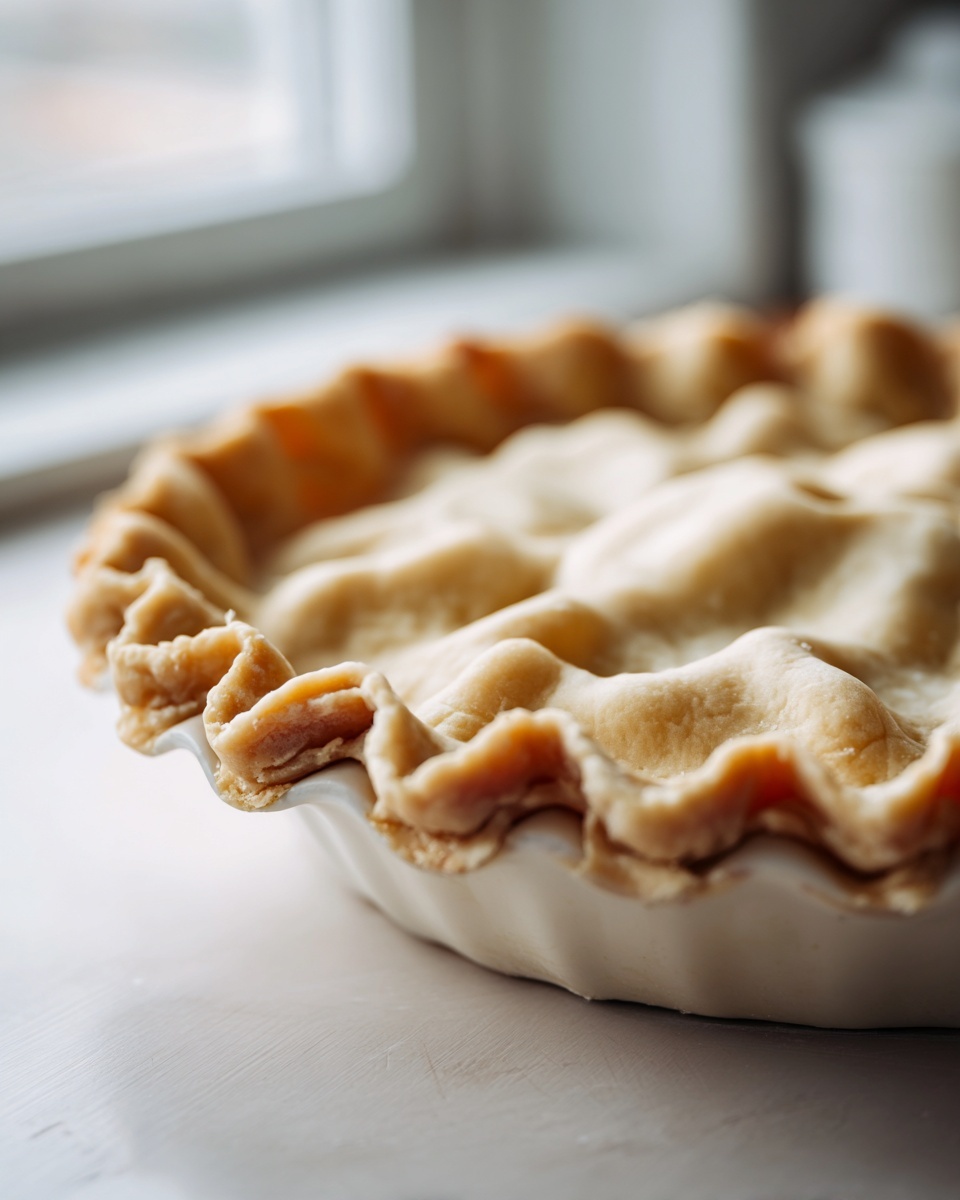
What makes this a superior Flaky Pie Crust? It really comes down to physics, mixed with a little love. The secret is keeping your butter cubes distinct and frigidly cold. When those solid pieces hit the hot oven, they melt quickly, creating steam pockets that push the layers of dough apart. That steam is trapped by minimal mixing—we only mix until the dough *just* holds together. Seriously gentle hands here!
Versatility of this pie crust recipe
This isn’t just for apple pie, darling. This simple pie crust recipe is sturdy enough to handle thick, bubbling fruit fillings, yet delicate enough for the lightest custard. I use the exact same formula for my savory dishes, like my famous Chicken Pot Pie, just omitting that hint of sugar. It transforms beautifully into a lovely Savory Pie Crust Recipe base for quiches too. It truly does everything!
Ingredients for Your pie crust recipe
When we talk about making the Best Flaky All-Butter Pie Crust Recipe, the quality and preparation of the ingredients are non-negotiable. I’ve listed everything below exactly as I use it in my kitchen. Remember, simple ingredients demand respectful treatment—especially that butter! You’ll see I included a link to my Blueberry Pie Recipe, which uses this exact base, if you need inspiration later!
- 2 1/2 cups all-purpose flour
- 1 teaspoon salt
- 1 tablespoon granulated sugar
- 1 cup (2 sticks) unsalted butter, very cold and cut into 1/2-inch cubes
- 1/2 cup ice water, plus 1-2 tablespoons more if needed
Ingredient Notes and Substitutions for this pie crust recipe
The temperature of your ingredients is honestly the biggest indicator of whether you have a successful pie crust recipe. That butter has to be deeply cold—I mean rock hard! Cutting it into half-inch pieces is crucial because those chunks are what separate into lovely flaky layers later on. If you skip chilling the water, you’re asking for trouble; use ice cubes to keep that water frigid. If you’re making a Savory Pie Crust Recipe for a quiche or pot pie, just skip that tablespoon of sugar listed above. Easy adjustment! This careful preparation is the essence of a good All Butter Pie Crust Tutorial. If your butter starts getting soft while you’re working, just pop the bowl in the freezer for five minutes. Trust me on this little mid-mix break!
How to Make pie crust recipe: Step-by-Step Instructions
Now that we have our perfect ingredients, let’s talk technique. The instructions look simple, and they are, but there’s a rhythm to them. I vividly remember the first time I tried making a truly pie crust recipe entirely from scratch—I ended up with something closer to a large, crumbly cookie! It wasn’t until I slowed down and respected the temperature of the butter that everything clicked. You’ll be using the provided directions below, but remember, patience is your main tool here. Don’t rush the chilling; it’s the backbone of a great crust for your Classic Homemade Apple Pie!
Mixing the Dough for a Tender Pie Crust
When you start combining things, you are aiming for texture, not uniformity. You need to cut that cold butter into the flour mixture until it looks rustic—think coarse meal with some visible, small, pea-sized chunks of butter still floating around. Those chunks are the key to a Tender Pie Crust! When it’s time for water, sprinkle it in slowly and use a fork to combine. Stop the second you see the dough trying to hold onto itself. If you over-mix here, you activate the gluten too much, and that lovely flakiness disappears right before your eyes!
Chilling and Rolling Out Your pie crust recipe
That chilling step isn’t optional, my friends. It solidifies the butter again, preventing it from melting into the flour as you roll. Wrap those dough discs tightly and put them in the fridge for at least an hour. Once chilled, take one disc out just long enough to become pliable—maybe 10 minutes on the counter. Flour your surface well, and roll from the center outwards in a slow, even motion to create a 12-inch circle. This is how you achieve that beautiful, even thickness necessary for an Easy Pie Pastry Dough. If you find the edges tearing while you’re rolling out this pie crust recipe, just gently press the tear closed; it’s often minor!
Baking Tips for Pie Crust Success
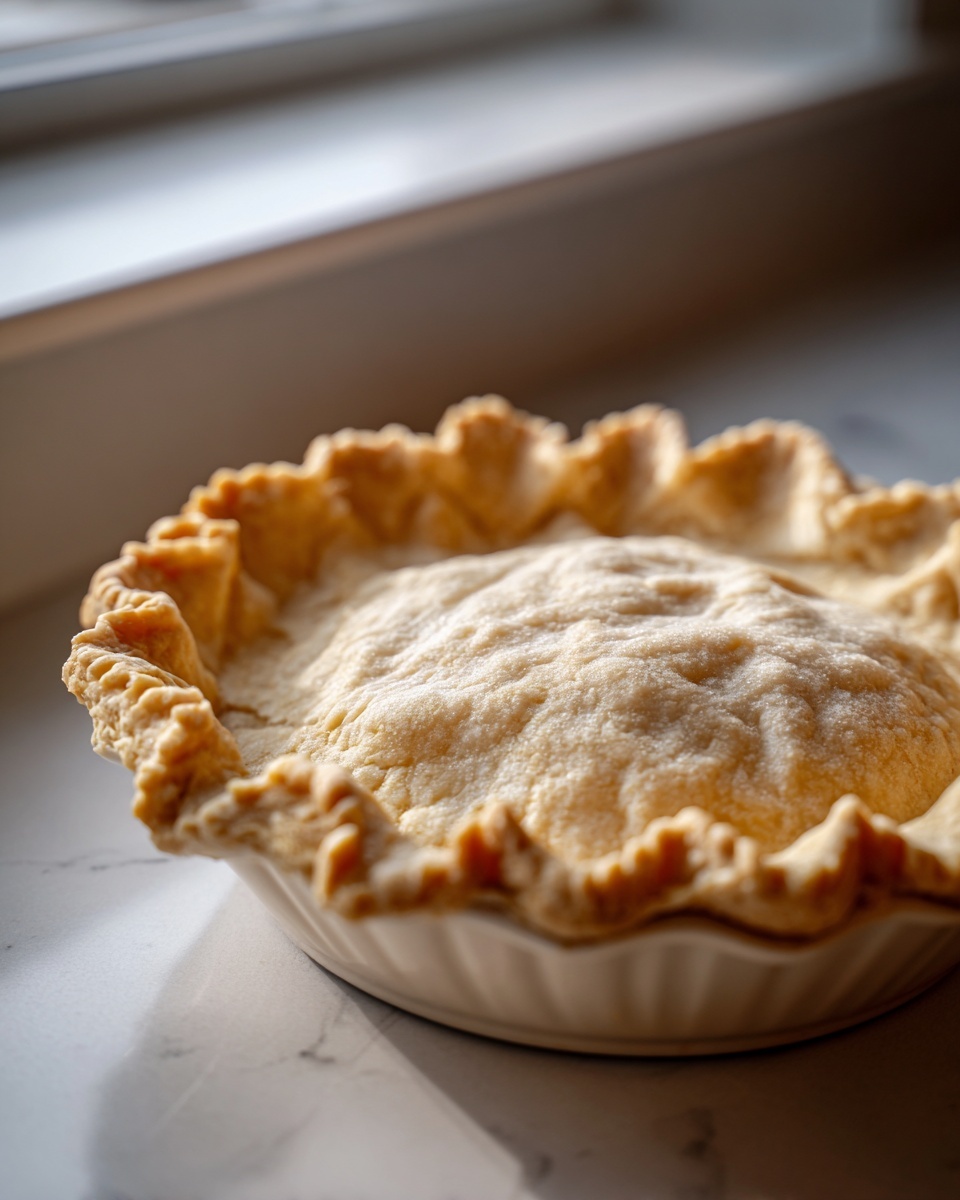
Once your beautiful pastry is nestled in the pan, the real test begins—the baking! I’ve learned through trial and error (and yes, I’ve had a few soggy bottoms in my day) that avoiding issues like shrinkage or a wet base requires a few smart moves before the oven gets involved. These are the non-negotiable Baking Tips for Pie Crust that ensure that buttery structure holds up to any filling you choose, whether you’re making a creamy coconut custard or something more substantial. You can find extra guidance on dealing with thicker fillings, like in my Cherry Pie with Lattice Crust recipe.
How to Blind Bake Your pie crust recipe
If your pie filling doesn’t require any baking time—like for a fresh cream or chiffon pie—you have to blind bake that pie crust recipe first. This is absolutely essential for that crisp bottom! First, prick the base all over with a fork; those little holes let steam escape. Next, line the shell with parchment paper and fill it completely with pie weights, dried beans, or even uncooked rice. Bake until the edges look slightly golden, remove the weights and paper, and then bake for a few more minutes until the base looks dry. This trick ensures you get that perfect, non-soggy final product when you perform the full Blind Bake Pie Crust!
Troubleshooting Common pie crust recipe Issues
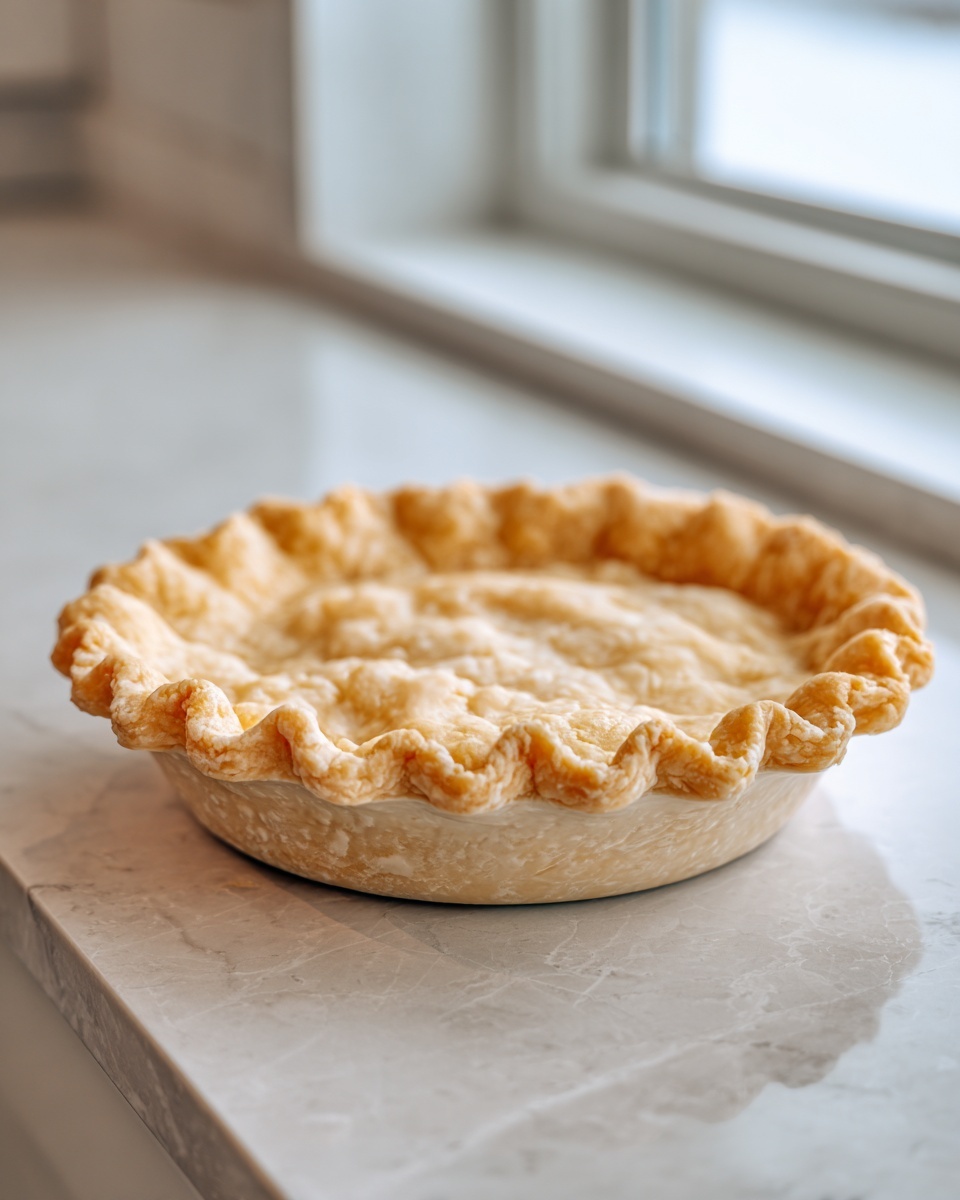
Even the best intentions can sometimes lead to kitchen oopsies, right? Don’t toss that dough yet! Dealing with a tough pie crust usually means you worked it too much once the water went in. If your dough is seizing up and shrinking away from the edges of the plate while baking, I guarantee you didn’t chill it long enough; the gluten molecules need that mandatory rest period to relax. If the butter melted while you were forming the discs, pop the whole thing into the freezer for ten minutes before rolling.
It’s all fixable, honestly. A tough dough can sometimes be saved by kneading it very briefly with only an extra teaspoon of ice water until it comes together, though sometimes rolling it super thin is the only answer. Remember, for this recipe, gentleness beats brute force every single time!
Storage and Make-Ahead Tips for this pie crust recipe
One of the reasons I love this pie crust recipe so much is that it is absolutely brilliant for making ahead! When the holidays roll around, doing things in stages saves my sanity, and this dough is perfect for that. You can prep this dough up to two days in advance, which means less stress when you actually need to bake those pies. I often make a double batch just to have an extra disc lurking in the fridge for last-minute quiches or a spontaneous fruit tart!
When you’ve formed those two discs after mixing, wrap each one really tightly in plastic wrap. This prevents it from drying out and developing that weird, papery skin on the surface. For refrigeration, one hour is the minimum, but honestly, 24 hours seems to make the texture even better. It allows the flour to fully hydrate slowly.
If you need to keep it even longer, freezing is your friend. Wrap those tight discs in a double layer of plastic wrap, and then slide them into a freezer-safe zip-top bag. You can keep this Buttery Pie Dough frozen solid for up to three months! When you’re ready to use a frozen disc, the trick is to thaw it slowly in the refrigerator overnight. Don’t try to rush it on the counter or in the microwave, or you risk having parts that are too soft while other parts are still rock-hard. A slow thaw ensures you get that perfect rollability again for your Pumpkin Dump Cake topping or whatever amazing pie filling you’ve dreamed up!
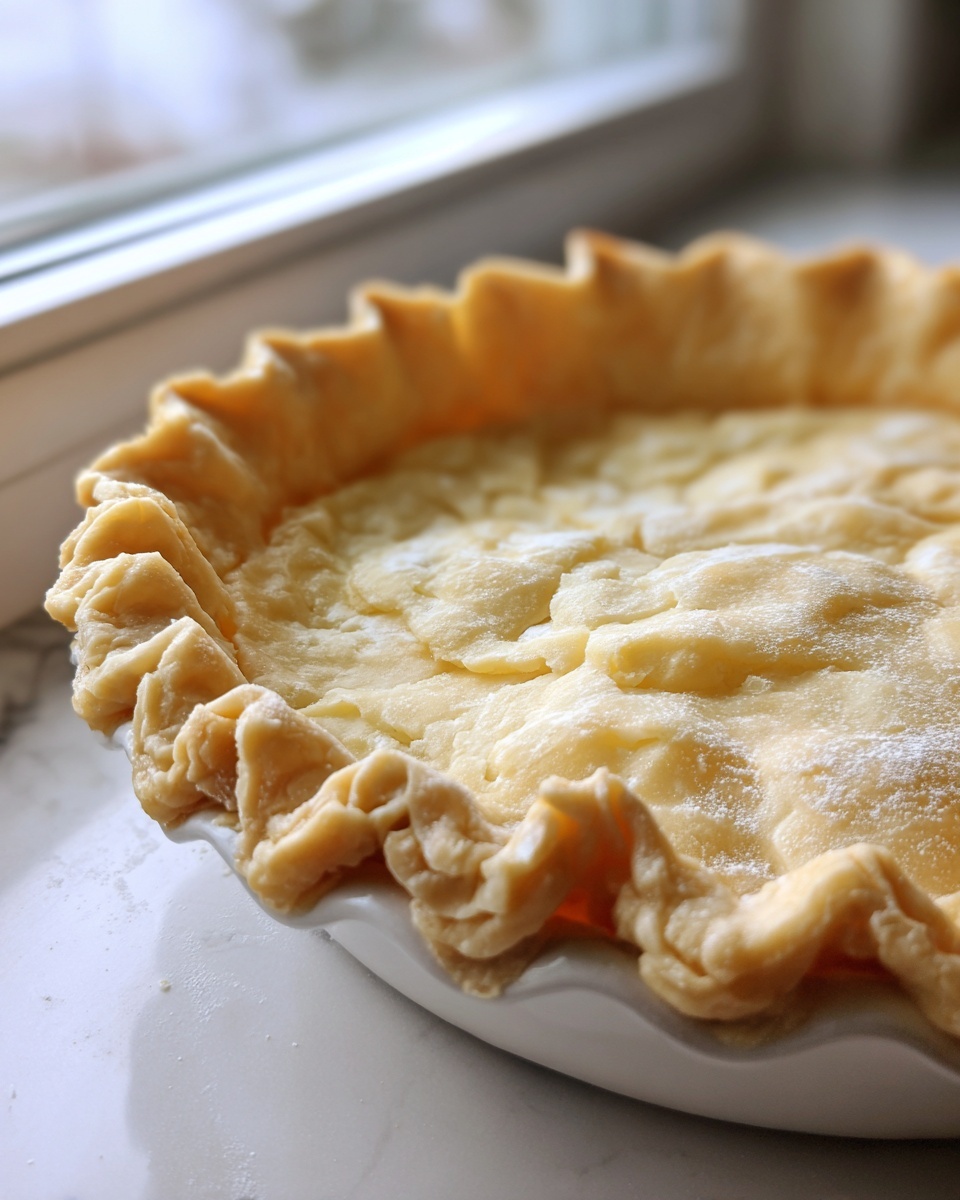
Frequently Asked Questions About Your Homemade Pie Crust Recipe
I get so many wonderful questions about this pie crust recipe! Baking involves a lot of little details, so if you’re staring at your dough wondering if it’s going to cooperate, chances are someone else did too. Here are a few of the most common things folks ask me about achieving the best, flakiest pastry possible. I’ve packed these answers with the experience I picked up learning this Homemade Pie Crust Recipe from scratch.
Can I use shortening or lard instead of all butter in this pie crust recipe?
This is the million-dollar question! Look, shortening certainly contributes to tenderness because it has a higher melting point than butter, which helps hold those flaky layers during rolling. But honestly, if you want that incredible, true, rich flavor? You need butter. My absolute favorite All Butter Pie Crust Tutorial emphasizes using only butter because the flavor is unmatched, even if it requires a little more care to keep it cold. If you *must* substitute, I recommend a 50/50 mix for a compromise between flavor and structure, but my strong advice is to stick with all butter for the best results!
Is the chilling time truly necessary for this easy pie pastry dough?
If you want that genuinely flaky texture everyone raves about—yes, chilling is essential! Think of chilling as setting the foundation of a house; you can’t build the walls without a solid base. Chilling allows the gluten strands in the flour that developed during mixing to relax. If you don’t let them rest, they tighten right back up when you roll them out, leading to cracking, shrinking, or a dough that fights you every inch of the way. If you’re in a real pinch, you can certainly try to roll it out sooner, but it leans toward a tougher texture. My advice: Plan ahead and trust the chill time for that Easy Pie Pastry Dough.
How do I adjust this recipe for a single crust versus a double crust?
This recipe yields precisely enough dough for one magnificent double-crust 9-inch pie, or two single-crust shells, as detailed in the recipe notes. If you only need one crust—say, for a lovely custard pie or if you plan to Blind Bake Pie Crust—simply wrap one of the two discs tightly and freeze the other one! When you are ready to roll, treat that single disc exactly as you would for the top or bottom layer of a double crust. It’s such a fantastic base that having the second disc saved in the freezer for later is always a good idea!
Why is my buttery pie dough shrinking when I bake it?
Shrinkage almost always happens for one reason: the dough wasn’t cold enough when it hit the oven, or you overworked it mixing it. When the dough heats up too fast, the relaxed gluten molecules seize up aggressively in the heat, pulling the edges inward. Make sure your dough has rested that full hour in the fridge before you even attempt to roll it. If you are rolling it out and it starts feeling floppy or sticky, stop immediately, wrap it up, and put it back in the fridge for 20 minutes. This gentle rest ensures that when you finally put your beautiful Buttery Pie Dough into the pan, it stays put and bakes beautifully!
Estimated Nutritional Data for this pie crust recipe
I always try to give you a full picture here at Unfold Recipes, which includes understanding what goes into our food. While these figures are estimates—because your exact butter brand or how thin you roll things changes things drastically—this gives you a good baseline understanding for standard use of this pie crust recipe.
Please remember, this estimate is based on the recipe yielding eight equal servings (1/8 of the dough). If you use it for a deep-dish pie and cut it fewer times, the nutrition per slice will shift!
- Calories: Approximately 300 per serving
- Total Fat: Around 21g (with about 13g saturated fat)
- Carbohydrates: Roughly 25g
- Protein: About 4g
Share Your Best pie crust recipe Creations
Honestly, creating this pie crust recipe has brought me so much joy, and I truly hope it brings you joy in your kitchen, too. Baking should always be fun and delicious, not stressful! If you made this flaky, all-butter crust—whether it held up a savory chicken pot pie filling or supported a gorgeous holiday apple dessert—I would absolutely love to know how it went. Did the butter chunks create those perfect layers you were hoping for? Did you find it to be the Best Pie Crust from Scratch you’ve ever made?
Please leave me a star rating below and share your thoughts in the comments. If you tried it out for Thanksgiving or Christmas pie season, snap a picture and tag me! I check the comments daily and love seeing your beautiful bakes come to life. You can always reach out to me directly if you have any further questions about this pastry technique through my Contact page. Happy pie making!
Estimated Nutritional Data for this pie crust recipe
I always try to give you a full picture here at Unfold Recipes, which includes understanding what goes into our food. While these figures are estimates—because your exact butter brand or how thin you roll things changes things drastically—this gives you a good baseline understanding for standard use of this pie crust recipe.
Please remember, this estimate is based on the recipe yielding eight equal servings (1/8 of the dough). If you use it for a deep-dish pie and cut it fewer times, the nutrition per slice will shift!
- Calories: Approximately 300 per serving
- Total Fat: Around 21g (with about 13g saturated fat)
- Carbohydrates: Roughly 25g
- Protein: About 4g
Share Your Best pie crust recipe Creations
Honestly, creating this pie crust recipe has brought me so much joy, and I truly hope it brings you joy in your kitchen, too. Baking should always be fun and delicious, not stressful! If you made this flaky, all-butter crust—whether it held up a savory chicken pot pie filling or supported a gorgeous holiday apple dessert—I would absolutely love to know how it went. Did the butter chunks create those perfect layers you were hoping for? Did you find it to be the Best Pie Crust from Scratch you’ve ever made?
Please leave me a star rating below and share your thoughts in the comments. If you tried it out for Thanksgiving or Christmas pie season, snap a picture and tag me! I check the comments daily and love seeing your beautiful bakes come to life. You can always reach out to me directly if you have any further questions about this pastry technique through my Contact page. Happy pie making!
PrintThe Best Flaky All-Butter Pie Crust Recipe
Create a perfectly flaky and buttery homemade pie crust from scratch. This simple, all-butter recipe is reliable for sweet pies, savory pot pies, and quiches.
- Prep Time: 20 min
- Cook Time: 0 min
- Total Time: 1 hr 20 min
- Yield: One double-crust 9-inch pie
- Category: Baking Base
- Method: Pastry Making
- Cuisine: American
- Diet: Vegetarian
Ingredients
- 2 1/2 cups all-purpose flour
- 1 teaspoon salt
- 1 tablespoon granulated sugar
- 1 cup (2 sticks) unsalted butter, very cold and cut into 1/2-inch cubes
- 1/2 cup ice water, plus 1-2 tablespoons more if needed
Instructions
- Combine the flour, salt, and sugar in a large bowl. Whisk them together to mix well.
- Add the cold butter cubes to the flour mixture. Use a pastry blender or your fingertips to cut the butter into the flour until the mixture resembles coarse crumbs with some pea-sized pieces of butter remaining. These pieces create the flakiness.
- Gradually add the ice water, one tablespoon at a time, mixing gently with a fork until the dough just starts to come together. You may not need all the water. Do not overmix.
- Turn the dough out onto a clean surface. Gently gather the dough and press it into two equal discs. Wrap each disc tightly in plastic wrap.
- Chill the dough discs in the refrigerator for at least 1 hour, or up to 2 days. This step is important for a tender pie crust.
- When ready to use, let one disc sit at room temperature for 5-10 minutes to soften slightly. On a lightly floured surface, roll the dough out from the center outward into a 12-inch circle.
- Carefully transfer the dough to your pie plate. Trim and crimp the edges as desired.
- For a double crust pie, repeat the rolling process for the top crust. If blind baking, prick the bottom crust all over with a fork.
- Bake according to your pie recipe instructions.
Notes
- Keep all ingredients, especially the butter and water, very cold for the flakiest results.
- If you are short on time, you can skip the chilling step, but the dough will be slightly harder to roll out.
- This recipe makes enough dough for one double-crust 9-inch pie or two single 9-inch crusts.
- For a savory pie crust, omit the tablespoon of sugar.
Nutrition
- Serving Size: 1/8 of dough
- Calories: 300
- Sugar: 0.5
- Sodium: 250
- Fat: 21
- Saturated Fat: 13
- Unsaturated Fat: 8
- Trans Fat: 0.5
- Carbohydrates: 25
- Fiber: 1
- Protein: 4
- Cholesterol: 55