
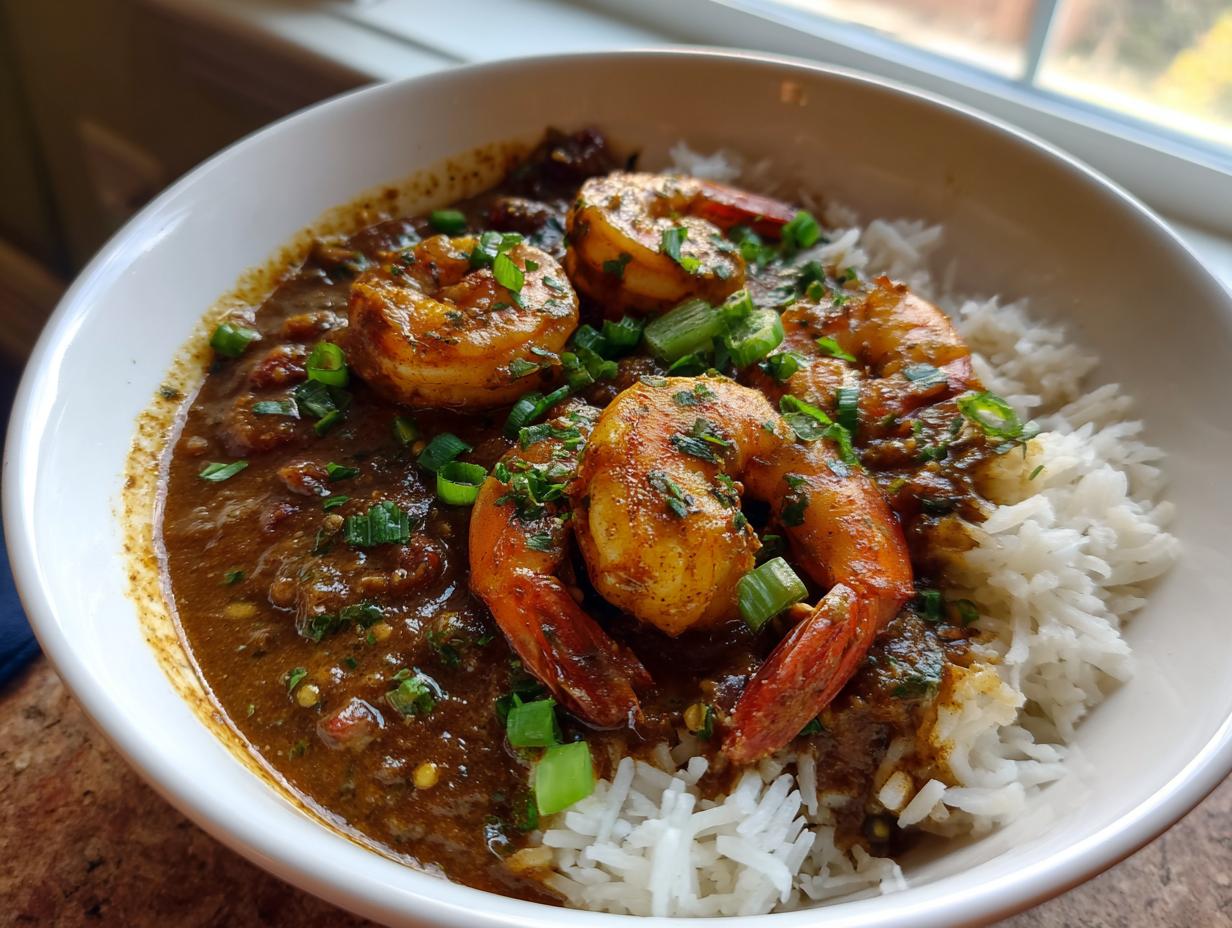

When you think of true, soul-satisfying Louisiana comfort food, what immediately comes to mind? For me, it has to be a steaming bowl of aromatic, deeply savory shrimp etouffee served over fluffy white rice. This isn’t just a quick meal; it’s a culinary embrace that speaks to the heart of Creole and Cajun cooking. I spent so much time perfecting this recipe to ensure it carries the authentic spirit of New Orleans. As you can read more about over on my About page, food has always been my passion. My goal here is to walk you through every step, especially that crucial foundational technique, so you can create a truly satisfying shrimp etouffee that tastes like it simmered all day.
- Why This Authentic Shrimp Etouffee Recipe Delivers The Best Etouffee Flavor
- Essential Ingredients for Classic Shrimp Etouffee
- How to Make Shrimp Etouffee: Step-by-Step Stovetop Simmering
- Tips for Success When Cooking Shrimp Etouffee
- Serving Suggestions for Your Classic Louisiana Dinner
- Storing and Reheating Your Flavorful Shrimp Stew
- Frequently Asked Questions About Shrimp Etouffee
- Estimated Nutritional Data for Homemade Shrimp Etouffee
- Share Your Experience Making This Shrimp Etouffee
Why This Authentic Shrimp Etouffee Recipe Delivers The Best Etouffee Flavor
What separates a decent shrimp etouffee from the *best etouffee flavor* you’ve ever had in your life? It all comes down to honoring the tradition, my friends. We aren’t taking shortcuts here because that deep, soulful taste takes a little bit of quiet dedication. Trust me, the payoff is huge!
- It relies on a proper, slowly cooked roux, which is the backbone of any great stew.
- We layer flavor using the classic trio you find in every great Louisiana kitchen.
- The simmer time ensures the shrimp absorbs all that incredible seasoning before it ever hits the bowl.
The Foundation: Mastering the Roux for Your Shrimp Etouffee
If you want to master this dish, you must master the roux. Honestly, the roux is the literal soul of your shrimp etouffee—it’s what gives it that rich color and nutty depth. You can’t rush this part, not if you want the authentic look and taste. Think of it as a slow meditation session, only instead of finding inner peace, you’re finding dark chocolate perfection!
My primary tip for hitting that beautiful, dark, chocolate-brown color (the one we aim for) is just pure, unwavering patience. Keep that heat on medium-low and stir constantly for those 20 to 35 minutes. If you see even a hint of burning, immediately pull the pot off the heat for 30 seconds while you stir like crazy. Do this a few times, and you’ll end up with the perfect base, guaranteed.
Building Layers with the Holy Trinity in Your Cajun Shrimp Etouffee
Once that roux is singing, we introduce the holy trinity: onions, celery, and bell pepper. These three veggies are non-negotiable in any true Cajun shrimp etouffee. Adding them slowly, right into the hot roux, is the key to coaxing out their sweetness and letting them meld beautifully with the dark flour base.
They soften up over about eight minutes, releasing their complex aromatic base before we even add the garlic or stock. It’s this layering—roux first, then the trinity—that builds the incredible depth of flavor we are chasing.

Essential Ingredients for Classic Shrimp Etouffee
Now that we have our velvety base, let’s talk about what goes into this pot to make it a truly spectacular shrimp etouffee. Remember, the ingredients have to be ready to go once the roux is done, or the vegetables will slump! You’ll need about a pound of large shrimp, beautifully peeled and deveined, because nobody wants to de-shell after that long stewing time.
Then we stack up our veggies: the onion, the green bell pepper, and celery—all chopped up nice. Don’t forget the minced garlic for that little fragrant punch a minute before the liquids go in. We combine these with our spices: thyme, oregano, and just a touch of cayenne pepper to give it that necessary Louisiana kick, plus a bay leaf for good measure.
Ingredient Notes and Substitution Tips for Shrimp Etouffee
When it comes to stock for your shrimp etouffee, if you can make seafood stock at home, please do! Store-bought stock is fine if you’re in a pinch, but homemade is truly superior for that authentic taste. Also, be very careful with that cayenne—it’s there for background warmth, not to burn you out! Start with just a quarter teaspoon, taste after simmering, and then decide if you need more sparks for your stew.
Also, the diced tomatoes (undrained, please!) bring that touch of acidity. While some super traditional Cajun recipes skip tomatoes, this version leans slightly Creole, giving us that wonderful color and brightness. It’s a flavor powerhouse, trust me!
How to Make Shrimp Etouffee: Step-by-Step Stovetop Simmering
Okay, gathering all your ingredients—the trinity chopped, the stock measured—is half the battle. Now it’s time to put that dark, beautiful roux to work! We’re following the process traditionally found in classic Louisiana kitchens. This isn’t a quick fix, but every single minute invested in the stovetop simmering process pays off in the final beautiful texture of your shrimp etouffee. If you’re looking for quick weeknight inspiration after this, perhaps check out my 15-minute shrimp recipe, but for this, we slow down!
The Crucial Roux Cooking Time for Perfect Shrimp Etouffee
This is where many home cooks get nervous, but you’ve got this! Remember that 20 to 35-minute window we talked about? Once you whisk that flour into your oil in that heavy-bottomed pot, the real work begins. From that point onward, you simply cannot walk away. You need to stir constantly, gently scraping the bottom to prevent scorching—if it burns, we start over! You’re looking for that consistent, rich, dark chocolate color. Don’t stop until you see it—that color means deep, nutty flavor locked into your shrimp etouffee.
Simmering the Flavor Base for Your Creole Seafood Dish
As soon as the roux is dark enough, you toss in your trinity and garlic, of course. Then we add the liquids—the stock, the tomatoes, and all those gorgeous dried spices like thyme and oregano. Bring that whole beautiful mess up to a gentle simmer. Here’s the magic part: you must let it go for at least 30 minutes, partially covered. This long, slow bubble time is what transforms the mixture into a truly complex Creole seafood dish. It allows the spices to bloom and the roux to fully integrate, creating that incredible thickness required for a truly amazing, flavorful shrimp stew.

Tips for Success When Cooking Shrimp Etouffee
We are so close to finishing this glorious shrimp etouffee! The absolute biggest mistake I see people make at this final stage is overcooking the shrimp. Seriously, shrimp cook in about three to five minutes once they hit that hot sauce. You want glossy, pink, opaque—and then they are done! Pull them off the heat right away when they reach that stage.
And remember what I mentioned about testing the flavor? Taste, taste, taste! Before you turn the heat off, really check your salt and pepper levels against the heat from the cayenne. You want that perfect balance. If you need a quick flavor boost next time, you might try my garlic butter shrimp recipe for a completely different, speedy seafood fix!
Serving Suggestions for Your Classic Louisiana Dinner
We’ve worked so hard on that deep, soulful sauce, and the presentation of your Classic Louisiana Dinner should honor that effort! The only way to serve authentic etouffee is absolutely swimming over a generous mound of perfectly fluffy white rice. The rice soaks up all that rich sauce—it’s the best part, honestly!

Don’t forget your garnish! A sprinkle of fresh parsley brightens up the whole plate, though you can certainly skip it if you’re eating it immediately at home. If you want another fabulous side that brings that Southern Comfort Food feel, don’t be afraid to add a crisp, cool side salad, like this creamy coleslaw, for contrast!
Storing and Reheating Your Flavorful Shrimp Stew
What happens the next day? Well, this shrimp etouffee tastes even better the next day, which is dangerous for my willpower! Store any leftovers in an airtight container in the fridge. You want to eat it within three or four days for the best results. Remember we used a beautifully developed roux, so it holds up wonderfully.
When reheating, use a saucepan over medium-low heat. Don’t try to nuke it all at once! Add a splash of extra stock or water if it looks too thick because that roux will settle. Add back your shrimp only during the last minute of simmering—that’s the secret to making sure they don’t turn rubbery while reheating your perfect shrimp etouffee.
Frequently Asked Questions About Shrimp Etouffee
I know you might have a few final questions swirling around before you dive into making this amazing shrimp etouffee. It’s a classic dish, and details matter! Here are a few things readers often ask me, covering everything from substitutions to the specific style we are cooking today.
Can I use chicken instead of shrimp in this Etouffee Recipe?
Absolutely! The roux and the vegetable base create such a deeply flavorful sauce that it works beautifully with other meats. If you use chicken, cut it into bite-sized pieces and add it right after the vegetables cook down in Step 3. Then, let it simmer with the stock for about 15 to 20 minutes until it’s fully cooked through before serving over rice.
How do I make this an Easy Etouffee Recipe for weeknights?
We all need an Easy Etouffee Recipe sometimes! The biggest time investment is the roux. If you’re truly pressed for time, you can cut that roux cooking time in half—say, down to 15 minutes—watching carefully and aiming for milk chocolate instead of dark chocolate. You will lose some depth, but it’s a decent compromise. Also, using good quality store-bought seafood stock cuts down on prep immensely.
What is the difference between Cajun Shrimp Etouffee and Creole?
That’s a great question that gets right to the heart of Louisiana cooking! Generally speaking, the main difference collectors look for is the presence of tomatoes. This recipe leans Creole because we added diced tomatoes, which brighten the sauce beautifully. A truly authentic, old-school Cajun shrimp etouffee often skips the tomatoes entirely, relying only on the roux and trinity for color and flavor.

If you are looking for more wonderful main courses like this one, be sure to explore my full collection of main dishes!
Estimated Nutritional Data for Homemade Shrimp Etouffee
I truly believe in feeding your family well, and part of that is knowing what you’re putting on the dinner table. Here are the estimated nutritional facts for one serving of this rich, beautiful stew (and remember, this data doesn’t include the rice, which adds extra carbohydrates and calories!).
Please keep in mind that these numbers are strictly estimates. If you use a high-sodium stock or add extra oil during your roux process, those figures will shift a bit. Cooking is flexible, but these figures give us a wonderful, trustworthy baseline for our main dish planning.
- Serving Size: 1 serving (without rice)
- Calories: 380
- Fat: 22g
- Saturated Fat: 4g
- Carbohydrates: 18g
- Fiber: 3g
- Protein: 28g
- Sugar: 4g
- Sodium: 650mg
- Cholesterol: 220mg
It’s a fantastic balancing act of protein and healthy fats coming from that initial oil and butter base. We certainly feel satisfied after a meal like this!
Share Your Experience Making This Shrimp Etouffee
Now that you’ve tasted the heart of Louisiana in your own kitchen, I truly want to hear about it! Did you master that dark roux? Tell me what occasion called for this stunning shrimp etouffee—was it a small Mardi Gras feast perhaps? Please leave a star rating below and share your secrets or any little tweaks you discovered while cooking. It inspires me so much when you share your creations over on my blog section!
PrintAuthentic Shrimp Etouffee: A Classic Louisiana Dinner

Make a truly satisfying, classic Shrimp Etouffee. This recipe guides you through building a deep, dark roux and layering the holy trinity for authentic Cajun flavor, perfect for Mardi Gras or any comforting meal.
- Prep Time: 20 min
- Cook Time: 60 min
- Total Time: 80 min
- Yield: 4 servings 1x
- Category: Dinner
- Method: Stovetop Simmering
- Cuisine: Cajun/Creole
- Diet: Seafood
Ingredients
- 1 pound large shrimp, peeled and deveined
- 1/2 cup all-purpose flour
- 1/2 cup vegetable oil
- 1 large yellow onion, chopped
- 1 green bell pepper, chopped
- 2 celery stalks, chopped
- 3 cloves garlic, minced
- 1 (14.5 ounce) can diced tomatoes, undrained
- 2 cups shrimp or seafood stock
- 1 teaspoon dried thyme
- 1/2 teaspoon dried oregano
- 1/4 teaspoon cayenne pepper (or to taste)
- 1 bay leaf
- Salt and black pepper to taste
- 2 tablespoons chopped fresh parsley, for garnish
- Hot cooked white rice, for serving
Instructions
- Prepare the roux: In a heavy-bottomed pot or Dutch oven, heat the oil over medium heat. Gradually whisk in the flour until smooth.
- Cook the roux, stirring constantly, until it reaches a dark, chocolate-brown color. This step takes patience, about 20 to 35 minutes. Watch carefully to prevent burning.
- Add the holy trinity: Add the chopped onion, bell pepper, and celery to the roux. Cook, stirring frequently, until the vegetables soften, about 8 to 10 minutes.
- Stir in the minced garlic and cook for 1 minute until fragrant.
- Add the diced tomatoes (with juice), shrimp stock, thyme, oregano, and cayenne pepper. Stir well to combine. Add the bay leaf.
- Bring the mixture to a simmer. Reduce the heat to low, cover partially, and let it cook for at least 30 minutes, allowing the flavors to meld. Stir occasionally.
- Season the sauce with salt and black pepper. Taste and adjust seasonings as needed for the best etouffee flavor.
- Add the peeled shrimp to the simmering sauce. Cook for 3 to 5 minutes, just until the shrimp turn pink and opaque. Do not overcook the shrimp.
- Remove the bay leaf before serving.
- Serve the Shrimp Etouffee hot over mounds of fluffy white rice. Garnish with fresh parsley.
Notes
- For the deepest flavor, use homemade seafood stock if possible.
- If you prefer a thicker sauce, you can mix 1 teaspoon of cornstarch with 1 tablespoon of cold water and stir it into the simmering sauce before adding the shrimp.
- This dish pairs well with a crisp, dry white wine, such as Sauvignon Blanc.
Nutrition
- Serving Size: 1 serving (without rice)
- Calories: 380
- Sugar: 4
- Sodium: 650
- Fat: 22
- Saturated Fat: 4
- Unsaturated Fat: 18
- Trans Fat: 0
- Carbohydrates: 18
- Fiber: 3
- Protein: 28
- Cholesterol: 220