
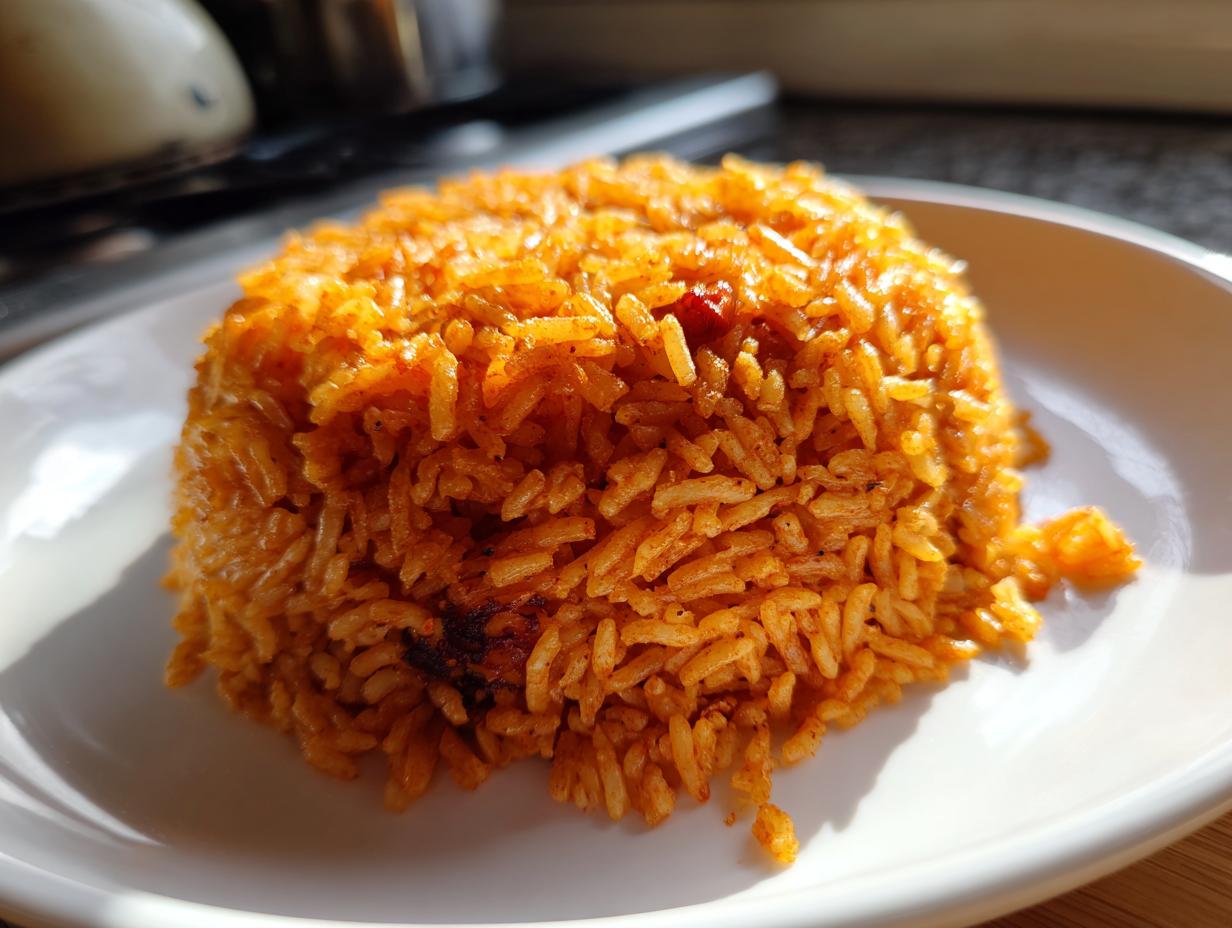

There are few dishes that carry the weight of celebration, tradition, and pure, unadulterated joy quite like Jollof Rice. When people talk about that perfect, party-ready version—the one that smells smoky and steals the show—they are talking about this recipe. I’ve spent years chasing that nostalgic, vibrant flavor profile, blending formal training with the soul of West African cuisine, just so you could bring the ultimate fragrant and flavorful rice dish home without the guesswork. This Nigerian jollof rice delivers that signature smoky depth and a fluffy texture that will make you a legend at your next gathering. It’s truly my dedication to elegant yet approachable cooking shining through!
- Why This Nigerian jollof rice Recipe is Your New Favorite Party Rice Recipe
- Essential Ingredients for Flavorful jollof rice Dishes
- How to Prepare Authentic jollof rice: A Step-by-Step Tutorial
- Tips for Success When Making jollof rice
- Storage and Reheating Instructions for Leftover jollof rice
- Serving Suggestions for Your jollof rice Meal
- Variations: Exploring Ghana jollof rice and Baked jollof Rice
- Frequently Asked Questions About jollof rice
- Share Your jollof rice Story
Why This Nigerian jollof rice Recipe is Your New Favorite Party Rice Recipe
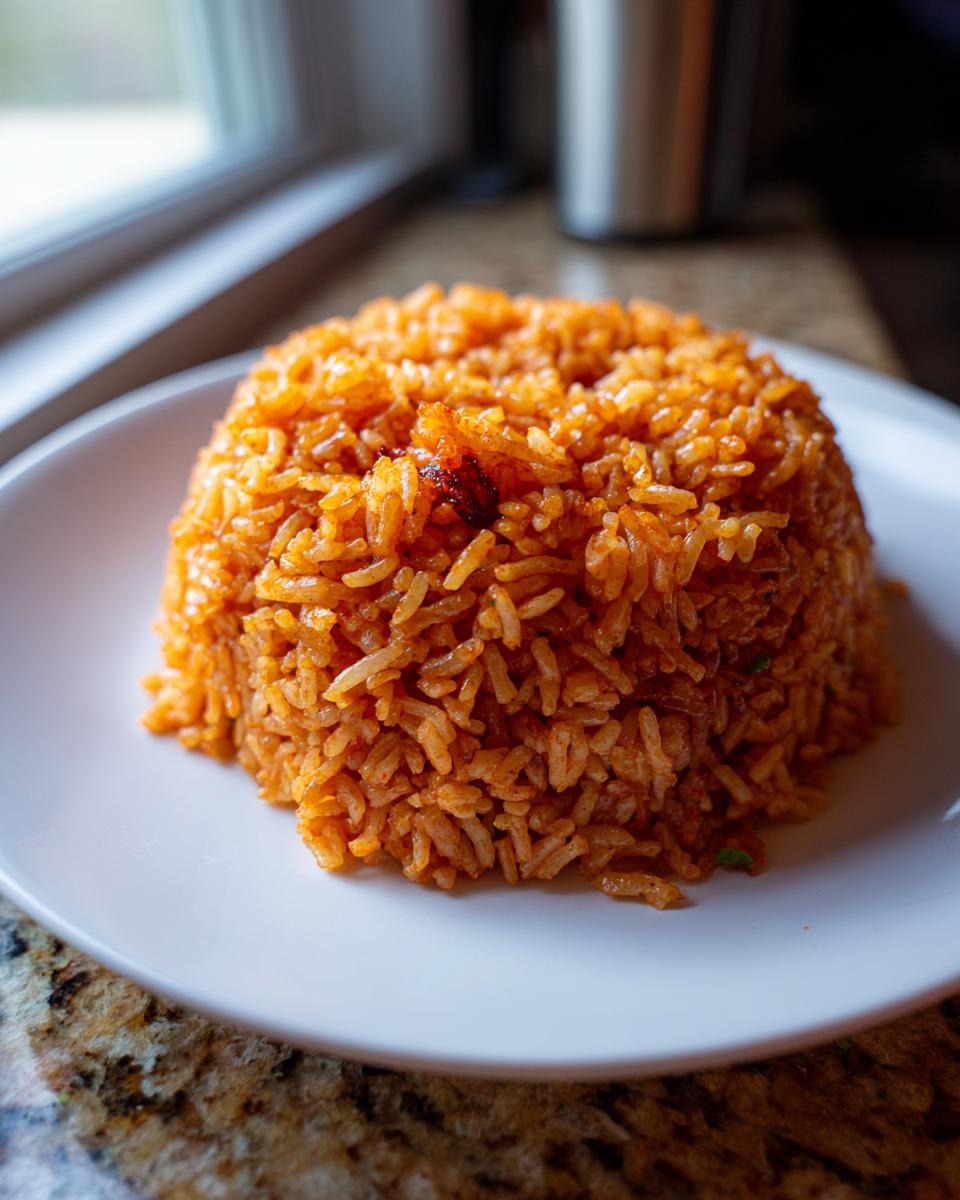
I know, I know, everyone claims to have the ‘best’ jollof rice, but seriously, trust me on this one. When I was developing this recipe, I wasn’t aiming for just good; I was aiming for that show-stopping, ‘who cooked this?’ kind of flavor that has everyone asking for the recipe before they’ve even finished their first plate. This is the crowd-pleasing centerpiece your gatherings deserve.
- The unmistakable, deep, smoky flavor that says ‘celebration’ without needing a charcoal grill.
- Perfectly fluffy grains that retain structure—no mush allowed! That’s the secret to phenomenal West African comfort food.
- It’s a straightforward one-pot method, which means less stress for you and easier cleanup after everyone’s gone home happy. Plus, if you love that hearty feel, you can check out my chicken gnocchi soup for another comfort winner later!
I remember the first time I nailed the smoke: I wasn’t trying for it, I just let the bottom of the pot sit on the lowest heat a little too long. Oops! But wow, the flavor! That slight caramelization introduced something magical, and I knew I had to bake that imperfection right into the finalized technique for this authentic Nigerian jollof rice.
Achieving Authentic Smoky jollof rice Flavor
The smoke is crucial, isn’t it? We get that signature taste in two ways here. First, I include a touch of smoked paprika right in the stew base, which is a handy shortcut for amazing flavor. But for the real deal, remember that final instruction: allowing the very bottom layer of the jollof rice to just kiss the heat for the last few minutes creates that beautiful, slightly scorched layer that you fluff through. It’s intense, but trust the process!
The Fluffy Rice Technique for Perfect jollof rice Every Time
Soggy rice ruins everything. That’s why rinsing your rice until the water runs crystal clear is non-negotiable here. After you add the washed rice to the intensely flavored boiling stock, the key is to seal that pot tight! We use the foil trick under the lid, which holds the steam in perfectly. This method ensures the rice steams beautifully, yielding fluffy jollof rice grains every single time.
Essential Ingredients for Flavorful jollof rice Dishes
When you make something as iconic as jollof rice, the quality of your components matters—a lot. This isn’t a place to toss in sad, watery tomatoes or pre-cut veggies, trust me! We are going deep on flavor right from the start, which is why the base stew is everything. Every ingredient has a job in building that signature deep red color and rich aroma that makes this dish unforgettable. It’s about treating those basics with respect!
Take a look at the list; you’ll notice I’m particular about the sizes and amounts—that’s me trying to make the technical part easy for you. Getting the pepper blend right is a huge step toward that authentic taste. You’ll want firm, ripe tomatoes and vibrant bell peppers to give us the perfect consistency when blended. And please, make sure that ginger is peeled; nobody wants rough bits of peel in their beautiful final product!
Ingredient Notes and Substitutions for jollof rice
Let’s talk rice. I list either long-grain parboiled rice or Basmati. Parboiled rice is traditionally fantastic for holding its shape, but Basmati gives that wonderful scent and fluffiness, especially when cooked right. If you want fluffy jollof rice, rinsing is your best friend, no matter which type you choose!
Now, about the heat. The Scotch bonnet peppers are where we get that beautiful fire, but if you’re new to serious spice or cooking for guests who prefer milder food, start with just one pepper, or even skip it and focus on a pinch of cayenne pepper instead. It won’t be the same deep heat, but it’s a safe start. Also, if you don’t have good chicken stock on hand—which I highly recommend since we get a lot of flavor from it—don’t stop! Just use good quality water and stir in a rich bouillon cube or vegetable stock powder for the depth this jollof rice needs. For entertaining ideas, feel free to browse my collection of appetizers to start the party right!
How to Prepare Authentic jollof rice: A Step-by-Step Tutorial
This is where the magic truly happens! Making incredible Nigerian jollof rice isn’t just about dumping ingredients in a pot; it’s about layering flavors precisely. We’re going to take this step by step so you can feel completely confident creating this vibrant classic. If you’ve ever struggled with making a rich, deep-red stew base, this section is for you. Once you master the stew, the rest of the process for this amazing main dish is smooth sailing.
Building the Flavorful jollof rice Base Stew
First things first: if you are using chicken pieces, get your stock going while you prep your vegetables! You want that rich, seasoned liquid ready to go. Once the chicken is cooked through, strain and save that precious stock. Now, for that bright pepper base you see listed, blend your fresh tomatoes, bell peppers, scotch bonnets, half the onion, garlic, and ginger until it’s silky smooth. Don’t blend it chunky; we want that smooth sauce!
Grab your largest, heaviest pot—this is key to preventing sticking later. Heat your oil over medium heat and sauté the remaining chopped onion until it’s fragrant. Next, and this is a big one, add your tomato paste. You need to cook that paste, stirring constantly, for a good five minutes until it darkens to a rusty, almost burnt-brick color. This simple step cooks out the tinny taste and deepens the entire flavor profile of your finished jollof rice. Whew, that smells good already!
Now, pour in that beautiful blended pepper mixture. Add your thyme, curry powder, bay leaves, salt, and that touch of smoked paprika. Let this simmer, uncovered, for a good 15 to 20 minutes. We want that liquid to reduce significantly so all that raw pepper water flavor cooks out. This concentrated mixture is the entire soul of your jollof rice!
Steaming the jollof rice for Fluffiness
Before we go any further, let’s handle the rice. Rinse your grain really well until the water running off is completely clear. This removes surface starch, which is what turns rice mushy and sticky—we are aiming for fluffy jollof rice, remember?
Bring your stew base back up to a vigorous boil, then pour in your reserved stock (or water). Taste the liquid now! It should taste slightly too salty and very flavorful because the rice will absorb all that seasoning. Add the rinsed rice and stir *once* to just combine everything evenly. That’s it for stirring!
Cover the pot tightly first with aluminum foil—this is non-negotiable for trapping that steam—and then secure the lid on top. Turn the heat down to the absolute lowest setting your stove allows. Let it steam, undisturbed, for about 25 to 35 minutes. Resist the urge to peek or stir! We are letting steam do the work here. If you want that authentic, sought-after smoky jollof rice flavor, carefully let the bottom sit on that low heat for the last five minutes. Once done, turn the heat off and let it rest, covered, for 10 glorious minutes before fluffing gently with a fork. Perfection!
Tips for Success When Making jollof rice
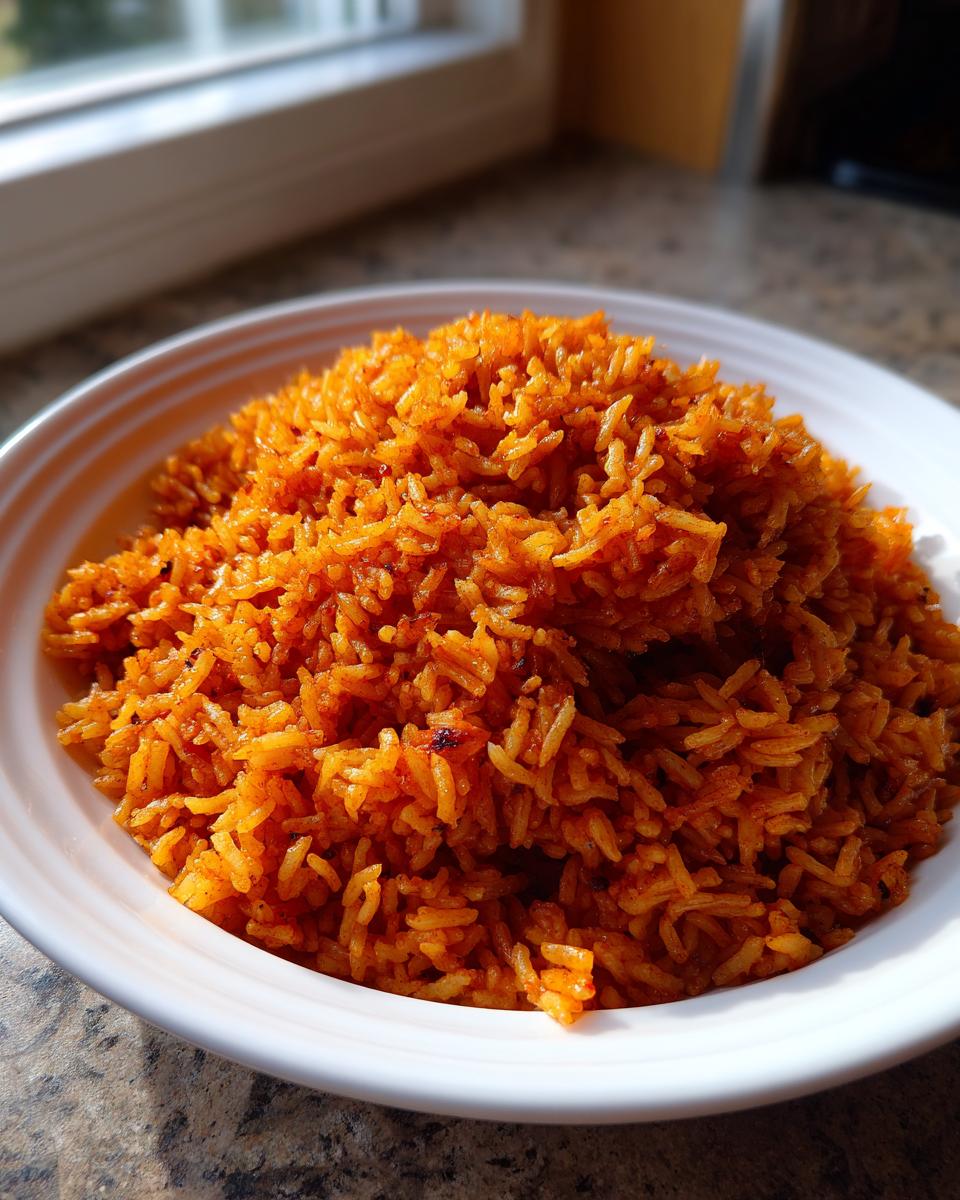
You have your base stew bubbling beautifully, you’ve rinsed your rice, and the aroma is intoxicating. Now, we move into the final, sensitive stage of making your Nigerian jollof rice shine. Mastering this stage is what separates a good pot of spiced rice from the legendary party rice everyone talks about for weeks!
My first big tip relates to your equipment. You absolutely need a heavy-bottomed pot for this. If you use a thin pot, the heat distribution will be uneven, and you’ll end up with rice that’s burnt in one spot and raw in another. A Dutch oven or a solid stockpot is your best friend here. It helps diffuse that low heat evenly, giving you the best chance for that perfect ‘bottom burn.’
Speaking of that smoky burn—it can feel scary, right? When I first started, I was terrified of ruining the whole batch by burning it! I remember one time, I was distracted by a call, and when I rushed back, the bottom was definitely scorched. I wanted to cry! But I kept my cool, added that bit of stock, foiled it up, and let it steam. When I eventually fluffed it? Wow. That subtle, deeply toasted flavor locked into the rice was incredible. It gave my jollof rice a depth I hadn’t achieved before. Now, I intentionally aim for that very slight crust on the bottom—it’s the signature of true party rice, and I even suggest pairing the remaining rice with some leftover BBQ pulled chicken the next day for an easy lunch!
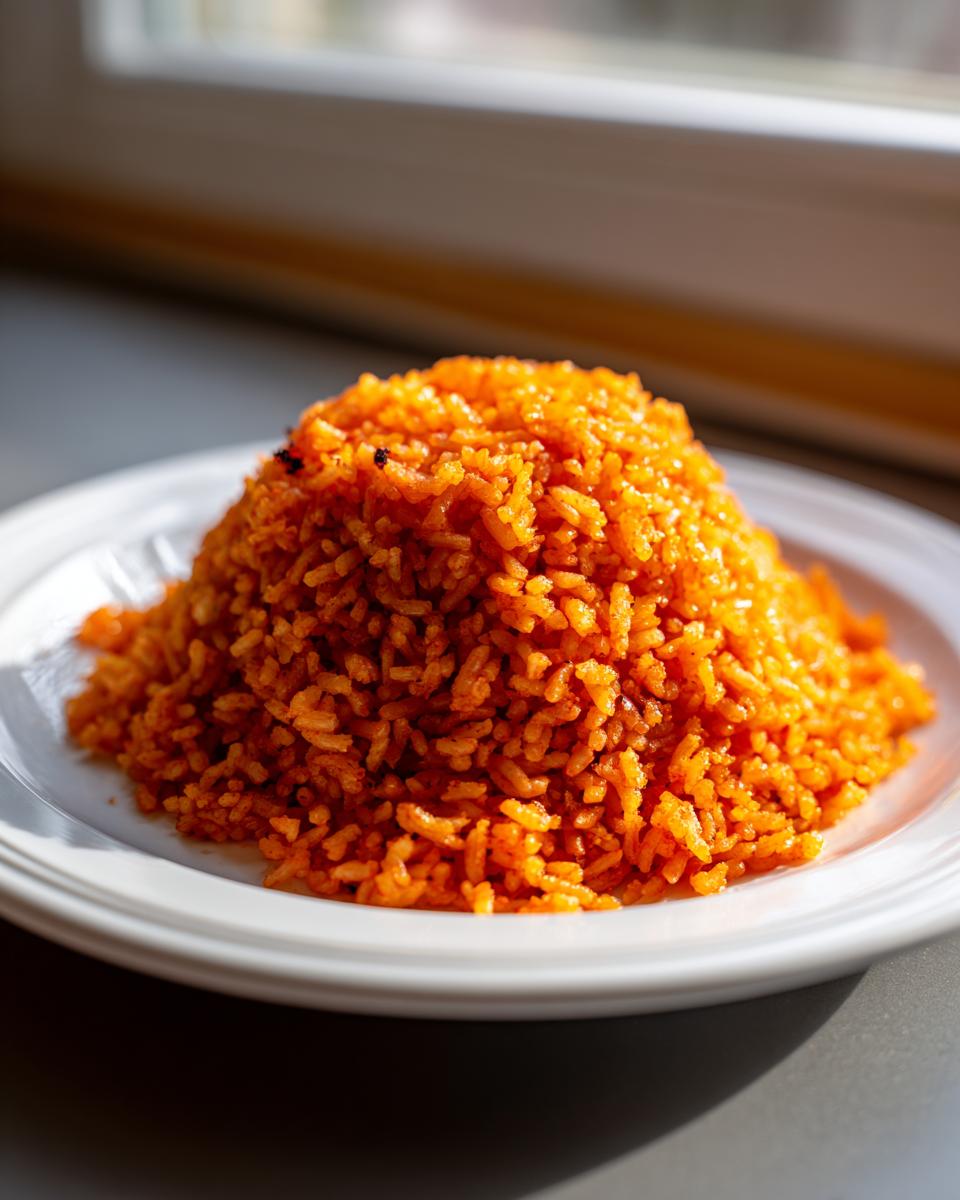
My final word of wisdom? Once that foil and lid go on, you are done intervening. The steam needs to build up undisturbed. That trapped heat cooks the top layers while the bottom layer toasts gently. Trust the steam; it’s the secret ingredient that guarantees beautiful, fluffy jollof rice every time.
Storage and Reheating Instructions for Leftover jollof rice
This delicious Nigerian jollof rice is honestly always better the next day, don’t you think? It gives all those beautiful spices extra time to settle into the grains. But because it’s so rich and moist, you have to store it correctly, or it can get a bit sad in the fridge!
For storage, make sure the rice has cooled down slightly before you put it away—never put piping hot food straight into your refrigerator. Transfer your leftover jollof rice into a shallow, airtight container. This helps it cool faster and prevents it from drying out or absorbing any weird smells from the fridge. It keeps beautifully for about three to four days, but honestly, I’ve never had any last that long!
Do I microwave or steam leftovers?
If you’re just heating up a single portion, the microwave is your quickest route. Just sprinkle a tiny splash of water over the top before heating, cover it with a damp paper towel, and heat in short bursts. That steam will bring back some of that fresh, fluffy texture.
If you have a big batch to revive, I strongly suggest going back to the beloved steaming method! Place your leftover jollof rice in a pot, add maybe two tablespoons of water or stock for every cup of rice, cover it tightly with that trusty foil and the lid, and set it on very low heat for about 10 to 15 minutes. It warms through evenly and truly tastes nearly as good as fresh. It’s a handy technique I also use when warming up my favorite slow cooker pot roast!
Serving Suggestions for Your jollof rice Meal
Okay, you’ve made the most incredible, smoky, fluffy Nigerian jollof rice. Now what? You can’t just serve this masterpiece on its own! While I adore a simple bowl of this jollof rice with chicken—grilled until the edges are slightly charred—I love balancing that richness with something crisp and cool. It really lets the complex tomato flavor sing.
For traditional gatherings, you absolutely need crispy fried plantains, or dodo, on the side. The sweetness of the plantain against the spicy tomato rice is just divine. Seriously, don’t skip the plantains!
But since we’re going for approachable elegance, I often pair my jollof rice with something that brings brightness to the plate. If you are having a large event, you need something refreshing to cut through the richness of the stew base. My recipe for creamy coleslaw works surprisingly well, as the vinegar tang and crunch contrast beautifully with the soft rice. Or, for a lighter touch, a simple fresh salad with lime vinaigrette is fantastic.
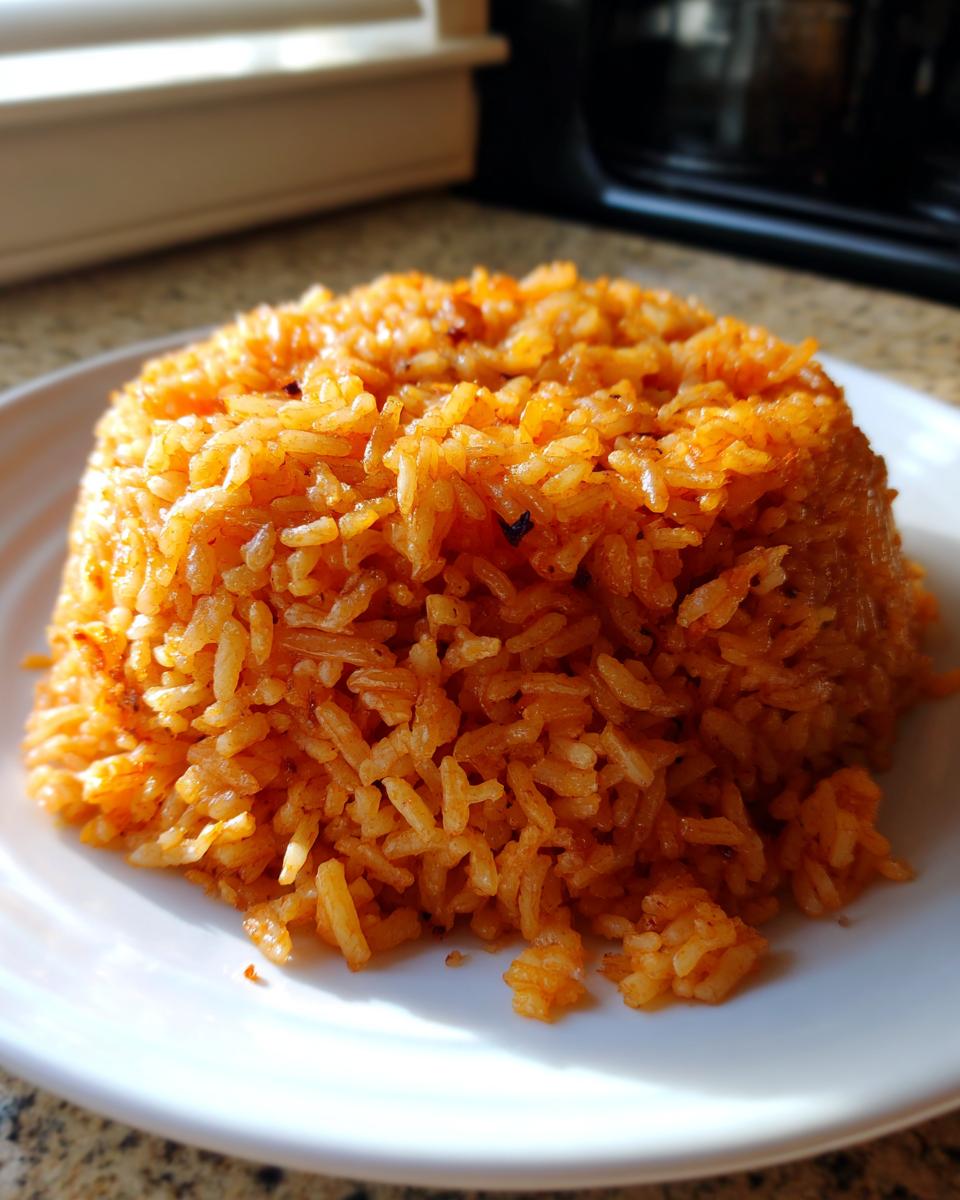
Honestly, whether you serve it with fish, grilled beef (suya style!), or just a big helping of creamy coleslaw, this jollof rice is hearty enough to stand as the main event. It’s meant to be the star!
Variations: Exploring Ghana jollof rice and Baked jollof Rice
Jollof Rice is truly a culinary superstar across West Africa, but you know how passionate people get about their regional versions! While this recipe focuses on that deep, smoky Nigerian jollof rice flavor we obsess over, it’s important to acknowledge the rest of the family. It’s all love, but the techniques do shift slightly depending on where you are.
The most famous friendly rivalry, of course, is with Ghana jollof rice. Generally speaking, Ghanaian cooks tend to use a slightly different type of long-grain rice—sometimes Jasmine—and often use a bit more liquid, which results in a dish that leans slightly softer, almost approaching a savory tomato-infused risotto texture, rather than the distinct fluffiness we achieve with our steaming method. It’s delicious, but definitely a different vibe!
If you’re looking to make this vibrant meal when you’re super busy or maybe don’t want to hover over the stovetop, the baked jollof rice variation is a game-changer. It’s such an elegant, hands-off approach. You still build that incredible tomato base, mix in the rice, and then pop the whole covered pot into the oven. It cooks evenly, and you get great texture without the constant monitoring. It’s a fantastic way to serve a big batch for a dinner party where you don’t want to be fussing over burners. You can check out my method for my classic baked dish for inspiration, which is similar to how I approach my shepherd’s pie!
No matter which version of jollof rice you decide to try—stovetop Nigerian style, softer Ghanaian style, or the easy baked method—you’re choosing one of the most beloved, soul-satisfying meals out there. Just come back to this base technique when you crave that unmistakable smoky kick!
Frequently Asked Questions About jollof rice
It’s completely normal to have questions when diving into a dish as culturally rich and complex as jollof rice! This recipe is built on tradition, but I’m here to make sure you feel confident bringing it into your home kitchen. Don’t hesitate to review these common points before you start cooking up this vibrant African cuisine main dish.
Is Basmati rice suitable for jollof rice?
Yes, absolutely! While traditional Nigerian jollof rice often uses parboiled long-grain rice because it holds up so well to absorbing all that liquid, Basmati is a fantastic substitute, especially if you are chasing that extra fluffy outcome. Basmati grains tend to separate beautifully when cooked correctly, giving you that lighter texture everybody loves. Just be vigilant about rinsing it well before it hits the stew base!
How can I make this a Quick jollof rice Method?
If you’re looking for a truly quick jollof rice method for a weeknight, we can streamline this process significantly! The longest part is usually making the stock from raw chicken, so if you skip that step, you save about 20 minutes right there. Instead of boiling chicken pieces, use high-quality, store-bought chicken stock or even a rich vegetable broth. Just make sure you compensate by adding your seasonings—thyme, curry powder, salt—directly into the stew base when you cook it down, so you don’t lose that essential depth.
How do I stop my jollof rice from becoming soggy?
Ah, the eternal struggle! Soggy rice usually happens for two reasons: too much liquid, or stirring too much while it cooks. My key trick to perfectly fluffy jollof rice is using just the right ratio of liquid to rice (which is surprisingly low once the stew is reduced), and then using that foil and lid to steam it completely on low heat. Do not open that lid for at least 25 minutes! If the rice absorbs all the liquid but still seems hard, add just a splash more hot water or stock, cover it immediately, and let it steam longer. But resist stirring!
Can I make this jollof rice vegetarian or vegan?
Of course! This is such an easy recipe to adapt. If you skip boiling chicken for stock, simply use a rich vegetable stock instead—that’s the easiest swap. All the foundational flavor comes from the pepper base (tomatoes, peppers, onions, spices), so the vegetables don’t miss a beat. For a meaty texture, you can stir in some cooked chickpeas or sautéed mushrooms when you add the rice. It remains a wonderful, vibrant vegetarian delight!
What is the secret to achieving that ‘party’ smoky flavor?
This is the part everyone truly chases! As I mentioned in the tips section, the authentic smoke really comes from allowing the rice that sits directly on the bottom of the pot to toast slightly—it should smell caramelized, not acrid. For beginners who are nervous about burning the whole pot, use the smoked paprika addition in the base stew, like I included in the recipe. It gives you an excellent smoky note without needing to hover over the heat!
Share Your jollof rice Story
Now that you have the blueprint for what I truly believe is the ultimate, party-perfect Nigerian jollof rice, I absolutely want to hear about your experience! This dish is all about connection and memory, so don’t be shy—unfold your story right here in the comments below.
Did you achieve that elusive smoky flavor? Did your rice stay perfectly fluffy? What protein did you serve alongside your vibrant dinner? Every detail you share helps build our community of passionate home cooks, and I cherish reading about your triumphs. Please rate this recipe and tell me what you think!
If you made this and shared a picture on Instagram or elsewhere, please tag me! Seeing my recipes transformed by your creativity and brought into your unique family celebrations is honestly the greatest joy of running Unfold Recipes. Tag me so I can share your beautiful, aromatic creation!
PrintAuthentic Nigerian Jollof Rice: The Smoky Party Classic

Create the iconic, deeply flavorful Nigerian Jollof Rice. This one-pot recipe focuses on achieving the signature smoky taste and fluffy texture that makes this West African dish a celebrated party essential.
- Prep Time: 20 min
- Cook Time: 55 min
- Total Time: 75 min
- Yield: 6 servings 1x
- Category: Main Dish
- Method: Stovetop Steaming
- Cuisine: West African
- Diet: Vegetarian
Ingredients
- 2 cups long-grain parboiled rice or Basmati rice
- 1.2 kg chicken pieces (optional, for stock/serving)
- 4 large ripe tomatoes
- 2 red bell peppers
- 1–2 Scotch bonnet or Habanero peppers (adjust heat)
- 2 large onions, divided
- 4 cloves garlic
- 1 inch ginger, peeled
- 1/3 cup tomato paste
- 1/2 cup vegetable oil
- 4 cups rich chicken or vegetable stock (or water)
- 2 teaspoons dried thyme
- 2 bay leaves
- 1 teaspoon curry powder
- Salt to taste
- 1 teaspoon smoked paprika (for enhanced smoky flavor)
Instructions
- Prepare the chicken stock if using whole chicken pieces. Season chicken with salt, pepper, and half of the onion, then boil until tender. Reserve the stock and set the cooked chicken aside (you can fry or grill it later).
- Prepare the pepper base: Blend the tomatoes, red bell peppers, scotch bonnets, half of the onion, garlic, and ginger until smooth.
- In a large, heavy-bottomed pot, heat the vegetable oil over medium heat. Add the remaining half onion (chopped) and sauté until fragrant.
- Stir in the tomato paste and cook for 5 minutes, stirring constantly until it darkens slightly. This deepens the tomato flavor.
- Pour the blended pepper mixture into the pot. Add thyme, curry powder, bay leaves, salt, and smoked paprika. Bring to a simmer and cook uncovered for 15-20 minutes, allowing the sauce to reduce and the raw pepper taste to cook out. This is your Jollof stew base.
- Rinse the rice thoroughly under cold water until the water runs clear. This removes excess starch and helps prevent sogginess.
- Pour the reserved stock (or water) into the stew base. Bring the liquid to a rolling boil. Taste and adjust seasoning now; the liquid should taste slightly saltier than you prefer.
- Add the rinsed rice to the boiling liquid. Stir once to combine everything evenly.
- Cover the pot tightly with foil, then place the lid on top. Reduce the heat to the lowest setting. The foil traps the steam needed to cook the rice perfectly.
- Allow the rice to steam undisturbed for 25-35 minutes. Do not stir during this time.
- To achieve a slight smoky flavor, you can carefully allow the bottom layer to scorch slightly for the last 5 minutes on low heat (monitor closely).
- Turn off the heat and let the rice rest, covered, for another 10 minutes off the heat.
- Remove the foil and bay leaves. Gently fluff the Jollof rice with a fork, mixing the slightly scorched bottom layer throughout for that authentic smoky taste. Serve hot with your preferred protein.
Notes
- For the best fluffy texture, use long-grain parboiled rice or Basmati rice. Avoid using regular long-grain white rice, as it can become mushy.
- If you are not using chicken stock, add a bouillon cube or seasoning blend to the water for depth of flavor.
- To maximize the smoky flavor without burning the entire pot, some cooks add a small piece of charcoal to the pot during the steaming phase, removing it before serving.
Nutrition
- Serving Size: 1 cup cooked
- Calories: 450
- Sugar: 5
- Sodium: 550
- Fat: 15
- Saturated Fat: 3
- Unsaturated Fat: 12
- Trans Fat: 0
- Carbohydrates: 70
- Fiber: 4
- Protein: 12
- Cholesterol: 10