
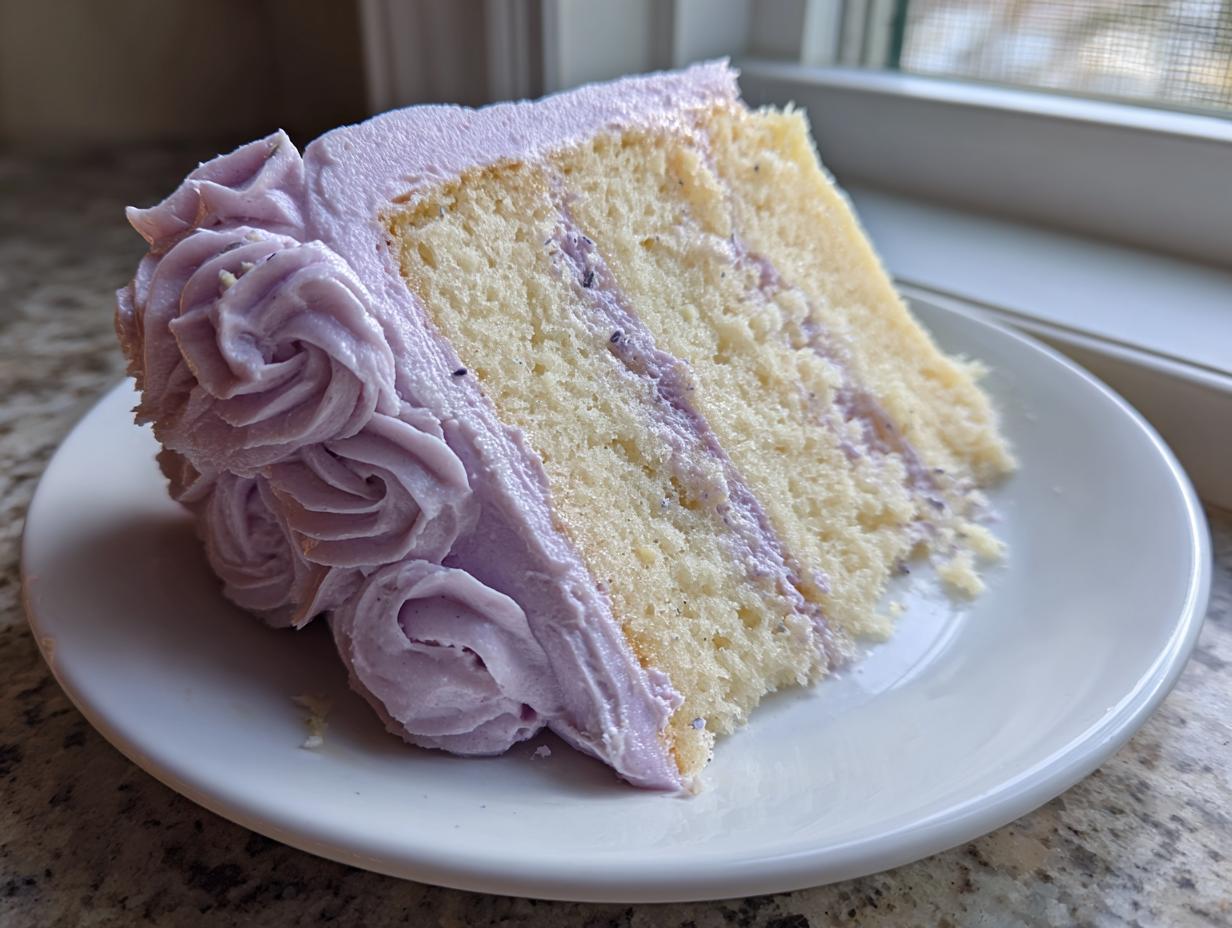

There is something truly magical that happens when baking moves beyond simple sustenance and becomes an act of elegant, edible artistry. I often think back to my childhood, watching my mother combine vibrant California produce with my father’s rich Spanish ingredients; food was always our language of celebration. Creating a beautiful centerpiece for a gathering is perhaps the greatest joy in the kitchen, and nothing whispers ‘special occasion’ quite like a delicate, aromatic dessert.
That is exactly why I adore this recipe for the quintessential lavender cake. It embodies everything I aim for here at Unfold Recipes: approachable elegance. The final result looks stunning and tastes incredibly refined, yet trust me, the steps are straightforward. We are going to infuse the gentle, calming scent of lavender into a supremely moist vanilla sponge, creating a complex flavor profile that feels both cozy and sophisticated all at once.
- Why This Classic Lavender Cake Recipe is Your New Favorite
- Essential Ingredients for Your Aromatic Lavender Cake
- Step-by-Step Instructions for the Best Lavender Cake Recipe
- Tips for Success When Baking Your Lavender Cake
- Variations on the Classic Lavender Cake
- How to Store and Reheat Your Lavender Cake
- Serving Suggestions for Your Unique Layer Cake Recipes
- Frequently Asked Questions About Baking a Lavender Cake
- Share Your Experience Making This Lavender Cake
Why This Classic Lavender Cake Recipe is Your New Favorite
When I bring this cake out, people always stop and stare—it’s one of those truly visually stunning desserts that feels like it belongs on a magazine cover. But don’t let the elegant appearance fool you; it’s designed perfectly for us home bakers! It delivers incredible moisture every single time, which is crucial for a delicious experience.
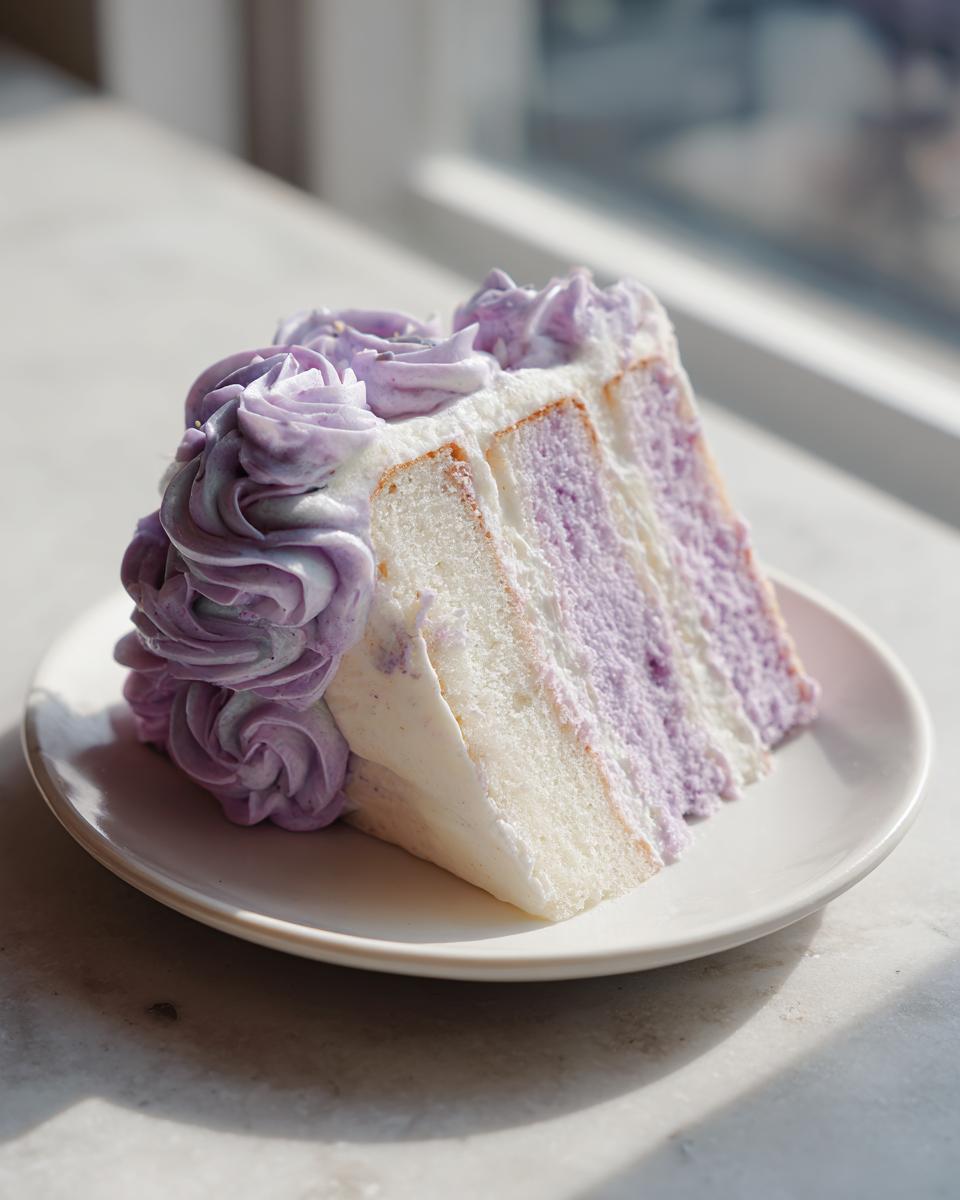
- It’s an unmatched aromatic cake idea for spring and summer events.
- The structure is sturdy enough to stack beautifully into layers.
- The complex flavor profile means it always feels special, like an elegant birthday cake.
Achieving the Perfect Lavender and Vanilla Cake Balance
This is where we nail the flavor! The secret to a successful lavender and vanilla cake is restraint. Lavender is bold, and if you use too much, it tastes soapy, right? That’s why we use high-quality culinary lavender, making sure to grind it finely so it integrates seamlessly. The vanilla acts as a perfect, warm anchor, lifting the floral notes just enough so they sing beautifully without shouting over everything else. It’s a delicate dance, and this recipe has the choreography down pat.
Essential Ingredients for Your Aromatic Lavender Cake
When we talk about creating something truly sophisticated, the quality of what goes into the bowl makes all the difference. For this floral-infused bake, you absolutely must start with the right materials. I insist on culinary-grade dried lavender—the stuff they sell for cooking or tea, not the fragrant kind you put in sachets! Using good ingredients is the key to getting that complex, beautiful aroma without anything tasting off.
Ingredients for the Moist Floral Cake Layers
The success of these layers relies heavily on temperature. Make sure your butter and eggs are truly at cool room temperature; this incorporates air better and guarantees that tender crumb we are aiming for.
- 1 3/4 cups all-purpose flour
- 1 1/2 cups granulated sugar
- 1 tablespoon baking powder
- 1/2 teaspoon salt
- 1/2 cup unsalted butter, softened
- 2 large eggs
- 1 cup whole milk
- 1 teaspoon vanilla extract
- 1 tablespoon dried culinary lavender, finely ground (we need it pulverized!)
- 1/4 cup heavy cream, warmed
- 1 tablespoon dried culinary lavender buds (for infusing cream)
Ingredients for the Homemade Lavender Frosting
This frosting is luxurious and silky, but you need to measure your powdered sugar precisely after sifting it. If you have lavender extract, use it! If not, we can use more ground buds, but go gently!
- 1 cup unsalted butter, softened
- 4 cups powdered sugar, sifted
- 1 teaspoon vanilla extract
- 1/2 teaspoon lavender extract (my preference!) or 1 tablespoon finely ground lavender
- 2-4 tablespoons heavy cream
- Pinch of salt
Step-by-Step Instructions for the Best Lavender Cake Recipe
Now for the fun part—bringing this beautiful lavender cake to life! Remember what I always preach: take your time during the mixing stages. We aren’t RUSHING the flavor development here; we are coaxing it out gently. This layered beauty is built carefully, ensuring we get that incredible moist texture throughout every single bite.
Mixing the Lavender Cake Batter
First things first, get that oven humming at 350°F (175°C) and prep those two 8-inch pans—grease and flour them well so they don’t stick later! Whisk your dry items (flour, baking powder, salt) separately. In your big bowl, cream the butter and sugar until they look pale and happy, then beat in the eggs one by one. Now, here’s the fragrant step: warm up that small amount of cream and let your lavender buds steep in it for about ten minutes. This extracts maximum flavor! Add your dry mix alternately with the strained lavender-infused milk, mixing only until *just* everything comes together. Seriously, stop mixing as soon as you see no more flour streaks!
Baking and Cooling the Lavender Cake Layers
Divide that gorgeous batter evenly between your prepped pans. Bake them for about 28 to 32 minutes. You know the drill: insert a toothpick into the center; if it comes out clean, they are done. Let them rest in the pans for only 10 minutes—any longer and they might stick tight! After that brief rest, flip them out onto a wire rack. They MUST be completely cool before we even think about touching them with frosting, or you’ll have a lavender soup disaster!
Preparing the Silky Lavender Buttercream
While your cake cools, we whip up the frosting! Beat that softened butter until it’s smooth and airy. Then, slowly introduce that sifted powdered sugar so it doesn’t fly everywhere! Next up are the flavorings—vanilla and your chosen lavender (extract or ground). Beat it until it’s light, then drizzle in the heavy cream one tablespoon at a time until it reaches that perfect, dreamy, spreadable state. You want it smooth enough to glide but firm enough to hold its shape.
Assembling Your Elegant Lavender Cake
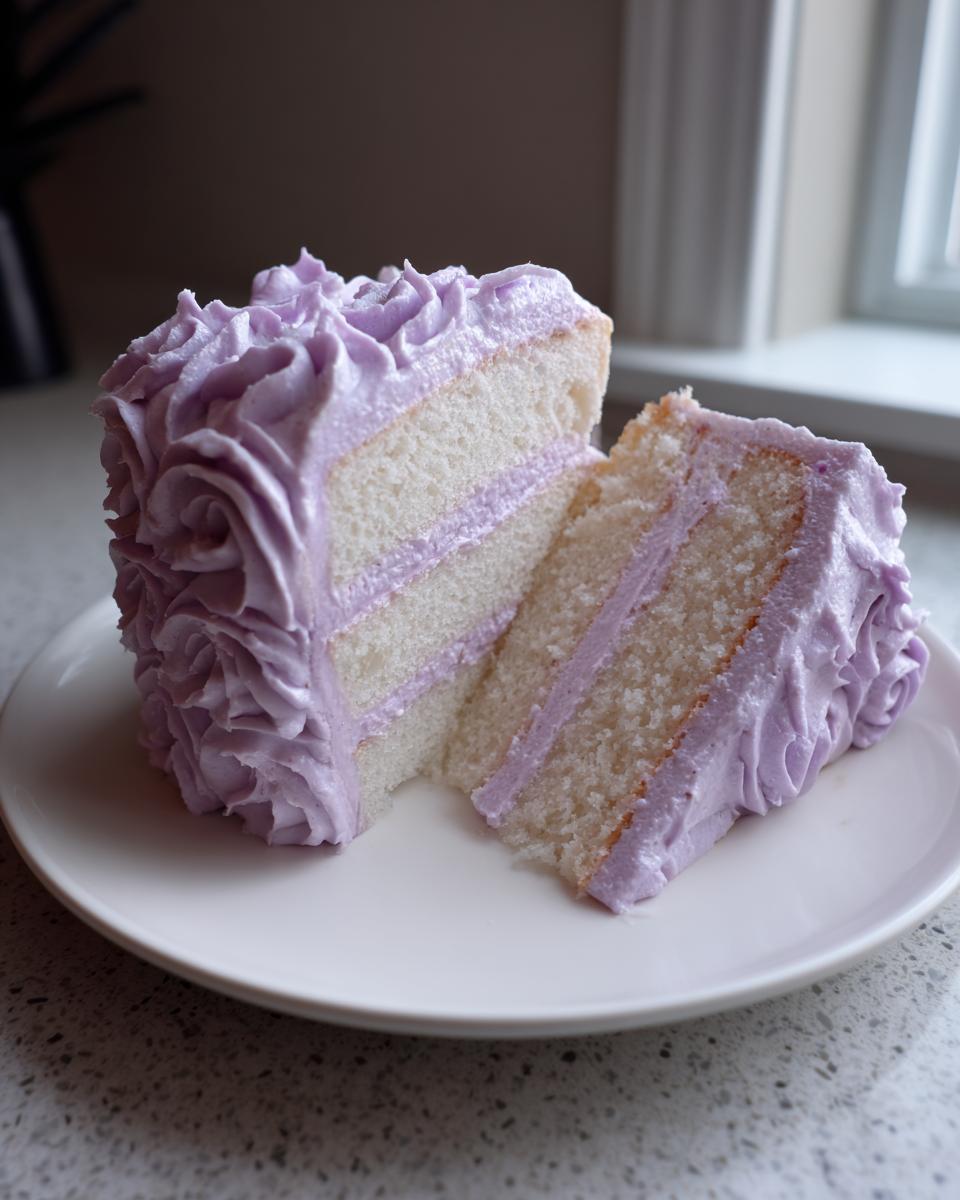
If your layers are perfectly level, great! If not, don’t sweat it; we’ll hide any bumps with that stunning frosting. Place your first layer down, spread a generous layer of that lavender buttercream—use about a third of it. Top it with the second layer. Now, gently frost the top and the sides of your entire cake. If you want that next-level presentation, take a few whole dried lavender buds and press them lightly onto the sides. It’s just a little touch that makes this whole lavender cake look professional!
Tips for Success When Baking Your Lavender Cake
Achieving truly sophisticated cake baking results with floral notes comes down to managing the intensity of the lavender. Don’t skip the steeping process for the cream! If you want a deeper floral flavor in your sponge, try warming that extra 1/4 cup of heavy cream and letting a tablespoon of dried buds steep in it for a good fifteen minutes before you strain it out. This infuses the flavor gently without making the batter too wet or aggressive.
Also, for presentation, remember that little visual cue from the recipe notes. A few whole dried lavender buds pressed lightly onto the finished buttercream are the key to making this lavender cake look like it came straight from a high-end patisserie. They catch the light beautifully and warn guests just what lovely flavor they are about to experience. It’s about those small finishing touches that elevate everything!
Variations on the Classic Lavender Cake
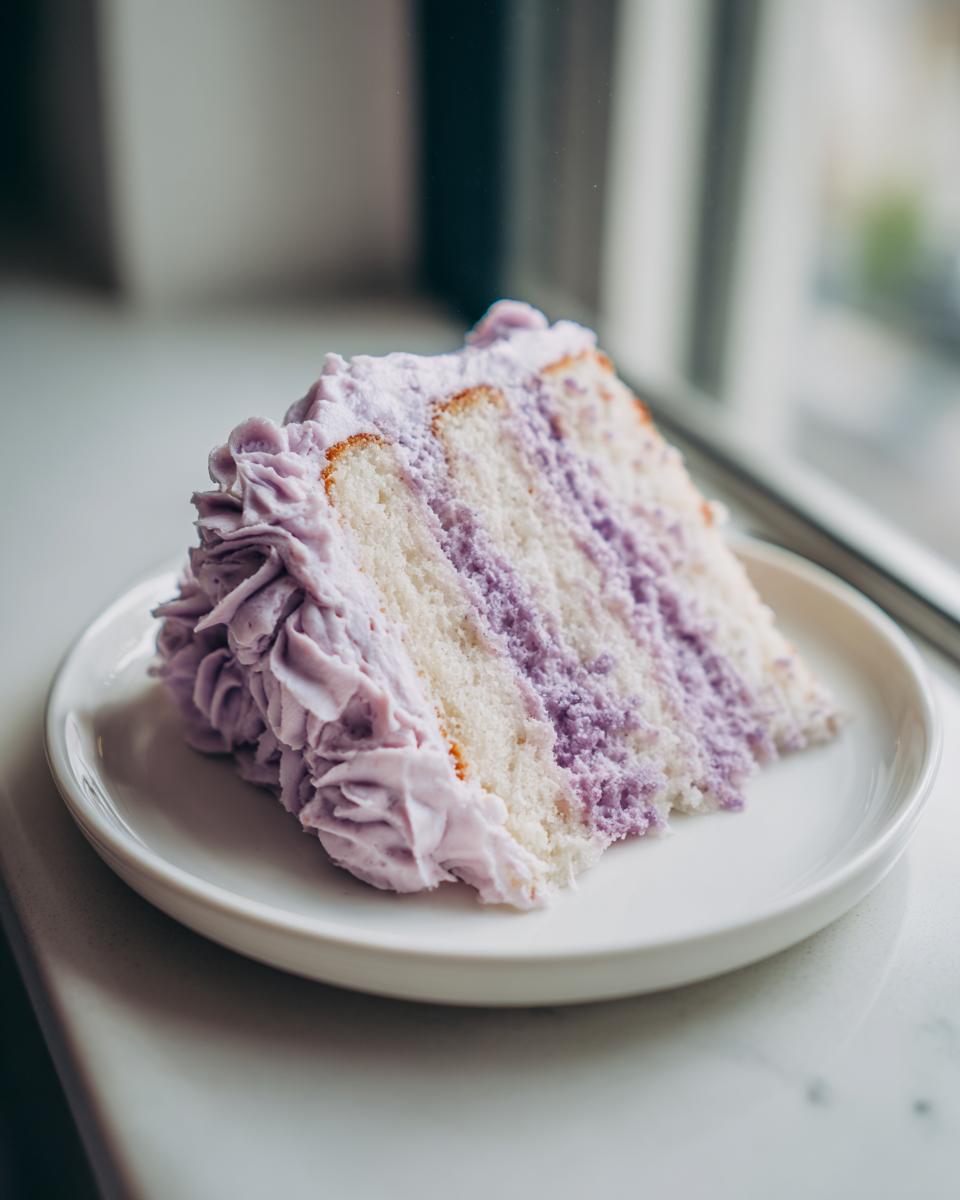
While I adore this classic lavender cake companion with vanilla, this aromatic base is just begging for other pairings! If you want to lean into bright, sunny flavors, you absolutely must try the lemon lavender cake tutorial I’ve mentioned in my notes. Swapping in fresh lemon zest and using a simple lemon glaze instead of heavy buttercream makes it incredibly refreshing—perfect for a garden party!
Or, if you’re looking for something richer and slightly autumnal, consider making a honey lavender dessert version. Swapping the granulated sugar in the batter for honey gives it a deeper sweetness the floral notes just adore. It’s all about making this template your own and having fun experimenting with these long-tail flavor combinations!
How to Store and Reheat Your Lavender Cake
Keeping a beautiful cake fresh is almost as important as baking it well! Since this gorgeous layer cake has a rich, dairy-based buttercream, we need to manage storage temperatures carefully to maintain texture and food safety. You want that frosting to stay firm but not turn rock-hard, right?
For short-term storage—say, if you are serving it over a couple of days—you can keep this cake at cool room temperature for one day. Just make sure it’s covered loosely with a cake dome or lightly tented with foil. The room temperature lets the vanilla and lavender flavors really shine, and it keeps the cake layers wonderfully soft. Make sure your kitchen isn’t too warm, though; we don’t want things getting soupy!
If you need to store it longer than 24 hours, refrigeration is the way to go. Place it in the fridge, covered tightly. When you pull it out to serve, always give it at least an hour or two to come back to room temperature. Think of it this way: serving a cold cake mutes all those delicate floral and vanilla notes we worked so hard to layer in. Letting it warm up restores that perfect, silky texture to the buttercream and softens the crumb again beautifully.
I have never bothered reheating slices, honestly, because this cake is so moist that it holds up really well! But if you absolutely needed to revive a slice—maybe it sat out a little long—a very quick 5 to 10 seconds in the microwave might bring back some of the moisture, but proceed with extreme caution. Usually, letting it sit on the counter for an hour is all the ‘reheating’ it needs!
Serving Suggestions for Your Unique Layer Cake Recipes
Now that you’ve poured your heart and soul into baking this elegant cake, you deserve to serve it in a way that truly honors the effort! Because this particular bake is so wonderfully aromatic and floral, it pairs best with accompaniments that are light, bright, or wonderfully soothing. This isn’t a cake that needs heavy sauces; it shines elegantly on its own.
If you are serving this during our warmer months—it’s one of my favorite summer dessert ideas—keep the sides light. Think about garnishing the platter, not drowning the cake itself. A scattering of perfectly ripe raspberries or sliced fresh strawberries brings a lovely tartness that cuts through the sweetness of the vanilla and buttercream wonderfully.
Another classic way to present this kind of sophisticated dessert is with a simple side of lightly sweetened whipped cream—maybe even whipped cream infused with a touch of lemon zest. This adds richness without competing with the main flavor profile. It’s beautiful on a plate!
The Perfect Tea Pairings
Whenever I make something this delicate, I immediately think of an elevated afternoon tea setting. The natural companion here is, of course, tea! If you are serving this for a springtime gathering or on a warm afternoon, skip the heavy coffee and opt for something clean and herbal.
- A classic English Breakfast tea is robust enough to stand up to the sweetness.
- For something lighter, try a delicate white tea or jasmine tea.
- If you want to lean into the floral theme, chamomile or a mild Earl Grey works magic alongside this cake!
If you enjoy a cocktail with your dessert, select something equally bright. A crisp glass of Prosecco or even a light, slightly fruity Rosé can elevate the whole experience. The bubbles and acidity are just the little lift your palate needs after enjoying such a richly flavored slice!
Frequently Asked Questions About Baking a Lavender Cake
I know sometimes the idea of baking with floral notes can feel intimidating, but I promise you, once you master this lavender cake, you’ll be eager to try more lavender dessert recipes! Here are a few things readers often ask me when they start working with these ingredients.
Can I use fresh lavender instead of dried in this lavender cake?
You certainly can, but you have to adjust the quantity quite a bit! Fresh lavender is potent, and it also holds more water content. If substituting, use about three times the amount of fresh buds than dried buds called for in the recipe, and you should still strain them out after infusing your cream or milk. Fresh herbs can sometimes deepen the flavor too much if left in the batter!
What is the best way to get a strong floral flavor without tasting soapy?
Ah, the soapy question! This is the crucial point when learning how to bake with culinary lavender. The bitterness comes from the stems and using non-culinary varieties. Always check your packaging to ensure it’s safe for consumption. For the best, pure flavor, stick to infusion—like in Step 2 of the instructions where we steep the buds in warm cream. This allows the essential oils to release without depositing any bitter parts directly into your delicate cake batter.

Do you have another burning question about this beautiful lavender cake? Drop it in the comments below, and I’ll be sure to answer!
Share Your Experience Making This Lavender Cake
Honestly, my favorite part of sharing these recipes isn’t just showing you *how* to bake something beautiful; it’s seeing what you create when you bring that story into your own home. I hope this Classic Lavender Cake brought a moment of calm and elegance to your kitchen, whether you served it at a large party or just enjoyed a slice with your afternoon tea.
I’d be thrilled if you’d take a moment to leave a star rating right down below—it helps other bakers feel confident about trying this sophisticated technique! And if you snapped a photo of your gorgeous finished cake, please tag me on social media! I love seeing how everyone interprets the decoration, whether you went for fresh berries or kept it simple with that dusting of sugar.
Did you try one of the variations, like boosting the lemon or trying the Earl Grey infusion? If you ran into any snags or have a question I didn’t cover in the FAQ, please drop it in the comments section. Connecting with you all is the reason I left the corporate world for the kitchen! Happy baking, everyone.
PrintClassic Lavender Vanilla Layer Cake with Lavender Buttercream

Create an elegant and aromatic layer cake that balances the delicate floral notes of culinary lavender with classic vanilla. This recipe yields a moist sponge and a silky lavender buttercream, perfect for sophisticated gatherings or afternoon tea.
- Prep Time: 25 min
- Cook Time: 30 min
- Total Time: 55 min
- Yield: 10 servings 1x
- Category: Dessert
- Method: Baking
- Cuisine: American
- Diet: Vegetarian
Ingredients
- 1 3/4 cups all-purpose flour
- 1 1/2 cups granulated sugar
- 1 tablespoon baking powder
- 1/2 teaspoon salt
- 1/2 cup unsalted butter, softened
- 2 large eggs
- 1 cup whole milk
- 1 teaspoon vanilla extract
- 1 tablespoon dried culinary lavender, finely ground
- 1/4 cup heavy cream, warmed
- 1 tablespoon dried culinary lavender buds (for infusing cream)
- For the Buttercream: 1 cup unsalted butter, softened
- 4 cups powdered sugar, sifted
- 1 teaspoon vanilla extract
- 1/2 teaspoon lavender extract (or 1 tablespoon finely ground lavender)
- 2–4 tablespoons heavy cream
- Pinch of salt
Instructions
- Preheat your oven to 350°F (175°C). Grease and flour two 8-inch round cake pans.
- In a medium bowl, whisk together the flour, baking powder, and salt. Set aside.
- In a large bowl, cream the softened butter and granulated sugar together until light and fluffy. Beat in the eggs one at a time, mixing well after each addition. Stir in the vanilla extract.
- In a small bowl, combine the 1 cup of milk with 1 tablespoon of finely ground lavender. Let this mixture steep for 10 minutes, then strain out the lavender buds if you prefer a smoother cake, or leave them in for stronger flavor.
- Alternate adding the dry ingredients and the lavender-infused milk to the butter mixture, beginning and ending with the dry ingredients. Mix until just combined. Do not overmix.
- Divide the batter evenly between the prepared pans. Bake for 28 to 32 minutes, or until a toothpick inserted into the center comes out clean.
- Let the cakes cool in the pans for 10 minutes before inverting them onto a wire rack to cool completely.
- Prepare the buttercream: Beat the softened butter until smooth. Gradually add the sifted powdered sugar, mixing on low speed until incorporated. Add the vanilla extract, lavender extract (or ground lavender), and salt. Beat on medium speed until fluffy. Add heavy cream one tablespoon at a time until you reach a smooth, spreadable consistency.
- Once the cakes are completely cool, place one layer on a serving plate. Spread about one-third of the buttercream over the top. Place the second layer on top and frost the top and sides of the entire cake.
Notes
- To intensify the lavender flavor in the cake layers, warm the 1/4 cup of heavy cream and steep 1 tablespoon of lavender buds in it for 15 minutes before adding it to the batter. Strain before using.
- For a visually stunning finish, press a few whole dried lavender buds lightly onto the sides or top of the finished buttercream.
- If you prefer a lemon lavender cake, substitute 1 tablespoon of fresh lemon zest into the cake batter and use a lemon glaze instead of full buttercream.
Nutrition
- Serving Size: 1 slice
- Calories: 450
- Sugar: 45g
- Sodium: 180mg
- Fat: 25g
- Saturated Fat: 15g
- Unsaturated Fat: 10g
- Trans Fat: 0.5g
- Carbohydrates: 55g
- Fiber: 1g
- Protein: 4g
- Cholesterol: 80mg